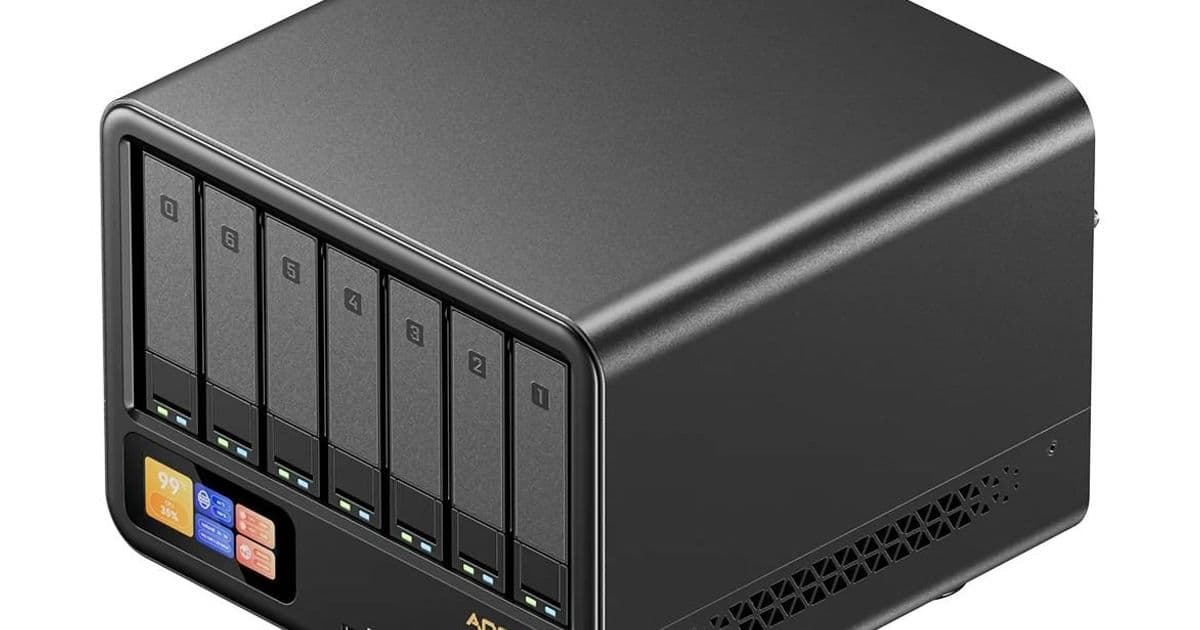
AOOSTAR’s new WTR MAX model swaps the original Ryzen 7 PRO 8845HS for an Intel Core i5‑1235U, dropping the price to $559. The change brings a modest CPU, removes ECC memory support, and limits GPU/NPU capabilities, but retains the device’s rich I/O, up to 128 GB DDR5, and six‑bay storage capacity, making it a viable budget option for home‑server enthusiasts.
AOOSTAR Introduces a Lower‑Cost WTR MAX NAS Powered by Intel’s Alder Lake‑U
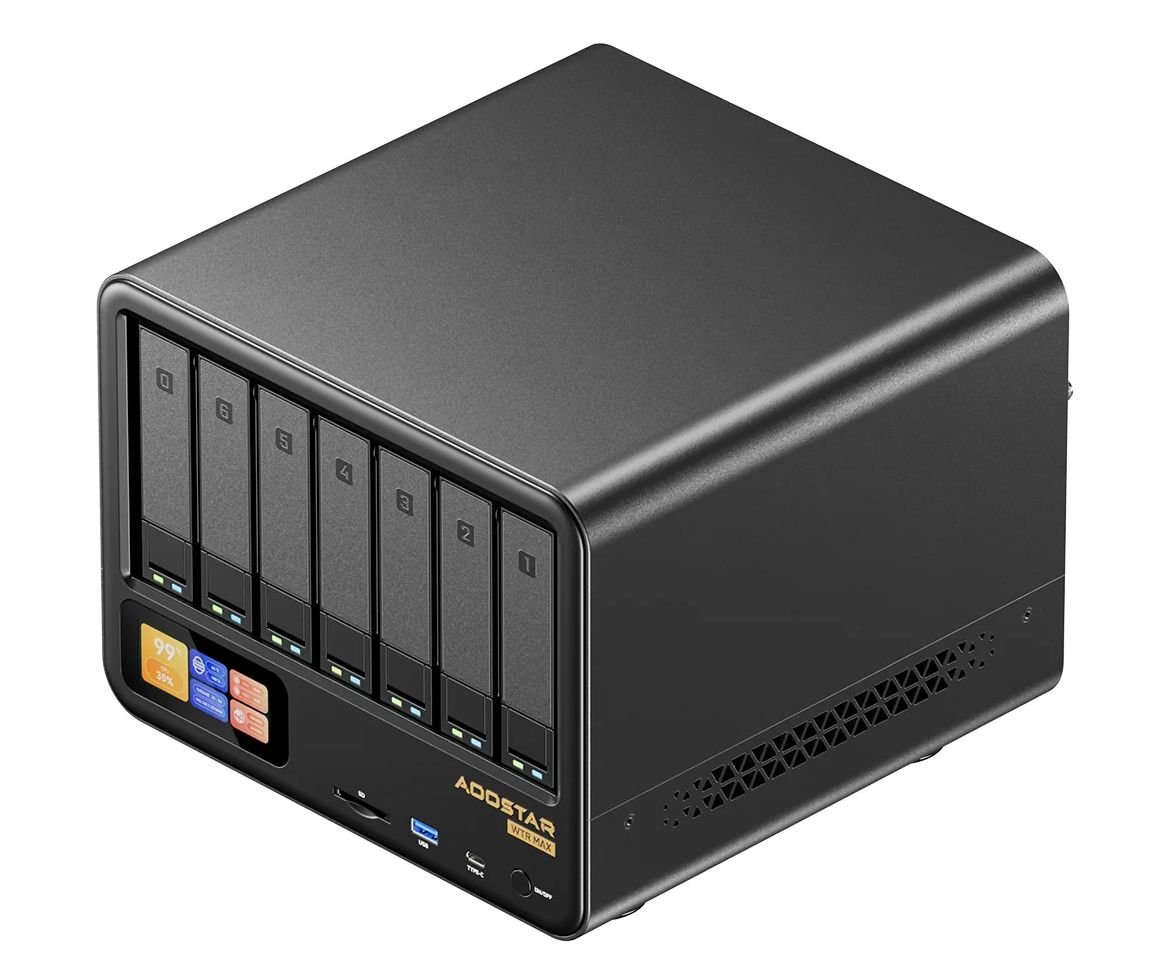
AOOSTAR’s flagship WTR MAX NAS arrived last year with a high‑end AMD Ryzen 7 PRO 8845HS and a $699 price tag. Today the company rolls out a second SKU that replaces the Ryzen chip with an Intel Core i5‑1235U and cuts the MSRP to $559. The new model targets users who need massive storage and fast networking but can live without a desktop‑class CPU or ECC memory.
What’s New in the Intel Variant?
| Feature | AMD‑Powered WTR MAX (2023) | Intel‑Powered WTR MAX (2024) |
|---|---|---|
| CPU | Ryzen 7 PRO 8845HS – 8 Zen 4 cores / 16 threads, 3.8‑5.1 GHz | Core i5‑1235U – 2 Performance + 8 Efficiency cores, 12 threads, up to 4.4 GHz |
| GPU | Radeon 780M (12 RDNA 3 cores) | Intel Iris Xe (80 EU) |
| NPU | Up to 16 TOPS | None |
| TDP | 35‑54 W | 15‑55 W |
| RAM | 2 × SODIMM, up to 128 GB DDR5‑5600, ECC supported | 2 × SODIMM, up to 96 GB DDR5‑4800, non‑ECC |
| PCIe Slots | 3 × PCIe 4.0 ×2, 2 × PCIe 4.0 ×1 | 3 × PCIe 3.0 ×2, 2 × PCIe 3.0 ×1 |
| Networking | 2 × 10 GbE, 2 × 2.5 GbE | Same |
| Ports | OCuLink, USB4, 2 × USB 3.2 Gen 2, 1 × USB 3.2 Gen 1, HDMI 2.1, DP 1.4, audio combo, micro‑SD | Same |
| Price (May 25 2026) | $659 (AMD) | $559 (Intel) |
The chassis, cooling system (four fans plus a vapor‑chamber heat sink), and LCD status panel remain unchanged. The unit still measures 249 × 245 × 195 mm and offers six 3.5‑inch SATA bays plus five M.2 2280 slots for SSDs.
How the Change Affects Your Use Cases
Home Media & File Server
For a typical Plex or Jellyfin server that streams 4K video to a handful of clients, the i5‑1235U provides more than enough headroom. The bottleneck will almost always be the network or the storage media, not the CPU. The lack of ECC memory is a trade‑off you’ll notice only under heavy write‑intensive workloads (e.g., RAID‑Z or heavy virtualization).
Small‑Scale Virtualization
If you plan to run a few lightweight VMs (Docker containers, Home Assistant, Pi‑hole, etc.), the Intel chip’s 12 threads are sufficient. However, the absence of ECC and the downgrade from PCIe 4.0 to PCIe 3.0 on the M.2 slots reduces the ceiling for NVMe SSD performance. Expect roughly 2‑3 GB/s sequential reads on the best Gen 3 drives, compared with 5‑6 GB/s on the AMD version.
GPU‑Accelerated Tasks
The Radeon 780M on the AMD model can handle modest GPU‑offloaded transcoding or AI inference via its NPU. The Iris Xe on the Intel model is far less capable in those areas. If you need hardware‑accelerated video encoding (e.g., for a home surveillance hub), the AMD variant remains the better choice.
Migration Path for Existing WTR MAX Owners
- Backup Data – Use the built‑in LCD or a network share to copy all data to an external drive or another NAS.
- Swap the Motherboard – The Intel and AMD boards are not interchangeable; you’ll need to purchase the new Intel‑based chassis if you want to upgrade.
- Re‑install OS – AOOSTAR ships with a custom Linux distribution based on Ubuntu LTS. A fresh install ensures the correct kernel modules for the Intel platform (e.g., i226V for 2.5 GbE, ixgbe for 10 GbE).
- Configure Memory – Install DDR5‑4800 modules; avoid ECC sticks as the Intel board does not recognize them.
- Restore Data – Re‑attach your storage pools and verify integrity via the AOOSTAR web UI.
For developers building apps that run on the NAS (Docker containers, custom scripts, or Home‑Assistant add‑ons), the migration is largely transparent. The only API change worth noting is the removal of the /sys/devices/system/edac path, which previously exposed ECC error counters.
Bottom Line
The new Intel‑based WTR MAX gives budget‑conscious users a solid, feature‑rich NAS at $100 less than the AMD model. It sacrifices ECC memory, PCIe 4.0 bandwidth, and dedicated NPU/GPU horsepower, but those compromises are acceptable for most home‑server scenarios. If you need raw compute, GPU transcoding, or error‑correcting memory, stick with the original Ryzen version. Otherwise, the Intel‑U variant offers a compelling price‑to‑performance ratio for storage‑first workloads.
All prices are as of 25 May 2026 and may change. AOOSTAR’s official specifications can be found on the product page.
Comments
Please log in or register to join the discussion