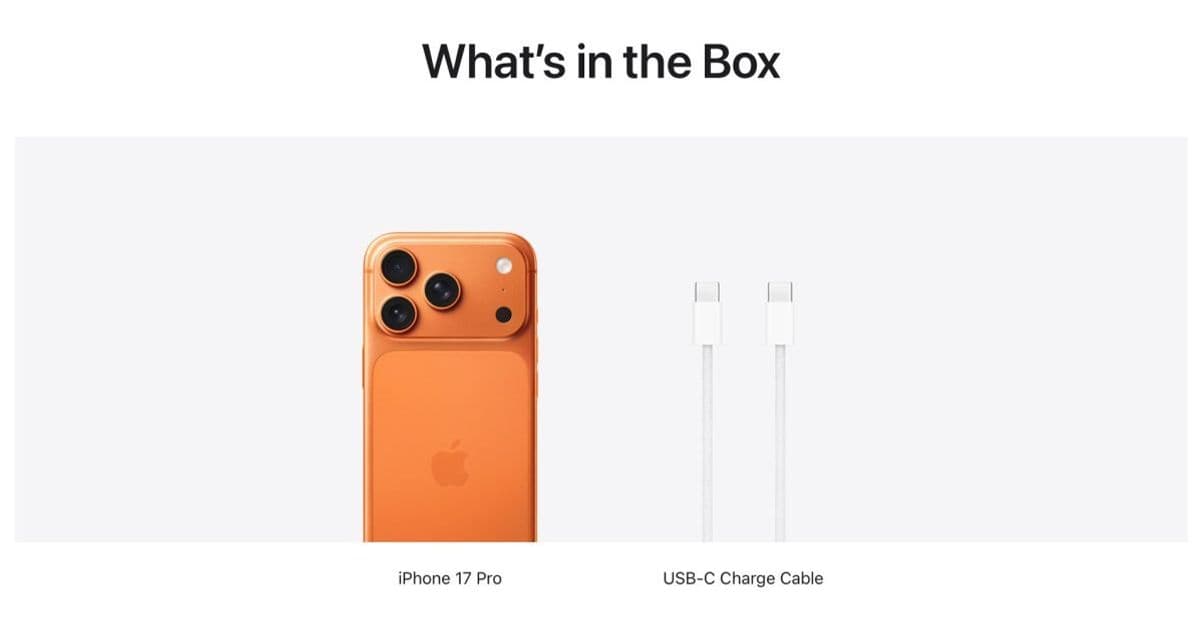
Apple faces another fine in Brazil for removing chargers from iPhone boxes, with regulators citing violations of consumer protection laws and the company's failure to address previous complaints.
Apple has been fined R$101,627.50 (approximately $20,000) by consumer protection authorities in the Brazilian state of Alagoas for selling iPhones without power adapters, marking another chapter in the company's ongoing dispute with Brazilian regulators over this practice.
The latest fine and its reasoning
The fine was imposed by Procon-AL, the state's consumer protection watchdog, which determined that Apple's decision to exclude chargers from iPhone packaging violates Brazil's Consumer Defense Code. According to the regulator, the power adapter is considered "an indispensable item for the regular use of the product."
In its assessment, Procon-AL stated that by requiring consumers to purchase the charger separately, Apple violates "the principles of objective good faith, transparency, and consumer vulnerability." The watchdog initially set the fine at around $12,000 but later increased it to roughly $20,000, citing aggravating factors under Brazilian regulations and Apple's lack of effort to resolve the complaint.
A recurring issue for Apple in Brazil
This is far from Apple's first encounter with Brazilian authorities over the charger issue. In 2022, the Brazilian Ministry of Justice ordered the suspension of iPhone sales in the country over the same concern. That action came approximately one year after Apple was fined roughly $2 million for the practice of selling iPhones without included power adapters.
The Brazilian government has consistently taken a firm stance on this matter, viewing the charger as an essential component that should be included with the device at no additional cost to consumers.
What happens next
Apple's Brazilian subsidiary has been given 20 days to appeal the decision. If the appeal is denied, the fine amount will be adjusted based on Brazil's IPCA-E inflation index, potentially increasing the financial impact.
The broader context
Apple began removing power adapters from iPhone boxes in 2020, citing environmental benefits and the argument that many users already own compatible chargers. The company has maintained that this move reduces electronic waste and allows for smaller packaging, enabling more efficient shipping.
However, this environmental justification has not satisfied Brazilian regulators, who argue that the practice shifts an unfair burden onto consumers and violates consumer protection principles. The ongoing fines and regulatory actions suggest that Apple may need to reconsider its approach in the Brazilian market or prepare for continued legal challenges.
The case highlights the tension between Apple's global product strategy and regional regulatory requirements, particularly in markets with strong consumer protection laws like Brazil.
Comments
Please log in or register to join the discussion