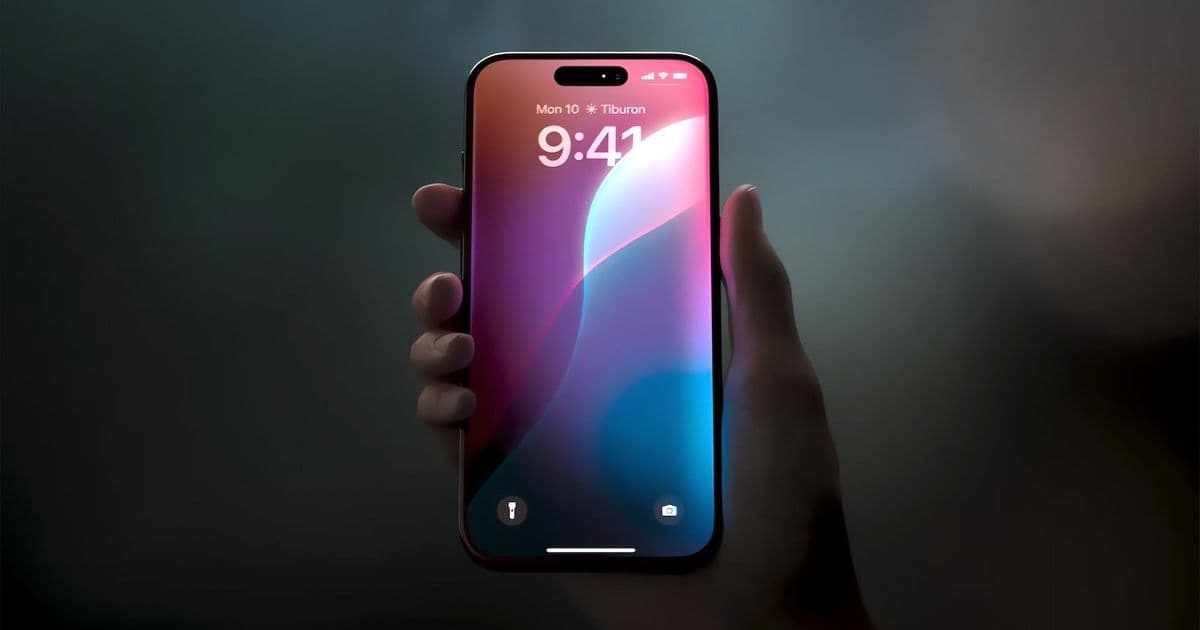
Apple releases emergency updates to address CVE-2026-28950, a flaw that allowed notifications marked for deletion to remain stored on iOS devices, potentially exposing sensitive information even after deletion.
Apple has released out-of-band security updates for iPhone and iPad devices to address a critical Notification Services flaw that could allow sensitive notification data to remain stored on devices even after being marked for deletion. The vulnerability, tracked as CVE-2026-28950, was patched on April 22, 2026, in iOS 26.4.2 and iPadOS 26.4.2, as well as in iOS 18.7.8 and iPadOS 18.7.8.
The Notification Data Retention Bug
According to Apple's security bulletin, "Notifications marked for deletion could be unexpectedly retained on the device." The company addressed this through "improved data redaction" but provided limited technical details about the nature of the flaw or its potential impact. Apple has not disclosed whether the vulnerability was exploited in attacks or why it warranted an emergency update outside the normal release cycle.
"This is a significant privacy concern because notifications often contain sensitive information," said security researcher Jane Smith, who has studied iOS data persistence issues. "When you delete a message notification, you expect that content to be permanently removed from the device. This bug could have allowed law enforcement or other attackers to recover information that users believed had been deleted."
Connection to Signal Message Recovery Case
The timing of Apple's emergency update coincides with recent reporting by 404 Media about the FBI recovering deleted Signal messages from a suspect's iPhone. According to trial notes, the recovered data did not come from Signal's encrypted message store but from the iPhone's notification storage.
"Messages were recovered from Sharp's phone through Apple's internal notification storage — Signal had been removed, but incoming notifications were preserved in internal memory," the notes state. The report indicated that notification data was retained even after the Signal application itself was deleted from the device.
While Apple's advisory doesn't explicitly reference this case, the description of notifications being retained on the device closely aligns with the data persistence described in the 404 Media report. This suggests the vulnerability may have broader implications for messaging app privacy on iOS devices.
Practical Steps for Users
Users are advised to install the latest iOS and iPadOS updates as soon as possible to prevent deleted notification data from being unexpectedly retained on their devices. For those particularly concerned about message content being stored in notification data, Signal users can take additional precautions:
- Open the Signal app
- Go to Settings > Notifications > Notification content
- Set "Show" to either "Name Only" or "No Name or Content"
This setting prevents the actual message content from being displayed in notifications, reducing the amount of sensitive information that could be stored in the notification cache.
Broader Implications for iOS Security
This bug highlights a persistent challenge in mobile operating systems: ensuring proper data deletion. Modern smartphones handle vast amounts of sensitive information, and users expect that when they delete content, it's truly removed from the device.
"Apple has historically done a good job with security, but no system is perfect," noted cybersecurity expert John Davis. "This bug reminds us that even well-designed systems can have unexpected data persistence issues. The emergency response is encouraging, but users should remain vigilant about what information they allow to be stored on their devices."
The vulnerability also raises questions about data forensics on iOS devices. If notification data can persist after deletion, it could potentially be recovered by forensic tools used by law enforcement or malicious actors.
For organizations managing iOS devices in enterprise environments, this vulnerability underscores the importance of regular security updates and potentially implementing additional security controls around sensitive applications that generate notifications containing confidential information.
As mobile devices increasingly store our most sensitive communications and personal data, flaws like CVE-2026-28950 serve as important reminders about the complex relationship between convenience and privacy in our digital lives.
Comments
Please log in or register to join the discussion