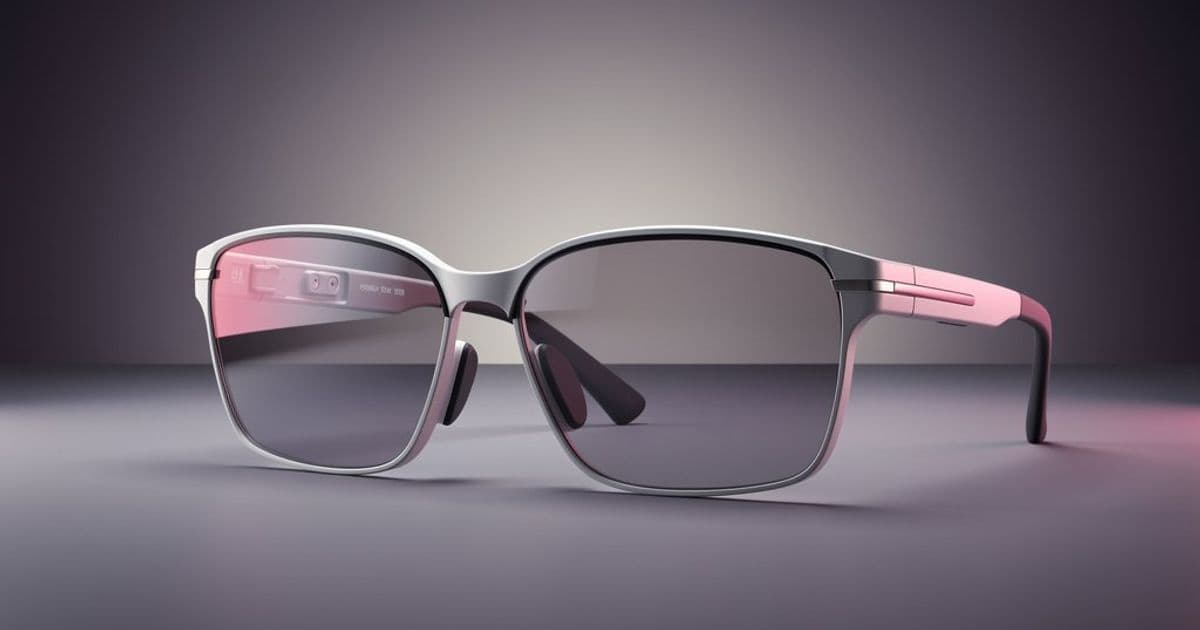
A Smart Analytics Global report projects the AI smart glasses market will grow from 6 million to 20 million units in 2026, with Apple's expected 2027 entry poised to accelerate mainstream adoption through industrial design, fashion appeal, and ecosystem integration.
Market Context and Growth Projections
Smart Analytics Global (SAG) has released a comprehensive market analysis projecting significant expansion in the AI smart glasses sector. The report identifies 2026 as a breakout year, forecasting sales volume to increase from 6 million units in 2025 to 20 million units in 2026. This represents a 233% year-over-year growth, driven by improving hardware capabilities and broader consumer acceptance of wearable display technology.
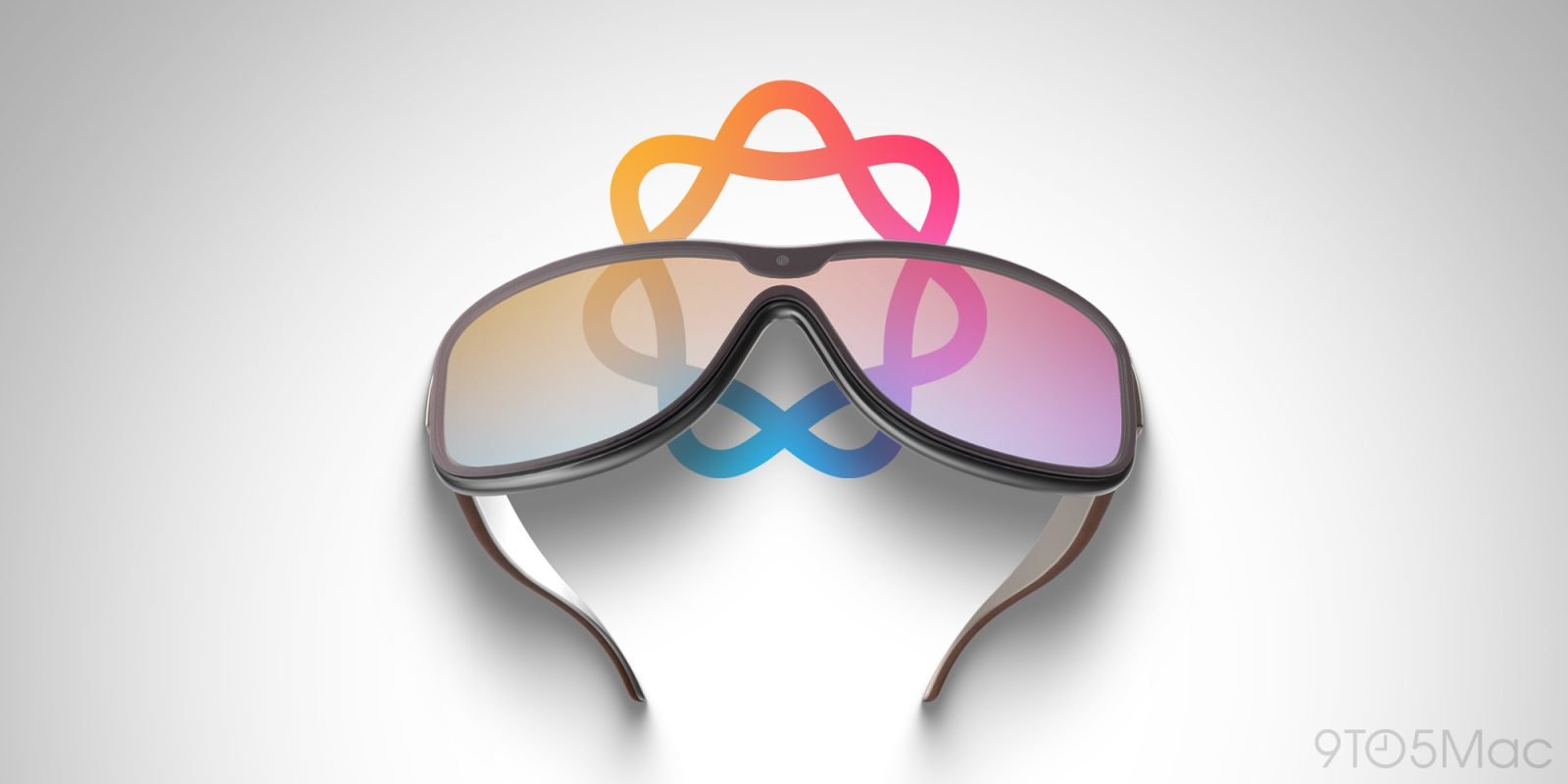
The projection becomes more compelling when considering Apple's anticipated market entry. SAG expects Apple Glasses to debut around 2027, marking what they describe as a "major inflection point" for the entire category. This timing aligns with Apple's typical product cadence for new hardware categories, allowing the company to observe early market feedback while refining its approach.
Three Core Strengths Driving Apple's Strategy
SAG's analysis identifies three specific advantages that position Apple Glasses for success. These strengths mirror the foundational elements that made the Apple Watch a dominant force in wearable technology:
1. Industrial Design
Apple's hardware design team has maintained its reputation despite significant internal changes since the Apple Watch launch. Chief Design Officer Jony Ive and many long-time associates departed the company, yet the industrial design ethos continues. For glasses, this translates to creating hardware that feels premium and functional without appearing obtrusive.
The engineering challenge involves balancing multiple constraints: battery life, display technology, weight distribution, and thermal management. Apple's approach typically emphasizes creating products that users want to wear for extended periods. This requires careful material selection, ergonomic frame design, and integration of components that don't add unnecessary bulk.
2. Fashion Appeal
Unlike purely functional AR headsets, Apple Glasses will likely target everyday wearability. This means collaborating with fashion brands, offering multiple frame styles, and ensuring the product complements rather than clashes with personal style. The Apple Watch succeeded partly because it became a fashion accessory alongside its utility functions.
SAG's report suggests this fashion-forward approach is critical for mainstream adoption. Consumers won't wear bulky, unattractive glasses regardless of technical capabilities. Apple's history of working with luxury brands and understanding aesthetic preferences positions them to create glasses that people actually want to wear in public.
3. Ecosystem Integration
This represents Apple's most significant competitive moat. The glasses would connect seamlessly with iPhone, Apple Watch, and other Apple devices, creating a unified experience. Notifications, navigation, health data, and communication could flow naturally between devices without requiring third-party app development for basic functionality.
For developers, this means existing frameworks like ARKit, Core ML, and SwiftUI would likely extend to the glasses platform. The learning curve would be minimized, and apps could offer augmented reality features without building entirely separate codebases. This ecosystem approach has been fundamental to Apple's platform strategy across all product categories.
Market Evolution: Coexistence Rather Than Replacement
SAG's long-term forecast through 2030 predicts smart glasses will reach 75 million units annually. Importantly, the report emphasizes that glasses will "co-exist with smartphones rather than replace them." This reflects a pragmatic understanding of user behavior and technical limitations.
Smartphones will remain primary computing devices for intensive tasks: content creation, detailed research, gaming, and complex productivity. Glasses will serve specialized functions: heads-up notifications, contextual information overlay, quick communication, and location-based services. The relationship mirrors how tablets didn't replace laptops but carved out their own usage patterns.
The report also identifies a shift toward HUD (heads-up display) models becoming the best sellers from 2028 onward. This suggests consumers will prioritize displaying information in their field of view over full AR experiences that require more sophisticated hardware and battery capacity.
Technical Considerations for Developers
While SAG's report focuses on market dynamics, the implications for mobile developers are substantial. Apple Glasses would likely require:
New UI Paradigms: Designing for glanceable interfaces means rethinking notification systems, information density, and interaction methods. Traditional touch interfaces don't translate directly to glasses, requiring voice commands, gesture recognition, or companion device controls.
Context-Aware Applications: Glasses excel at providing contextual information based on location, time, and user activity. Developers will need to consider how their apps can deliver value without overwhelming users with constant notifications.
Privacy and Permissions: Displaying information in public spaces raises new privacy concerns. Apple would need to establish clear guidelines around what data can be shown, when, and to whom. This could involve new permission types and privacy controls.
Battery Optimization: Unlike phones that users charge nightly, glasses may need to last through a full day of intermittent use. This requires careful power management and potentially offloading computation to paired devices.
Historical Context: Apple's Wearable Pattern
The Apple Watch provides a useful template for understanding how Apple might approach the glasses category:
- Initial Focus: The first Apple Watch emphasized fitness and notifications rather than trying to be a full computer
- Iterative Improvement: Each generation added capabilities while refining the core experience
- Platform Growth: WatchOS evolved from a phone companion to a platform with its own apps and capabilities
- Market Expansion: From premium models to more accessible options, then specialized editions
Applying this pattern to glasses suggests Apple would start with focused use cases (notifications, quick information, basic AR) and gradually expand capabilities as technology improves and developers build new experiences.
Development Timeline and Expectations
If Apple Glasses launch in 2027 as SAG predicts, developers should anticipate:
2026: Potential developer previews or SDK announcements at WWDC, similar to the Apple Watch's introduction timeline 2027: Initial hardware release, likely limited to early adopters and specific markets 2027-2028: Platform maturation with expanded third-party app support 2029+: Broader market appeal as technology improves and prices potentially decrease
This timeline gives developers approximately 1-2 years to prepare applications and understand the new interaction model.
Competitive Landscape
SAG's projection of 75 million units by 2030 assumes Apple becomes a dominant player, but the company faces existing competition. Meta's Ray-Ban smart glasses, Google's renewed interest in Android-based wearables, and various startups are already establishing market presence.
Apple's advantage lies in controlling both hardware and software, plus having an established user base willing to adopt new categories. However, the company must avoid the mistakes of early AR headsets that prioritized technical capability over user experience.
Implications for Mobile Development
For iOS developers currently maintaining apps across iPhone and iPad, Apple Glasses would represent a third platform requiring consideration. While Apple typically provides unified frameworks that scale across devices, glasses will introduce unique constraints:
- Screen Size: Minimal display area requiring careful information prioritization
- Input Methods: Limited touch surface necessitating alternative interaction patterns
- Usage Context: Hands-free scenarios where users are mobile and distracted
- Social Acceptance: Products must be socially acceptable to wear in various settings
Cross-platform developers working with tools like React Native or Flutter would need to wait for community support and native bridges before building glasses applications. The initial ecosystem would likely be iOS-only, reinforcing Apple's platform lock-in.
Looking Ahead
SAG's report suggests the smart glasses market stands at a pivotal moment. Current growth is building the foundation, but Apple's entry could transform glasses from niche tech products into mainstream accessories. The three strengths identified—design, fashion, and ecosystem—align with Apple's proven formula for wearable success.
For developers and industry observers, the key questions remain around specific capabilities, developer tools, and pricing. While SAG's 2027 prediction aligns with industry expectations, Apple's actual timeline will depend on technical readiness and market conditions. The report's emphasis on glasses coexisting with smartphones rather than replacing them provides a realistic framework for understanding how this new category will integrate into our existing mobile ecosystem.
Comments
Please log in or register to join the discussion