Apple releases the official trailer for Bad Bunny's upcoming Super Bowl LX Apple Music Halftime Show, highlighting the cultural significance and technical delivery of the performance while navigating recent political controversy.
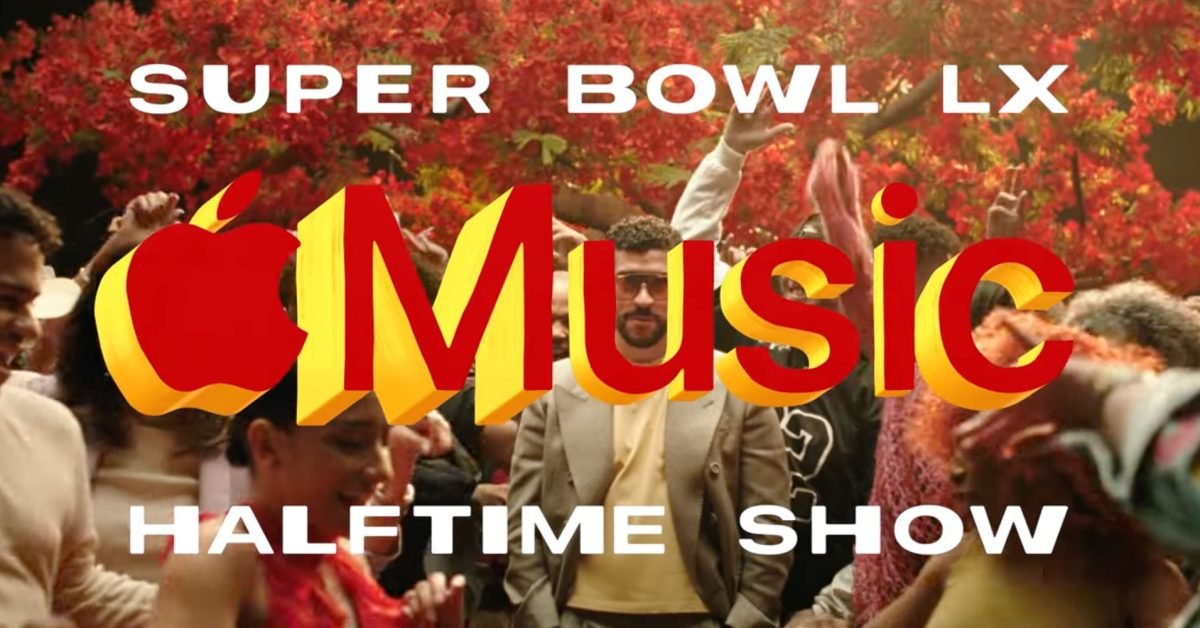
Apple has officially released the full trailer for Bad Bunny's Super Bowl LX Apple Music Halftime Show, giving fans their first extended look at what the company is positioning as one of its most significant live music events since taking over the halftime show sponsorship from Pepsi. The trailer, which debuted today, features the Puerto Rican artist performing his track "BAILE INoLVIDABLE" alongside a diverse cast representing multiple nationalities and cultural styles, emphasizing the global reach of both the artist and Apple's streaming platform.
The Technical Delivery Challenge
For Apple, this represents more than just a marketing opportunity. The Super Bowl halftime show has evolved into a complex technical production that must deliver flawless audio and video to over 100 million viewers simultaneously. With Apple Music now serving as the exclusive streaming partner for the performance, the company faces the dual challenge of ensuring broadcast quality while also managing the streaming experience for subscribers who might watch through the Apple TV app or directly within Apple Music.
The streaming infrastructure required for a live event of this scale involves multiple layers of redundancy. Apple's content delivery network must handle peak traffic that could exceed typical streaming demands by orders of magnitude. The company has previously demonstrated its capability with events like the annual Apple September keynote, but the Super Bowl presents a different challenge due to its real-time nature and the expectation of zero buffering or quality degradation.
From a platform perspective, iOS and Android users will experience the performance through different pathways. iOS users can access the stream directly through the Apple TV app or Apple Music, with potential integration into the Apple TV+ service. Android users will need to rely on the Apple Music app or third-party streaming services that carry the broadcast. This cross-platform consideration is particularly relevant given that Apple Music's Android app has historically lagged behind its iOS counterpart in feature parity, though the company has made significant improvements in recent years.
Platform Requirements and SDK Considerations
Developers working on apps that might integrate with the halftime show or related content should note the minimum OS requirements. For optimal Apple Music integration, iOS 15 or later is recommended, though the app supports back to iOS 13. For Android, the requirement is Android 6.0 (API level 23) or higher. The streaming capabilities rely on Apple's proprietary HLS (HTTP Live Streaming) protocol, which is now supported across both platforms through native media players.
The trailer itself was likely encoded using Apple's latest video formats. Given the production timeline, it probably uses HEVC (H.265) encoding for efficiency, with fallbacks to H.264 for broader device compatibility. The audio would be encoded using AAC-LC, potentially with Dolby Atmos support for premium subscribers using compatible hardware like AirPods Pro or HomePod.
Cross-Platform Development Implications
For developers building apps that might feature or reference the halftime show, several considerations emerge. First, the event highlights the growing importance of live streaming capabilities in mobile applications. The infrastructure required to handle millions of concurrent viewers has direct parallels to any app expecting high-traffic live events, from gaming to social media.
Second, the controversy surrounding the performance touches on broader platform policies. Apple's approach to content moderation and political neutrality has been tested before, but the scale of this event makes it particularly visible. Developers building apps that might comment on or feature the event should be aware of Apple's App Store guidelines regarding political content and live events.
The technical stack for delivering this content involves several Apple frameworks. AVFoundation handles the media playback, while AVKit provides the user interface components. For developers interested in building similar streaming capabilities, Apple's documentation on AVPlayer and AVPlayerViewController provides the foundation. The company also offers FairPlay Streaming for DRM-protected content, which is essential for premium live events.
The Political Context and Platform Neutrality
The controversy surrounding Bad Bunny's selection stems from his vocal opposition to certain U.S. immigration policies. This has created an unusual situation where a major corporate event intersects with political debate. Apple's strategy has been to maintain distance from the controversy while proceeding with the performance as planned.
This situation reflects a broader challenge for technology platforms: how to balance cultural programming with political neutrality. For developers, this serves as a reminder that apps and services that feature user-generated content or commentary on current events must navigate complex moderation policies. Apple's App Store guidelines, specifically section 1.1.4 regarding "Objectionable Content," provide the framework for how such content is handled on iOS.
The technical delivery of the performance will occur through Apple's infrastructure, but the content itself is produced by the NFL and its partners. Apple's role as the streaming partner means they control the delivery mechanism but not the creative content. This distinction is important for understanding the division of responsibility and the technical systems involved.
What Developers Should Watch For
As the February 8 event approaches, several technical aspects will be worth monitoring:
Streaming Quality Metrics: Apple typically provides multiple bitrate options for live streams. Observing how the company handles quality adaptation during peak demand could inform best practices for other live streaming applications.
Platform-Specific Features: Apple may introduce new features for this event, such as enhanced spatial audio or interactive elements. These could preview future capabilities for developers.
Cross-Platform Consistency: The experience on iOS versus Android will be a test of Apple's cross-platform service delivery. Developers building for both platforms should note any differences in feature availability or performance.
Post-Event Content: Apple Music will likely make the performance available on-demand after the live event. The technical process of converting a live broadcast to a permanent catalog item involves specific encoding and metadata workflows that developers might find relevant.
Broader Context for Mobile Development
The Super Bowl halftime show represents one of the few events that consistently pushes the boundaries of live streaming technology. The lessons learned from delivering high-quality, low-latency video to millions of concurrent users have direct applications to other domains, from remote work tools to social media platforms.
For iOS developers specifically, the event demonstrates the capabilities of Apple's media frameworks. The company has invested heavily in making professional-grade media playback accessible through standard APIs. The AVFoundation framework provides the building blocks for creating custom media experiences, while AVKit offers ready-made UI components.
Android developers face a different landscape. While Google's ExoPlayer library provides robust media playback capabilities, the integration with Apple's streaming infrastructure requires careful attention to protocol support and DRM compatibility. The Apple Music Android app itself serves as a case study in how Apple's services can be adapted for the Android ecosystem.
Looking Ahead
The Bad Bunny halftime show will be Apple's third Super Bowl performance since taking over sponsorship in 2022. Previous shows with The Weeknd and Rihanna established technical precedents for how Apple delivers these events. This year's performance, given its cultural significance and the surrounding controversy, will test Apple's ability to maintain technical excellence while navigating complex social dynamics.
For the mobile development community, the event serves as a live demonstration of streaming technology at scale. The infrastructure, encoding strategies, and platform-specific optimizations used for the broadcast will likely influence best practices for years to come. Developers interested in the technical details should monitor Apple's developer documentation and WWDC sessions for insights into the company's approach to live streaming.
The trailer itself, available on Apple's YouTube channel and the Apple Music app, provides a preview of the production quality. The full performance will be available for streaming on Apple Music and through the Apple TV app on February 8, with the event starting at 6:30 PM ET. For developers building applications that might reference or feature the event, understanding both the technical delivery and cultural context will be essential for creating relevant, compliant experiences.
Comments
Please log in or register to join the discussion