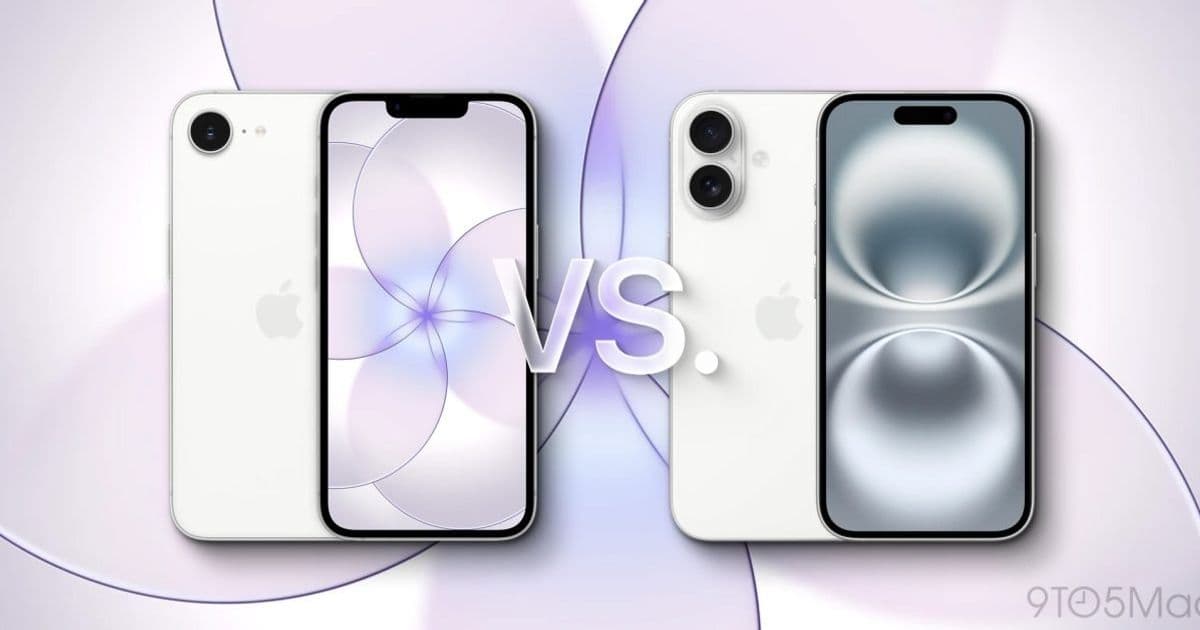
Apple's new iPhone 17e offers newer silicon and more storage than the iPhone 16 at a lower price point. For iOS developers, this creates an interesting dilemma: which device should be prioritized for testing and development?
Apple's new iPhone 17e presents an intriguing choice for iOS developers. With its newer A19 chip, doubled storage, and lower price point compared to the iPhone 16, developers must carefully consider which device offers the best value for their testing needs. This comparison examines the technical differences and their implications for app development.
Hardware Specifications Comparison
The most significant technical difference between these devices lies in their processors. The iPhone 17e features Apple's latest A19 chip, while the iPhone 16 uses the previous generation A18. For developers, this means:
- Performance differences: The A19 chip delivers approximately 15-20% better CPU performance and 30% improved GPU performance compared to the A18. This affects how apps render graphics, process video, and handle computationally intensive tasks.
- Thermal characteristics: Newer chips often have better thermal management, which can impact sustained performance during long testing sessions.
- Future-proofing: Apps developed on the A19 platform will be better positioned for future iOS updates and hardware releases.
Storage is another critical factor. The iPhone 17e starts with 256GB compared to the iPhone 16's 128GB base model. For developers:
- Larger storage capacity allows for installing multiple app versions, development tools, and test assets without constant management.
- The 512GB option in the iPhone 17e provides even more flexibility for those working with large media files or complex development environments.
The display differences also matter for testing:
- iPhone 16 offers 1000 nits typical brightness, 1600 nits HDR peak, and 2000 nits outdoor peak brightness
- iPhone 17e provides 800 nits typical brightness and 1200 nits HDR peak brightness
These differences affect how apps appear in various lighting conditions, which developers must account for when designing UI elements and testing visual fidelity.
Camera System Implications
The camera systems present another important consideration for developers:
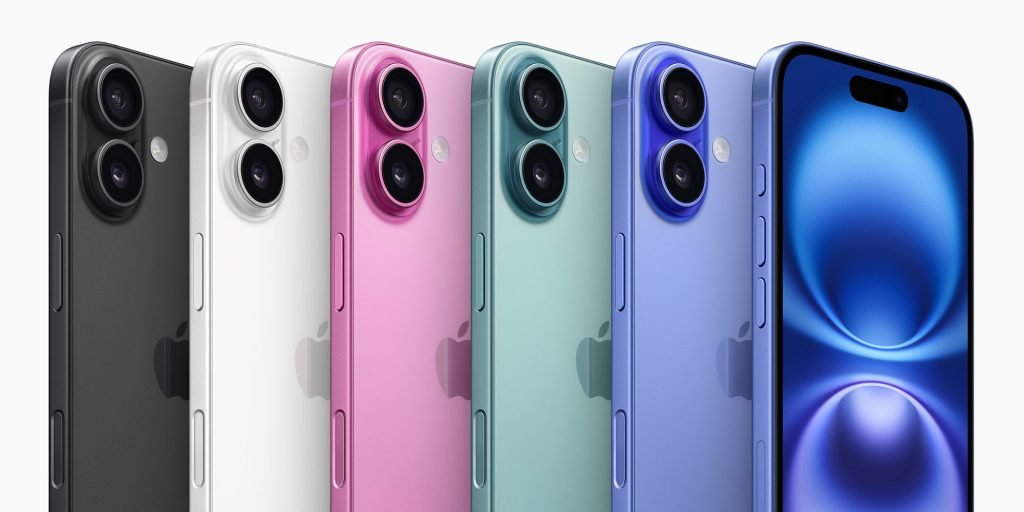
- iPhone 16 includes an Ultra Wide camera enabling 0.5x zoom, macro photography, spatial photo capture, and Cinematic mode
- iPhone 17e lacks the Ultra Wide camera, limiting these testing capabilities
For developers working with AR features, camera-based filters, or photography apps, the iPhone 16's more versatile camera system provides a more comprehensive testing environment. The spatial photo capture feature in particular is relevant for developers working on Vision Pro compatibility and ARKit applications.
Connectivity and Networking Considerations
The networking differences between these devices affect how developers test their applications:
- iPhone 16 supports Wi-Fi 7, while iPhone 17e has Wi-Fi 6
- iPhone 16 includes a Thread radio and second-generation UWB chip for better integration with AirTag 2
These differences impact:
- Network performance testing, especially for bandwidth-intensive applications
- IoT and smart home app development
- Location-based services and proximity detection features
Platform Requirements and SDK Compatibility
From a platform perspective, both devices run the same iOS version, but the hardware capabilities create different testing scenarios:
- The A19 chip in iPhone 17e supports newer Metal API features and machine learning accelerations
- Camera differences affect ARKit and Vision framework testing
- Display brightness variations impact UI testing across different lighting conditions
For developers targeting the latest iOS features, the iPhone 17e's newer chip may provide a better baseline for future-proofing applications. However, the iPhone 16's camera system offers more comprehensive multimedia testing capabilities.
Cost-Benefit Analysis for Development Teams
When evaluating which device to prioritize for development teams, several factors come into play:
Budget constraints: The iPhone 17e's $100 lower price point frees up resources for additional testing devices or other development tools.
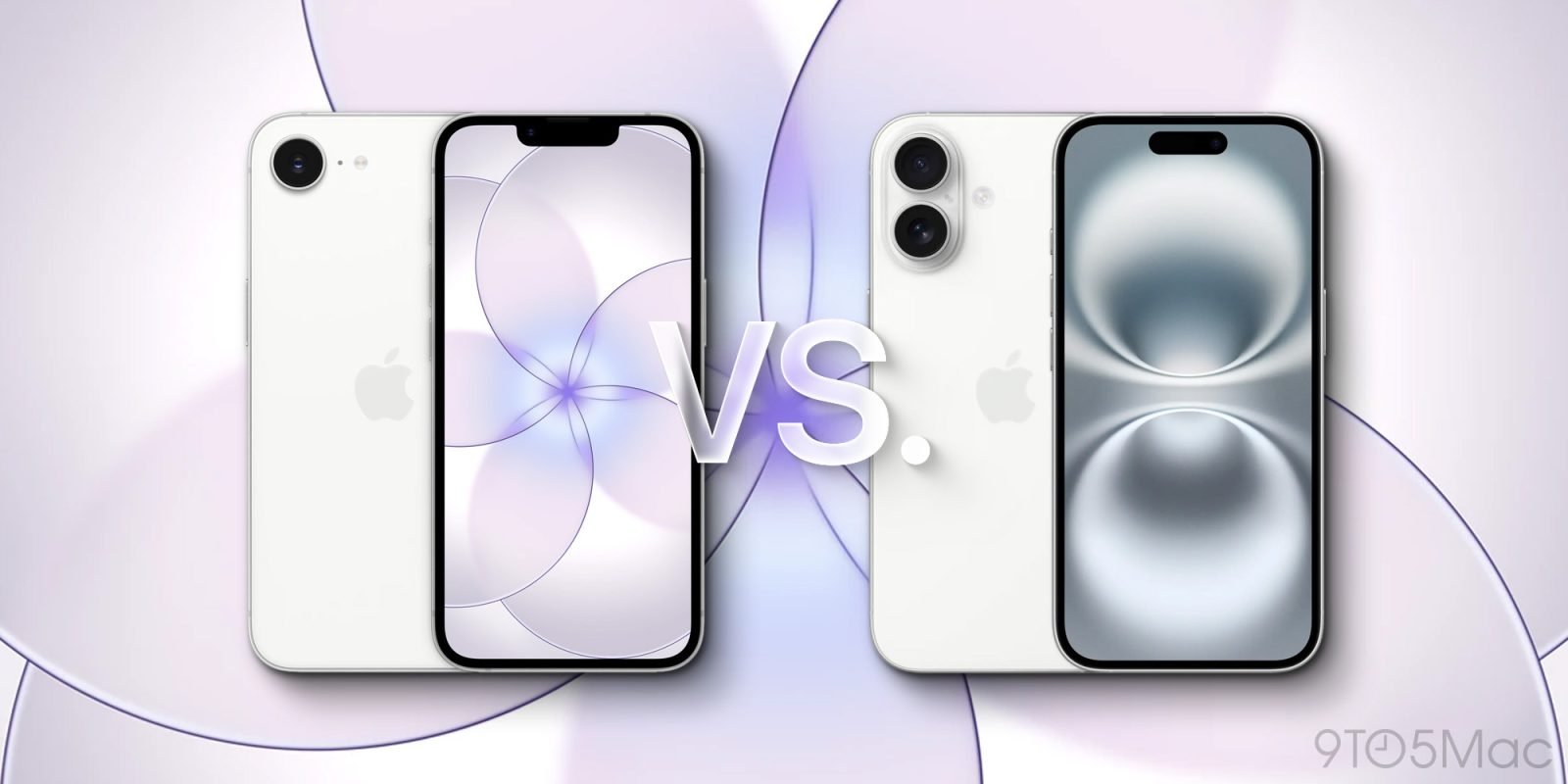
Testing coverage: The iPhone 16's design represents the current flagship form factor with Dynamic Island, while the iPhone 17e uses the older notch design. Teams must decide which design language to prioritize.
Future development: The A19 chip's performance benefits may extend the useful lifespan of the device for testing upcoming iOS versions and hardware features.
Storage requirements: Development work often benefits from additional storage for installing multiple app versions, test builds, and development tools.
Migration Recommendations
For development teams deciding between these devices:
- New projects: The iPhone 17e offers better value with its newer chip and larger storage at a lower price point, making it an excellent primary testing device.
- Existing projects: Teams already invested in iPhone 16 devices may find it more cost-effective to continue using them while adding iPhone 17e devices for specific testing scenarios.
- Specialized testing: The iPhone 16 should be prioritized for camera-intensive applications, AR development, and testing features that leverage the Dynamic Island.
The ideal approach for many development teams may be a combination strategy: using iPhone 17e as the primary testing device due to its better value and newer chip, while maintaining at least some iPhone 16 devices to ensure compatibility with the current flagship design and its unique features.
As Apple continues to refine its iPhone lineup, developers must balance immediate testing needs with future-proofing their applications. The iPhone 17e's combination of newer silicon and improved storage at a lower price point makes it an attractive option, while the iPhone 16's more advanced camera system and modern design ensure it remains relevant for specific testing scenarios.
For developers making purchasing decisions, consider your specific testing requirements, budget constraints, and the direction of your app development. The right choice depends on which features and capabilities align most closely with your development priorities.
Comments
Please log in or register to join the discussion