
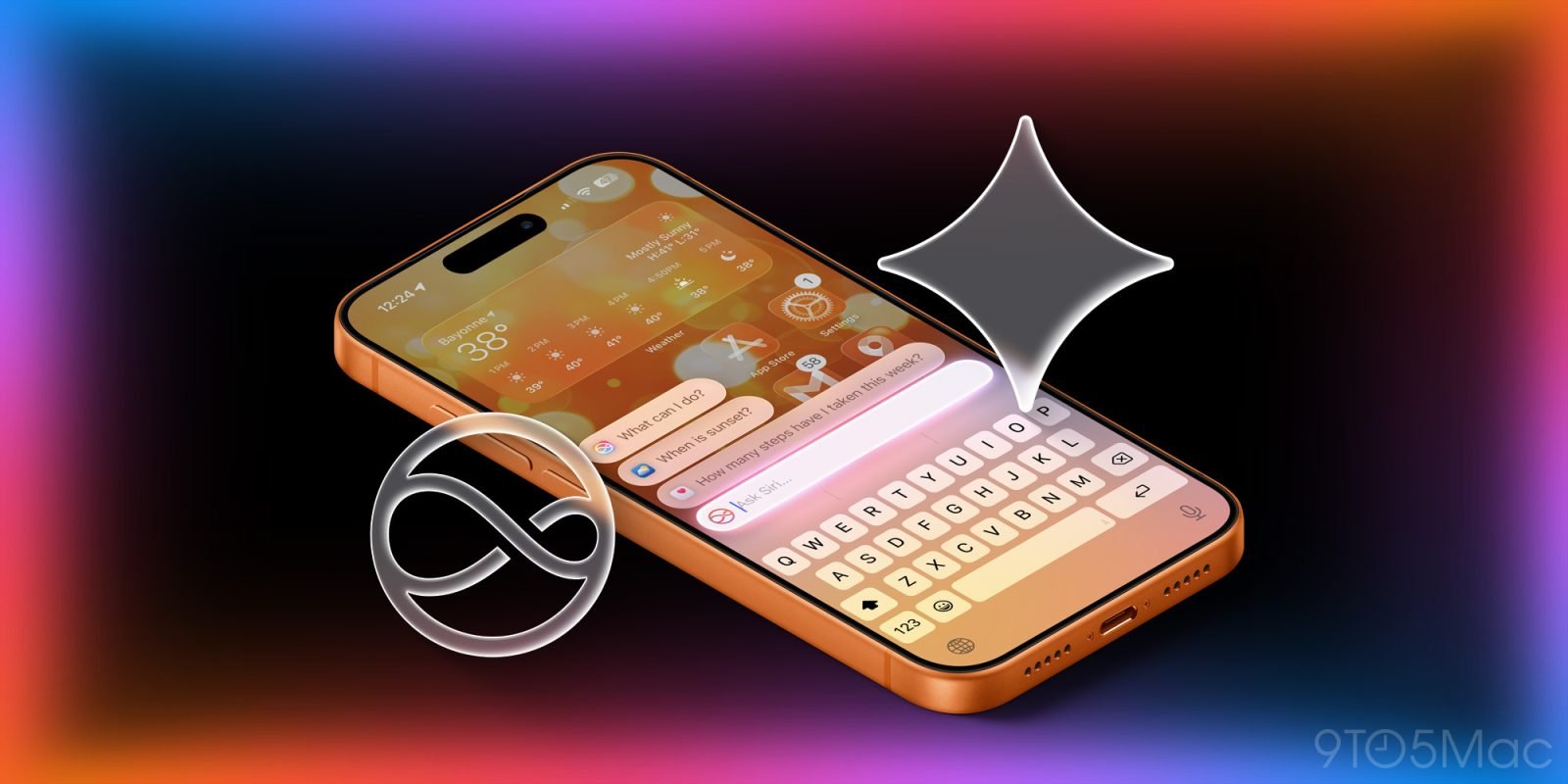
According to Mark Gurman's Power On newsletter, Apple is scaling back its standalone AI projects and instead planning a deep integration of a Gemini-backed Siri across its core applications, marking a significant pivot in its AI strategy.
Apple's AI strategy is undergoing a major pivot, with the company reportedly abandoning its ambitious standalone AI projects in favor of a more focused integration of Google's Gemini technology into its core applications. According to Mark Gurman's latest Power On newsletter, Apple is now planning to "deeply" integrate the upcoming Gemini-backed version of Siri across its native apps, a significant shift from the company's previous direction.
This move comes as a response to the relatively slow rollout of Apple Intelligence features since its launch over a year ago. While Apple has added incremental AI features like Apple Music's AutoMix and Apple Watch's Workout Buddy, the company has been working behind the scenes on more substantial projects that are now being scaled back or paused entirely.
The End of Apple's Standalone AI Ambitions
For much of the past two years, Apple had been developing a "World Knowledge Answers" project designed to compete directly with services like ChatGPT and Perplexity. This ambitious initiative aimed to provide a comprehensive, Apple-native answer engine that could handle complex queries and information synthesis. However, Gurman reports that this project has been scaled back as Apple pivots toward leveraging Google's Gemini technology instead.
The scaling back extends beyond just the answer engine. Apple had been developing a comprehensive AI overhaul of Safari browser, which was a major priority for 2026. This revamped Safari was designed specifically for the AI era, with planned features that would assess the trustworthiness of documents and data, and cross-reference information across multiple sources. These plans have now been paused, though Gurman notes there's a possibility they could resume before WWDC26.
Similarly, Apple has reportedly "returned to the drawing board" for its AI Health features, indicating a complete reevaluation of how to approach AI integration in its most sensitive health applications.
From Fragmented Chatbots to Unified Siri
The strategic shift is also evident in Apple's approach to user experience. According to Gurman, Apple had initially envisioned standalone chatbot-style experiences embedded in individual apps like Safari, TV, Health, Music, and Podcasts. This would have created a fragmented AI experience where users would interact with different AI personalities depending on which app they were using.
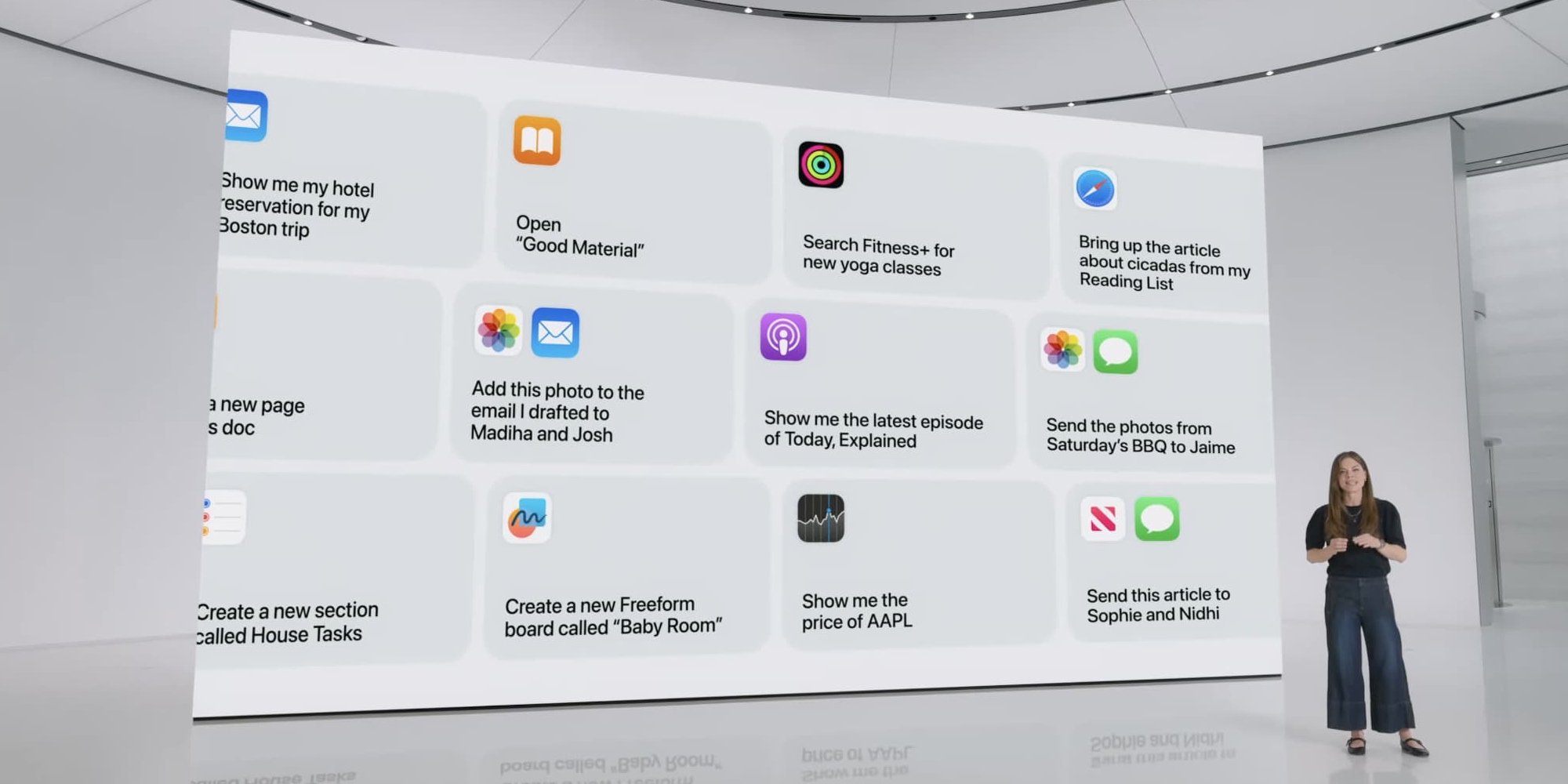
However, following the departure of John Giannandrea, Apple's former SVP of Machine Learning and AI Strategy, the company is now pursuing a more cohesive vision. Instead of separate chatbots, Apple will integrate a single, powerful Siri across all core applications. This unified approach aims to provide a consistent AI experience that understands context across apps and can perform complex tasks that span multiple applications.
The integration will likely build on Apple's existing App Intents framework, which allows apps to expose specific actions that Siri can perform. This technology already enables Siri to control third-party apps, but the new integration would go much deeper, potentially allowing Siri to understand and manipulate data within Apple's own apps in more sophisticated ways.
What Deep Integration Could Mean
While specific details remain scarce, "deep integration" suggests several possibilities for how Gemini-backed Siri might function across Apple's ecosystem:
Cross-App Intelligence: Siri could understand context from one app and apply it to another. For example, if you're reading an article in Safari about a movie, Siri could automatically check your TV app for availability, then add it to your watchlist in the TV app, and even set a reminder in Calendar.
Enhanced Data Synthesis: With Gemini's capabilities, Siri could potentially synthesize information from multiple Apple apps. Health data could inform Music recommendations, or Photos memories could be automatically compiled into video presentations in the TV app.
Proactive Assistance: Rather than waiting for explicit commands, the integrated Siri could anticipate needs based on patterns across apps. If you regularly check stocks after reading financial news in Safari, Siri might proactively surface relevant market data when you open the News app.
Consistent Voice Experience: Users would interact with the same Siri personality across all apps, with consistent capabilities and understanding of personal preferences, rather than learning different interaction patterns for each application.
The Google Partnership Context
The decision to leverage Gemini represents a significant change in Apple's relationship with Google. While the two companies have had a long-standing search partnership (where Google pays Apple billions to be the default search engine on Safari), this AI integration represents a much deeper technical collaboration.
For Apple, partnering with Google provides immediate access to cutting-edge AI models without the years of development required to build competitive alternatives. For Google, it represents a major validation of Gemini's capabilities and potentially opens new revenue streams through API usage or licensing agreements.
However, this partnership also raises questions about data privacy and Apple's long-term AI independence. Apple has built its brand on privacy and on-device processing, while Gemini relies heavily on cloud-based computation. How Apple reconciles these conflicting approaches will be crucial to the success of this integration.
Timeline and Expectations
Gurman reports that the new Gemini-backed Siri could be announced as soon as next month, likely at a spring event or through a press release. This timeline suggests Apple is moving quickly to implement this new strategy, possibly to catch up with competitors who have been more aggressive in AI deployment.
The announcement would likely come alongside demonstrations of how Siri integrates with core apps, though the full rollout may be staggered throughout 2026. Apple typically introduces major features with new iOS versions, so we might see the initial integration with iOS 19 or a mid-year update.
The Bigger Picture
This strategic shift represents a pragmatic response to the rapidly evolving AI landscape. Apple's original vision of building everything in-house, while consistent with its historical approach, may have been too ambitious given the pace of AI development. By partnering with Google, Apple can deliver competitive AI features faster while focusing its internal resources on integration, privacy, and user experience.
For consumers, this could mean a more capable Siri that actually delivers on the promise of a truly intelligent assistant. The deep integration across apps could finally make Siri the central hub of the Apple ecosystem that it was always meant to be, rather than just a voice interface for basic commands.
However, questions remain about how Apple will handle the privacy implications of using Google's AI models, especially for sensitive data in apps like Health. The company will need to be transparent about what data is processed where and how user privacy is maintained throughout the process.
As 2026 unfolds, Apple's AI strategy will be closely watched. The success or failure of this Gemini-backed Siri integration could determine whether Apple remains a leader in consumer AI or falls further behind competitors who have been more aggressive in their AI deployments. For now, the company appears to be betting that deep integration across its ecosystem will be more valuable than standalone AI features, a bet that will play out across millions of iPhones, iPads, and Macs in the coming year.
Comments
Please log in or register to join the discussion