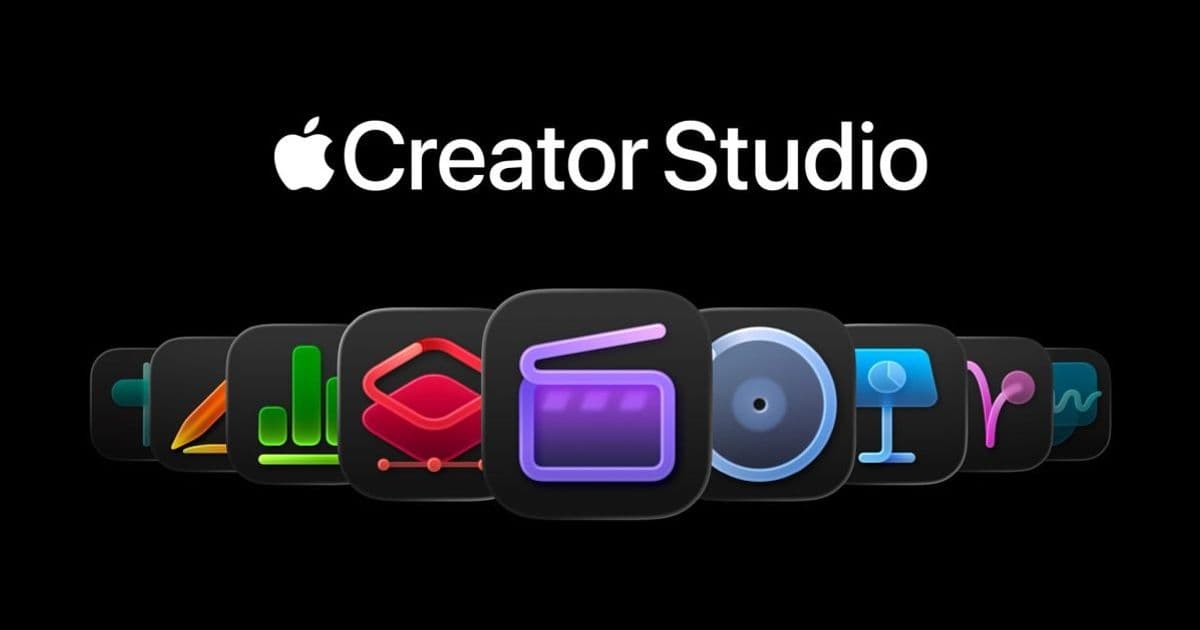
Apple is hosting a multi-day 'Apple Experience' event in Los Angeles next week, coinciding with the launch of its new Creator Studio subscription bundle. The event offers developers and creators hands-on access to Apple's creative software suite and potential hardware previews, signaling a deeper investment in the professional creative market.
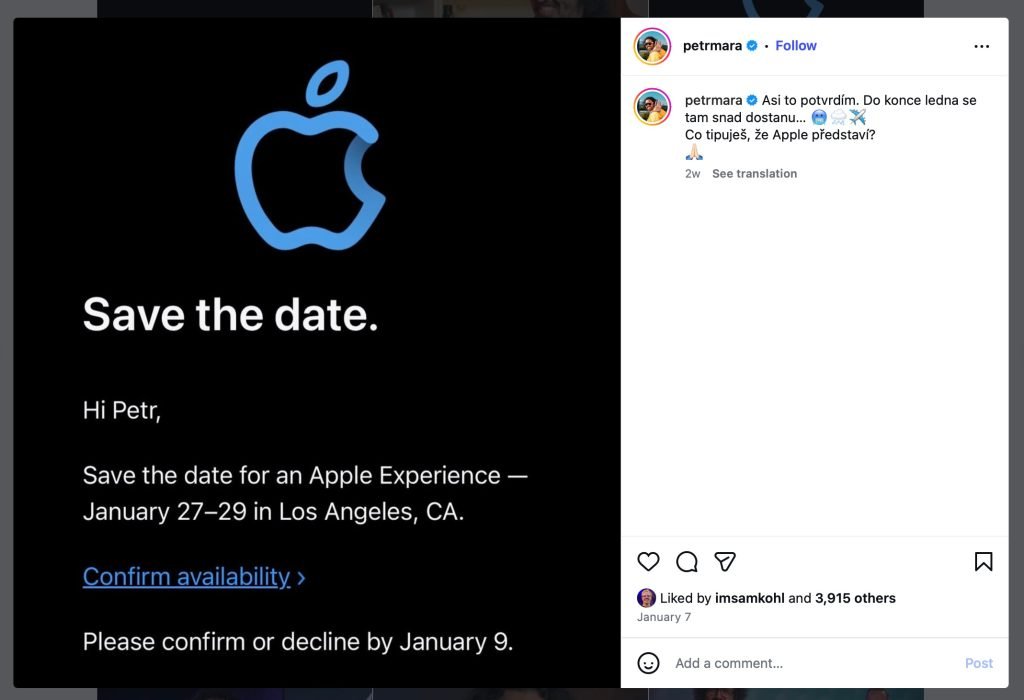
Apple has quietly invited a select group of creators to a multi-day 'Apple Experience' event in Los Angeles from January 27-29, 2026. This invitation, first shared by creator Petr Mára on Instagram, arrives just as Apple prepares to launch its new Apple Creator Studio subscription bundle on January 28. For developers and creators working across Apple's ecosystem, this event represents more than a product launch—it's a strategic move to solidify Apple's position in the professional creative workflow market.
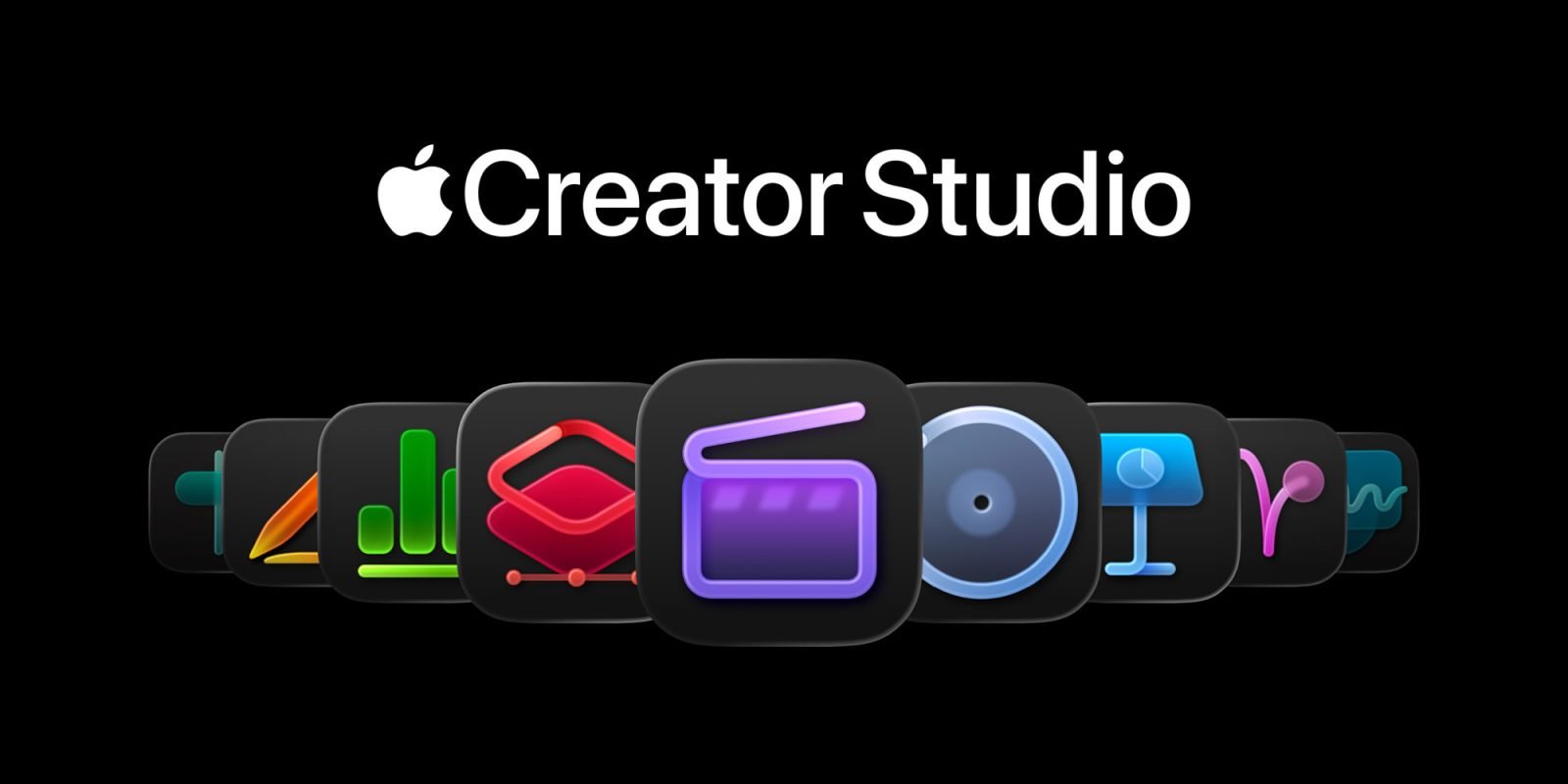
The timing is deliberate. Apple Creator Studio bundles the company's full suite of creative applications—including Final Cut Pro, Logic Pro, and the entire iWork suite—into a single subscription priced at $12.99 per month or $129 annually. This pricing structure directly competes with Adobe's Creative Cloud, which has long dominated the professional creative space. For mobile developers who also create content, this bundle could significantly reduce software costs while maintaining deep integration with macOS and iOS.
From a developer perspective, the event's structure suggests Apple is focusing on hands-on experience rather than mere announcements. The invitation mentions briefings with Apple product managers and in-depth demos, indicating the company wants feedback from power users before broader rollout. This approach mirrors how Apple has historically refined developer tools—through direct engagement with the community that uses them daily.
The event's location in Los Angeles is significant. As the entertainment industry's hub, it provides Apple direct access to professional video editors, audio engineers, and graphic designers who push creative software to its limits. For developers building apps that integrate with Apple's creative tools, understanding how these professionals work could inform better API design and feature implementation.
Hardware speculation adds another layer for developers. Shipping delays for M4 Pro and M4 Max MacBook Pro variants typically signal imminent refreshes, and the M5 series represents a significant architectural shift. For developers, new hardware means testing performance across different chip generations, optimizing for new neural engines, and ensuring compatibility with updated display technologies. The event could provide early access to these machines, allowing developers to prepare updates before public release.
The broader context matters. Apple's earnings report on January 29 coincides with the event's final day, suggesting the company is using this moment to showcase both software and hardware innovation simultaneously. For developers, this creates a compressed timeline for adaptation. If new MacBook Pros launch alongside Creator Studio, apps that leverage creative workflows will need immediate updates to support new hardware capabilities and software features.
For cross-platform developers, Apple's increased investment in creative tools presents both opportunity and challenge. The Creator Studio bundle could drive more users toward Apple's ecosystem, increasing the potential audience for Mac and iOS apps. However, it also raises the bar for app quality—users with access to professional-grade tools will expect similar polish in third-party applications.
The event's multi-day format suggests Apple is building a community around its creative tools, not just selling software. This approach could lead to more frequent updates, better developer resources, and stronger integration between Apple's native apps and third-party solutions. Developers who attend or follow the event closely will gain insights into Apple's roadmap for creative APIs and frameworks.
In practical terms, developers should prepare for several potential outcomes. First, new hardware specifications that may require app optimization. Second, updates to creative frameworks like AVFoundation or Core Audio that could simplify or complicate certain workflows. Third, pricing changes that might affect how users perceive value in creative software subscriptions.
The event also highlights Apple's evolving relationship with creators. By inviting select individuals for hands-on experience, Apple is acknowledging that professional users drive platform adoption. For developers, this means building apps that not only work well but also integrate seamlessly with Apple's creative ecosystem—supporting features like Handoff, Continuity Camera, and Universal Control.
As the event approaches, developers should monitor official Apple channels for announcements. The company's approach to creative software has historically emphasized performance and integration over feature quantity, and this event will likely reinforce that philosophy. For those building apps in the creative space, understanding Apple's vision for professional workflows will be crucial for long-term success on the platform.
The broader implication is clear: Apple is no longer content with being just a hardware company for creatives. By bundling software and creating dedicated events, the company is building an ecosystem that competes directly with established creative software vendors. For developers, this creates a more complex but potentially more rewarding environment—one where Apple's investment in creative tools could drive more users to the platform, but also sets higher expectations for app quality and integration.
Comments
Please log in or register to join the discussion