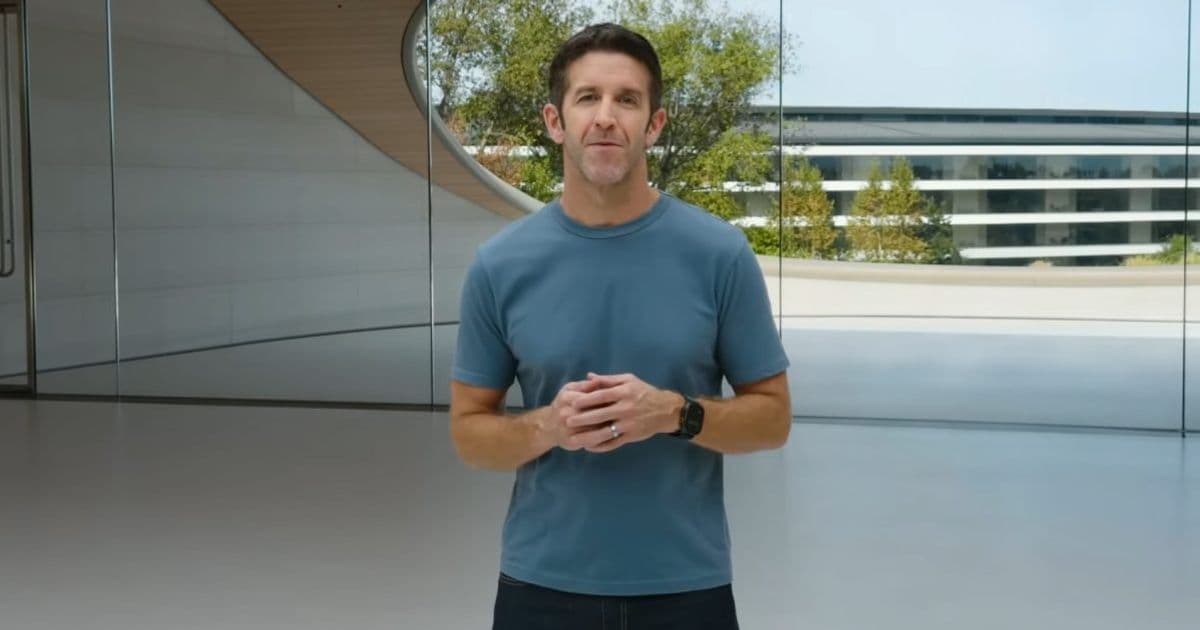
Bloomberg reports that Tim Cook has quietly assigned John Ternus, Apple's Senior VP of Hardware Engineering, to serve as executive sponsor for all design across the company. This move consolidates design strategy under one of Apple's most senior hardware leaders, potentially reshaping how hardware and software design decisions are made at the executive level.
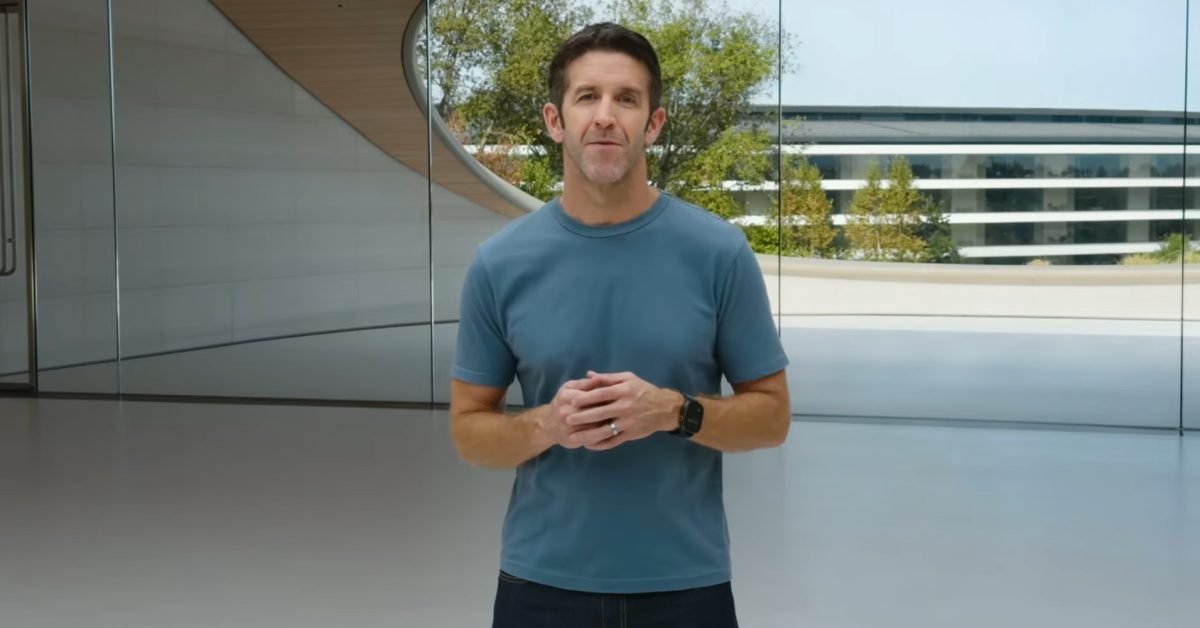
A new Bloomberg report reveals that Tim Cook has tapped John Ternus, Apple's Senior Vice President of Hardware Engineering, to oversee the company's design organization as an executive sponsor. This quiet reorganization, which took effect at the end of last year, represents a significant shift in Apple's design leadership structure following years of flux since Jony Ive's departure.
The New Design Hierarchy
According to Bloomberg's sources, Ternus now holds oversight of design strategy at the executive level, though the practical organizational structure remains nuanced. Design leaders continue to report directly to Tim Cook in both internal charts and public disclosures, but Ternus serves as the executive sponsor for all design across Apple. This arrangement means Ternus will have greater influence on design decisions than a typical hardware chief, while maintaining the consensus-based approach Apple has historically used for major design choices.
The report notes this is "a strange arrangement" but reflects Cook's recognition that Ternus may be better suited for design oversight. Cook is known to maintain distance from design decisions, a stark contrast to Steve Jobs and Jony Ive's hands-on collaboration. This change brings design leadership closer to Apple's core hardware engineering expertise, which Ternus has led since 2021.
Ternus's Expanding Role
John Ternus already worked closely with Apple's industrial design team through his hardware engineering responsibilities, but this new role extends his oversight to include user interface design in Apple's software. Bloomberg reports that Cook is deliberately exposing Ternus to more parts of Apple's operations, positioning him increasingly as a public face of the company.
This strategic grooming is widely interpreted as preparation for Ternus to eventually succeed Cook as CEO. The report explicitly states that "even with the change, there are no signs within Apple that Cook is poised to step down soon," but Ternus is considered a top internal candidate for the role. His expanded responsibilities give him unique visibility into both hardware and software design processes, which could prove valuable for future leadership.
Historical Context: Post-Ive Leadership Vacuum
Apple's design leadership has been in a state of reorganization since Jony Ive left the company in 2019. His departure created a significant void at the intersection of hardware and software design, where he had been the primary creative force for decades. Following years of executive departures and reshuffles, oversight eventually fell to Chief Operating Officer Jeff Williams, who has now also retired.
This transition period saw design decisions becoming more committee-driven rather than flowing from a single visionary. The current consensus model, where senior leaders collectively make design decisions, will continue under Ternus's new role. However, his position as executive sponsor likely gives him more influence than any single hardware or software leader has had since Ive's departure.
Practical Implications for Apple's Design Process
For Apple's design teams, this change represents a shift toward greater integration between hardware and software design. Ternus's background in hardware engineering suggests Apple may be moving toward more technically grounded design decisions, potentially prioritizing manufacturability, performance, and engineering constraints alongside aesthetic considerations.
The industrial design team, which focuses on hardware, already reported through Ternus's hardware engineering organization. Adding UI design to his oversight creates a more unified design leadership structure. This could lead to tighter coordination between hardware form factors and software interfaces, potentially improving the seamlessness of Apple's ecosystem.
However, the report emphasizes that design decisions still require consensus among senior leaders. Ternus's role is one of sponsorship and influence rather than unilateral control. This maintains Apple's collaborative decision-making culture while giving design discussions a more consistent executive voice.
What This Means for Developers and Users
For iOS and Android developers, this leadership change could signal subtle shifts in Apple's design priorities. With a hardware engineering executive overseeing design, we may see increased emphasis on hardware-software integration in future iOS updates. Features that leverage specific hardware capabilities—like advanced camera systems, neural engines, or new sensor arrays—might receive more design attention.
The move also suggests Apple is preparing for a future where hardware and software design are even more tightly coupled. As Apple develops its own silicon and increasingly controls the entire stack from chip design to user interface, having a leader who understands both domains could accelerate innovation in areas like performance optimization, battery life, and thermal management.
For users, the practical impact may be subtle but meaningful. Design decisions that better account for manufacturing realities could lead to more reliable products. Conversely, the engineering-focused perspective might temper some of the more experimental design directions Apple has pursued in recent years.
The Succession Question
While Bloomberg explicitly states that Cook isn't stepping down soon, this move clearly positions Ternus for future leadership. His expanded role gives him experience across Apple's core product categories and design processes—exactly the kind of broad exposure a CEO needs. The fact that Cook is personally mentoring Ternus in this way suggests a deliberate succession plan rather than an interim solution.
This approach differs from Cook's own succession to Jobs, which was more abrupt. By gradually expanding Ternus's responsibilities, Cook is ensuring continuity while allowing for a more natural transition when the time comes. The "executive sponsor" title also provides Ternus with influence without immediately disrupting the existing organizational structure.
Looking Ahead
Apple's design philosophy has always been a balance between visionary creativity and practical engineering. With Jony Ive's departure, the company has been searching for a new equilibrium. This move toward hardware engineering leadership suggests Apple is leaning toward the practical side of that equation, prioritizing technical excellence and integration over pure creative vision.
For the broader tech industry, this represents an interesting case study in how companies manage leadership transitions after visionary founders depart. Apple's approach—gradually expanding responsibilities, maintaining consensus decision-making, and carefully grooming successors—offers a model for other companies facing similar challenges.
The full impact of this change will likely unfold over several years as Ternus's influence shapes Apple's design direction. For now, it represents a significant step in Apple's evolution from the Jobs-Ive era toward a new leadership model that may prove more sustainable for a company of Apple's scale and complexity.
Comments
Please log in or register to join the discussion