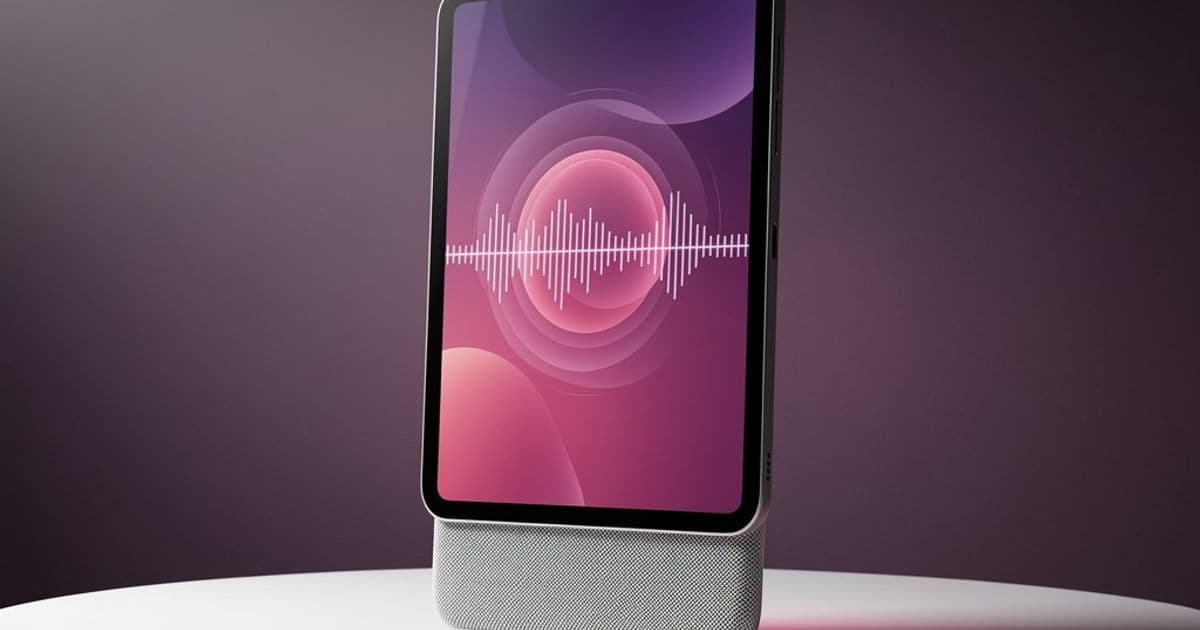
After months of delays tied to Siri's AI overhaul, Apple's rumored touchscreen HomePod is now targeting a spring 2026 launch, potentially arriving alongside iOS 26.4's long-awaited Siri upgrades.
The long-rumored Apple HomePad—also referred to as HomePod Touch—is finally getting a concrete launch window. According to a new report from The Information, Apple's touchscreen-equipped home device could be released as soon as this spring, marking the end of a nearly year-long delay that was directly tied to the company's AI ambitions.
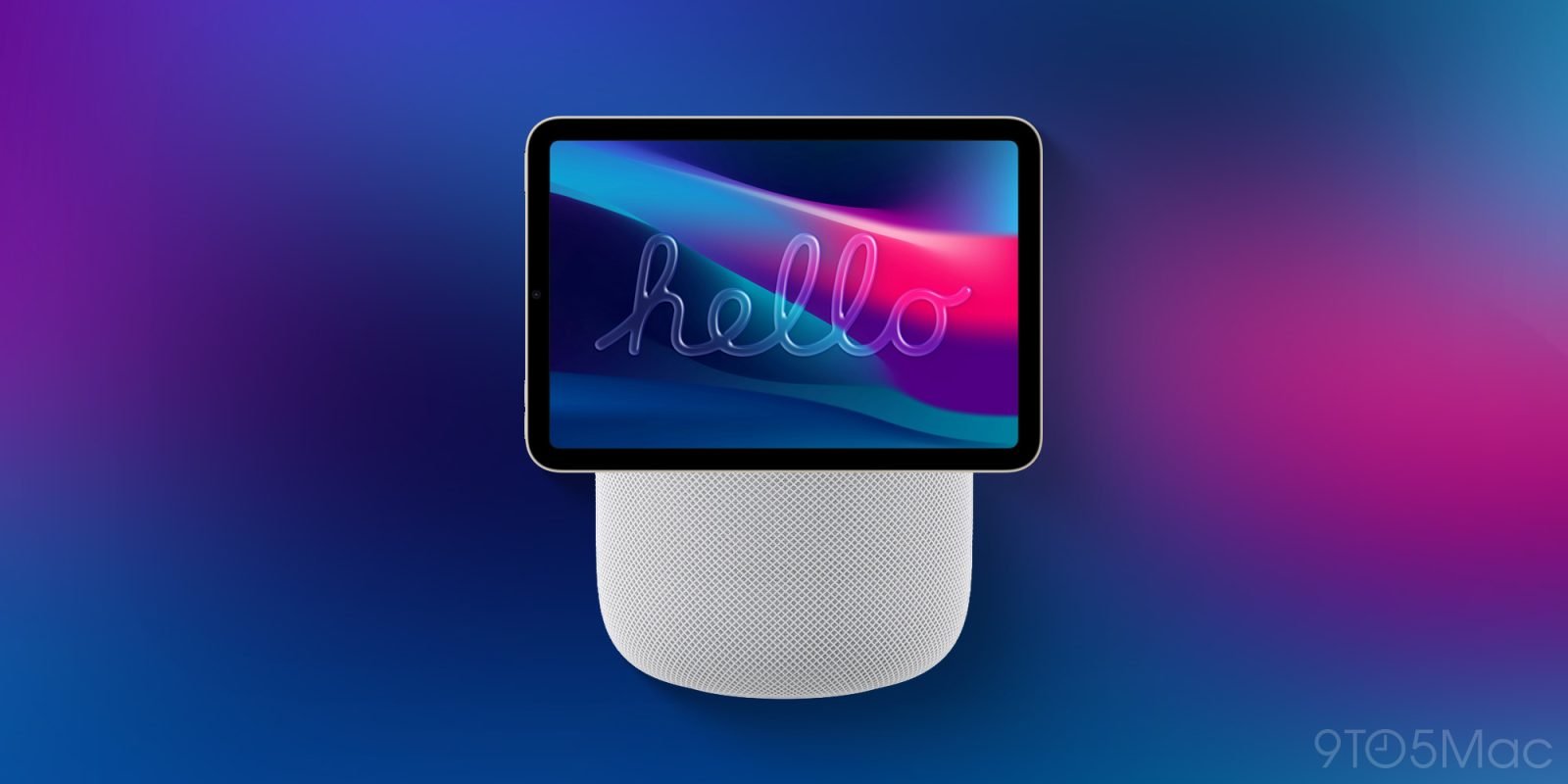
The timeline shift comes after Apple's original launch plan was derailed in 2025. When Mark Gurman at Bloomberg first detailed the device in fall 2024, Apple was targeting a March 2025 release alongside major Siri AI upgrades. Those Siri enhancements, however, were delayed, and the HomePad launch was pushed back indefinitely as a result. Now, with iOS 26.4 expected to deliver the supercharged Siri this spring, Apple appears ready to launch the hardware alongside the software.
The Information's report describes a home product featuring a small display, speakers, and a "robotic swiveling base," designed with a heavy emphasis on AI features. Gurman has since disputed the robotic base detail, suggesting that's actually a separate product slated for next year. The core concept—a touchscreen HomePod with enhanced AI capabilities—remains consistent across reports.
This launch timing is particularly significant given the recent Apple-Google AI partnership. The collaboration, which brings Google's Gemini models to Apple devices, provides the AI infrastructure that could power the HomePad's most compelling features. Unlike current HomePods that rely primarily on Siri for voice commands, the HomePad would likely offer a visual interface for smart home control, media playback, and AI-assisted tasks.
For Apple's ecosystem, the HomePad represents a strategic move to deepen home integration. Current HomePod users can control smart home devices via voice, but a touchscreen interface would enable more complex interactions—like browsing photo albums, viewing security camera feeds, or managing complex automation scenes. The device would also serve as a central hub for Apple's growing smart home platform, which now includes Matter support and expanded HomeKit compatibility.
The timing also suggests Apple is positioning the HomePad as a direct competitor to Amazon's Echo Show and Google's Nest Hub. While those devices have offered screens for years, Apple has been notably absent from this segment. A spring launch would give Apple a head start on the 2026 smart home market, potentially capturing users who've been waiting for an Apple-branded touchscreen hub.
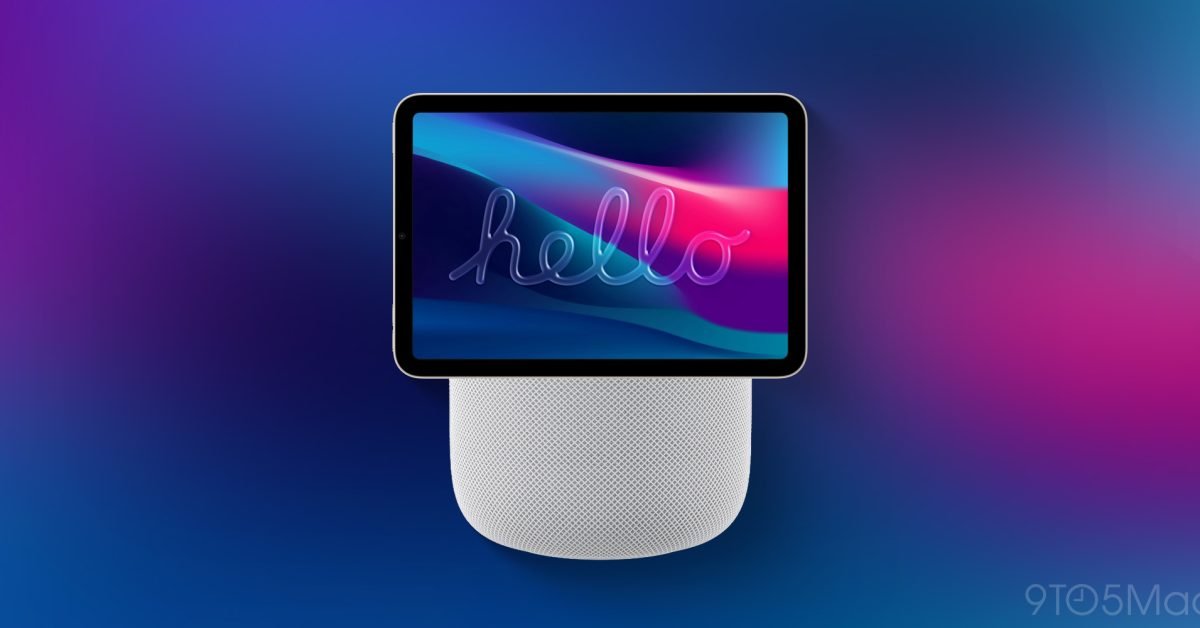
For consumers considering the device, the spring launch window means we should see official announcements at Apple's typical spring event, likely in March or April. Pricing remains unclear, but given the premium positioning of HomePod products, expect it to slot in above the $99 HomePod mini and below the $299 HomePod (2nd gen). The device will almost certainly require an iPhone or iPad for initial setup and will integrate deeply with Apple's services like Apple Music, Apple TV+, and iCloud Photos.
The HomePad's success will largely depend on two factors: the quality of the new Siri AI features and the breadth of third-party smart home support. If Siri can reliably understand complex commands and the device supports a wide range of Matter-compatible devices, it could become the centerpiece of many Apple-centric smart homes. If the AI feels limited or the ecosystem remains restrictive, it may struggle to compete with more open platforms.
As we approach spring, expect more details to emerge about specific features, pricing, and availability. For now, the HomePad represents Apple's most significant home product since the original HomePod's 2018 launch, and its success could reshape how Apple users interact with their living spaces.
Related Links:
Comments
Please log in or register to join the discussion