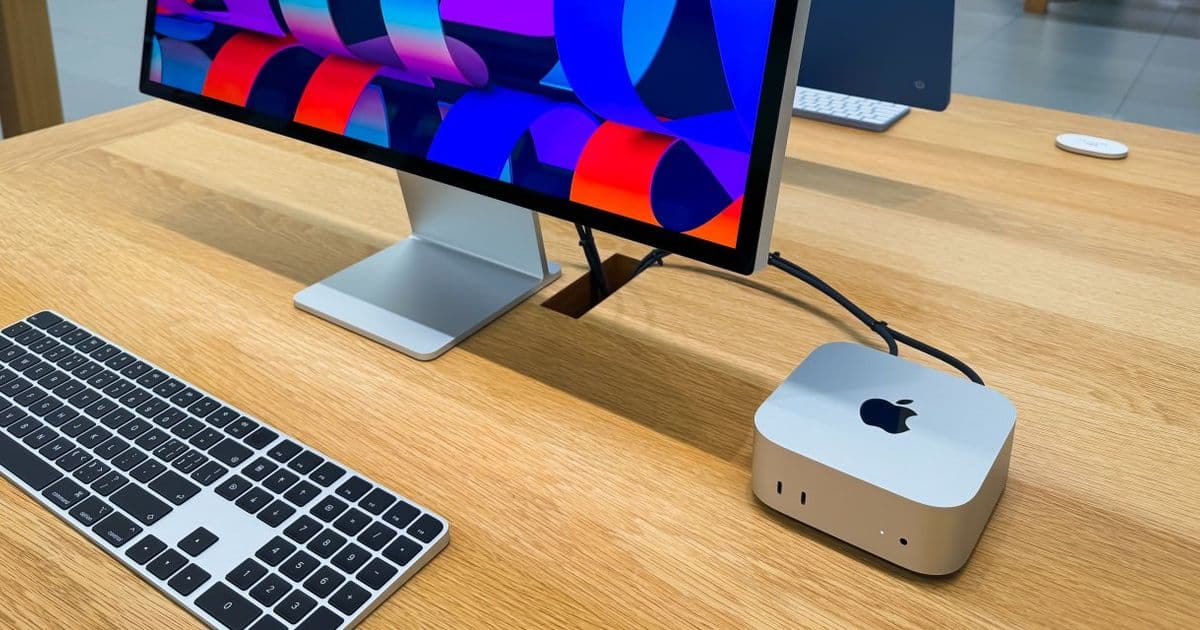
Apple announces plans to move Mac Mini production from Asia to Houston by late 2026, part of its $600B US investment strategy amid industry-wide reshoring efforts.
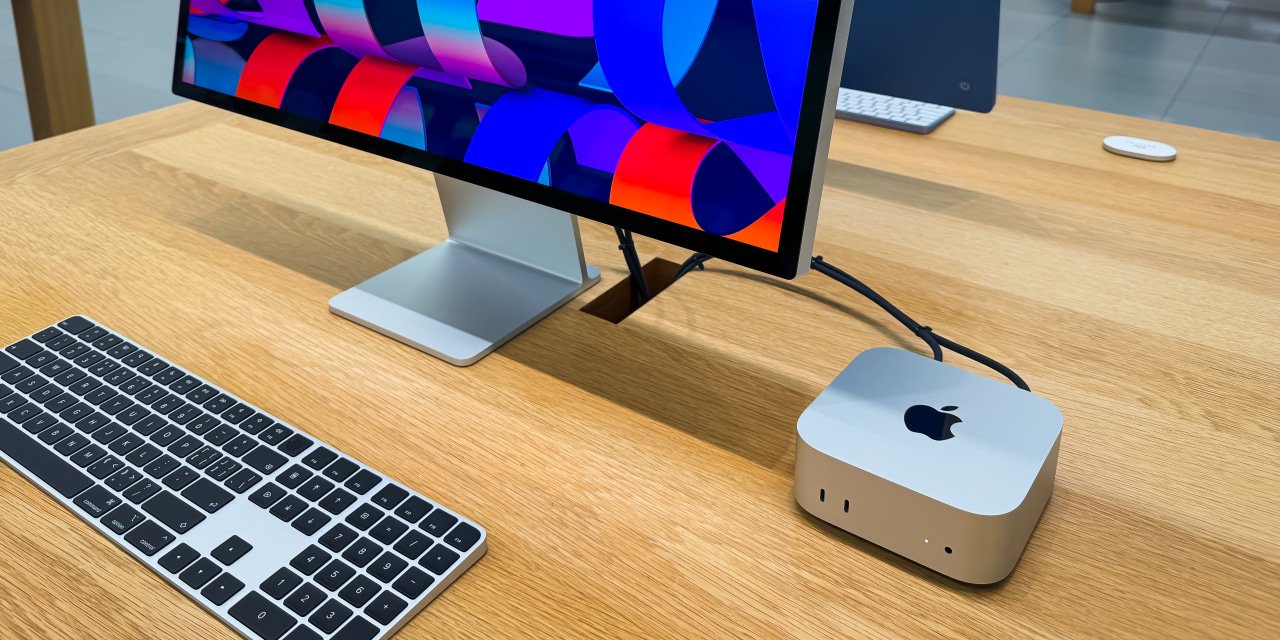
Tech manufacturing's gravitational pull continues shifting westward as Apple confirms plans to relocate partial Mac Mini production from Asia to Houston, Texas by late 2026. The move leverages Foxconn's existing Texas facility and anchors Apple's broader pledge to invest $600 billion in US operations over four years. This reshoring initiative arrives amid parallel efforts to rebuild America's semiconductor supply chain, including Apple's commitment to purchase over 100 million chips annually from TSMC's Arizona fab starting in 2026.
The Houston relocation targets Apple's compact desktop workhorse – the Mac Mini – which occupies a strategic position in professional and educational markets. While Apple hasn't disclosed production volumes, the shift represents a tactical expansion beyond iPhone assembly in Texas. Foxconn's Houston-area facility will require retooling for desktop manufacturing, creating hundreds of local jobs while testing the viability of high-volume computer production outside traditional Asian hubs.
This decision extends beyond simple economics. Geopolitical tensions and pandemic-era supply chain disruptions have accelerated tech's manufacturing repatriation, with TSMC, Samsung, and Intel collectively investing over $100 billion in US chip fabs since 2022. Apple's $600 billion commitment dwarfs these figures by encompassing retail expansion, data center construction, and supplier development alongside manufacturing. The scale suggests systemic realignment rather than symbolic gestures.
Yet significant hurdles persist. Industry analysts note US electronics manufacturing faces a 15-30% cost premium versus Asian counterparts, compounded by shortages of specialized technicians. "Reshoring looks compelling on spreadsheets until you account for workforce retraining and infrastructure gaps," cautions a supply chain advisor for competing hardware firms. Environmental concerns also emerge, as Texas' power grid struggles with reliability despite Apple's pledge to use renewable energy for its operations.
The political dimension remains equally complex. While reshoring aligns with bipartisan industrial policy, Apple faces criticism for incrementalism. Only specific product lines like Mac Mini – representing under 5% of Mac shipments – are initially transitioning. Critics argue the pace contradicts Apple's $60 billion annual R&D budget and $120 billion cash reserves. "This feels like testing waters rather than genuine transformation," notes a manufacturing policy researcher at MIT.
Concurrently, Apple is securing its silicon foundations through TSMC's Arizona operations. The $40 billion Phoenix complex will supply Apple with 4nm and eventual 3nm chips, reducing dependency on Taiwanese and Korean fabs during escalating cross-strait tensions. This dual approach – finished goods assembly plus chip sourcing – creates a template for diversified tech supply chains.
Industry observers now monitor whether other manufacturers follow suit. Dell and HP recently expanded US PC production capacities, but primarily for enterprise contracts rather than consumer lines. The Mac Mini experiment could demonstrate whether mainstream computing devices can viably shift production amid wage differentials and logistical constraints. As trade policies evolve and automation advances, Apple's Houston move may become either a cautionary tale or blueprint for tech's next manufacturing era.
Relevant links:
Comments
Please log in or register to join the discussion