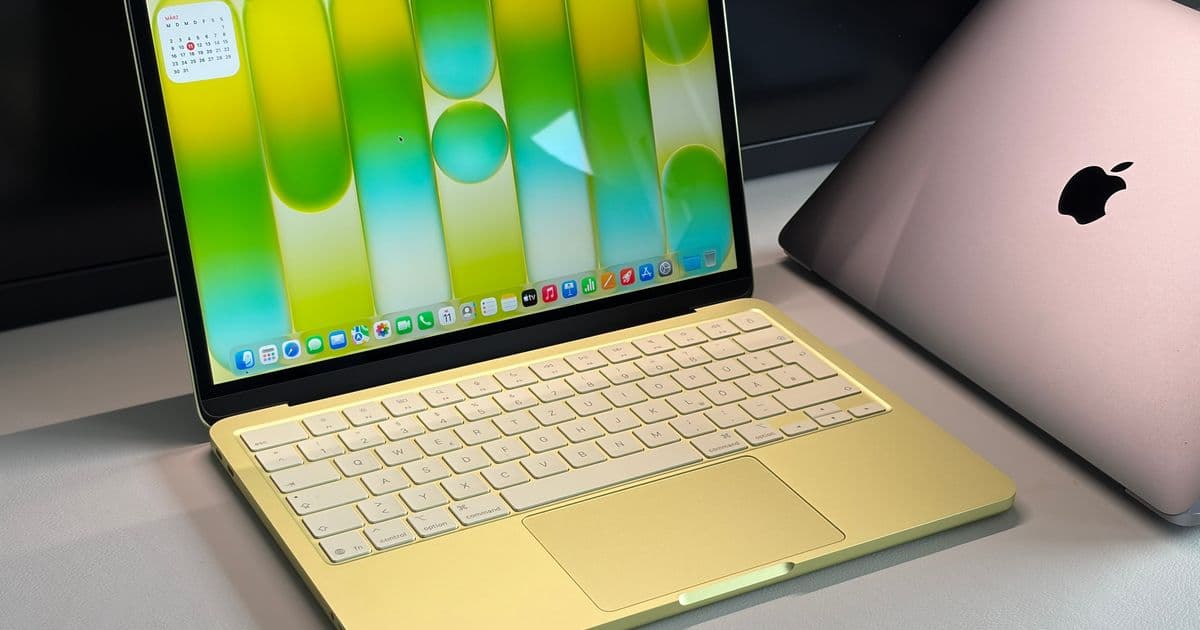
Apple's new budget MacBook Neo brings iPhone-class performance to a traditional laptop form factor at an aggressive $599 price point, but its A18 Pro processor raises questions about whether smartphone silicon can truly replace laptop-grade hardware.
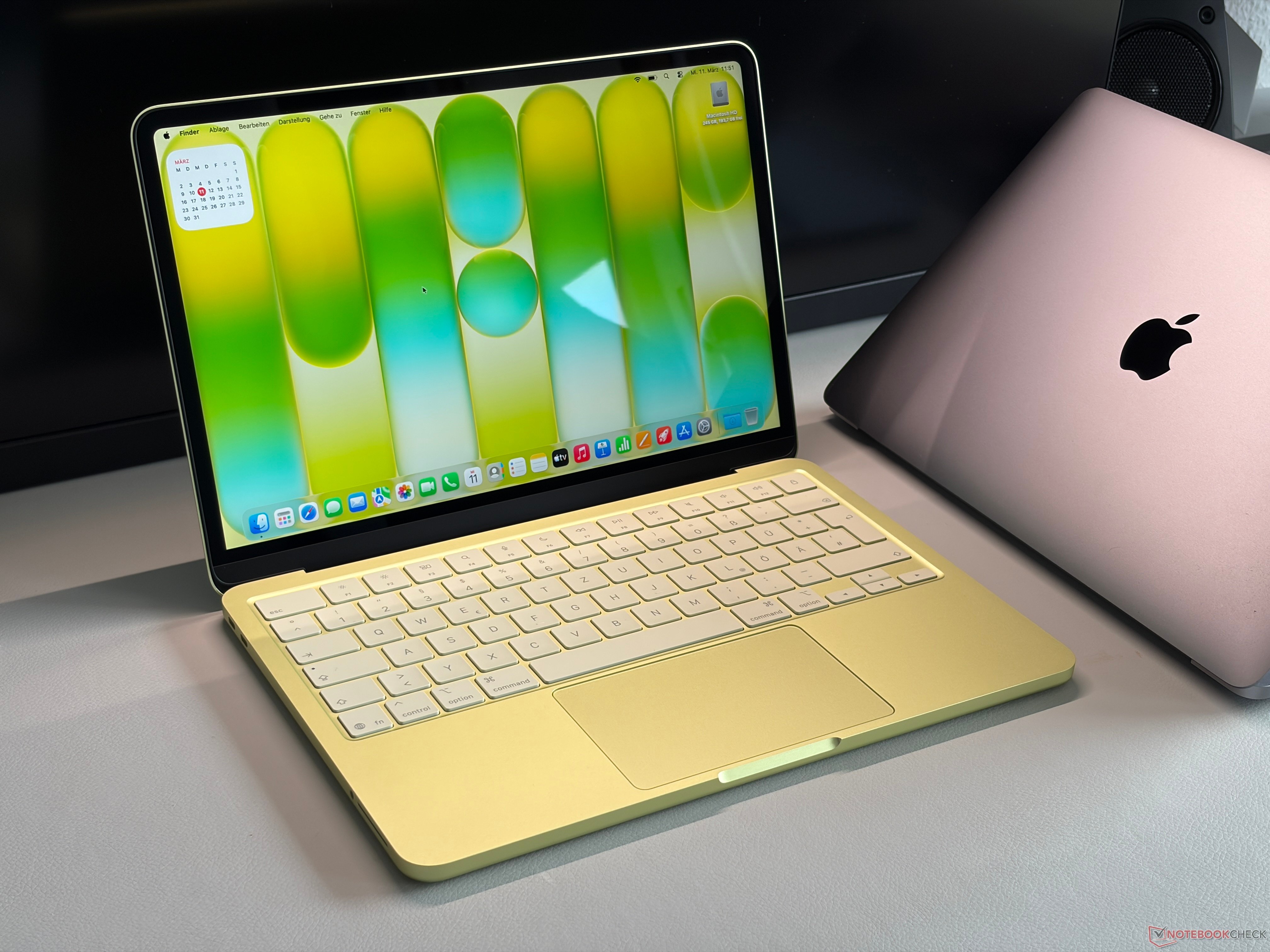
Apple has officially launched its most affordable MacBook yet - the MacBook Neo, a $599 laptop that brings iPhone-class performance to a traditional clamshell design. After spending several days with the base model in citrus color, we can share our initial impressions of this intriguing budget offering that aims to expand Apple's laptop market share.
What's new with the MacBook Neo
The MacBook Neo represents Apple's most aggressive pricing strategy for a new MacBook model. Starting at $599 (or $499 for education customers), it undercuts even the base MacBook Air M1 from previous generations. The laptop is powered by Apple's A18 Pro processor - the same chip found in last year's iPhone 16 Pro. This marks a significant departure from Apple's typical laptop strategy, as it's the first MacBook to use a smartphone-derived processor.
The base model comes with 8 GB RAM and 256 GB SSD storage, while a $699 configuration adds a 512 GB SSD and Touch ID fingerprint scanner. Available colors include citrus, silver, indigo, and blush.
Design and build quality
Our initial impressions confirm that the MacBook Neo feels like a genuine MacBook. The aluminum chassis maintains Apple's premium build quality, and the typing experience matches what users expect from the brand. However, there are some notable omissions: the keyboard lacks backlighting, which is a significant disadvantage for many users who work in varied lighting conditions.
The new mechanical clickpad can be clicked across the entire surface and provides consistent feedback, though it's smaller than what you'll find on the MacBook Air. This trackpad design choice seems like a cost-saving measure but doesn't significantly impact usability.
Display performance
The 13-inch IPS display delivers the familiar Apple quality we've come to expect. Colors appear rich and images are clear, with good overall brightness. Notably, the display includes a brightness sensor - a feature that's rare in this price range and typically found on more expensive laptops. This automatic brightness adjustment works well in practice, though we'll need to test it more extensively to evaluate its accuracy and responsiveness.
Performance impressions
During initial setup and basic usage, the MacBook Neo performed admirably. We installed apps from the App Store, downloaded files via Safari, and copied applications from an external SSD simultaneously without any noticeable slowdowns. The subjective performance feels comparable to the new MacBook Air 13 that we recently reviewed.
This similarity in performance is particularly interesting given that the MacBook Neo uses a smartphone processor while the MacBook Air uses Apple's M-series chips designed specifically for laptops. The A18 Pro, while powerful for a phone chip, lacks the thermal headroom and core count typically associated with laptop-class processors.
Cooling and noise
One of the MacBook Neo's standout features is its passive cooling system. The laptop runs completely silent during operation, which is a significant advantage for users who work in quiet environments or simply prefer silent computing. This passive cooling design likely contributes to the laptop's slim profile and helps justify the use of a less powerful processor that doesn't generate as much heat.
Who is this for?
The MacBook Neo appears targeted at budget-conscious consumers who want the Apple ecosystem experience without the premium price tag. It's particularly well-suited for:
- Students and education customers who can get the $499 pricing
- Users with basic computing needs like web browsing, document editing, and media consumption
- Current iPhone users who want seamless integration with their existing Apple devices
- Anyone who values silent operation and doesn't need maximum performance
The big question: Can smartphone silicon replace laptop processors?
The MacBook Neo raises an interesting philosophical question about the future of laptop computing. Apple has successfully demonstrated that its smartphone processors can handle basic laptop tasks, but there are limitations to consider:
- The A18 Pro has fewer cores than Apple's M-series chips
- It lacks the dedicated neural engine and graphics capabilities of laptop-class processors
- Multitasking with demanding applications may reveal performance bottlenecks
- Long-term performance under sustained workloads remains to be seen
What's next
We'll be conducting our comprehensive review with detailed benchmarks, battery life testing, thermal performance analysis, and real-world usage scenarios. If you have specific tests or use cases you'd like us to evaluate, please share them in the comments below.
The MacBook Neo represents an intriguing experiment in bringing smartphone economics to laptop computing. At $599, it offers compelling value, but whether it can truly replace a traditional laptop for most users remains to be determined through our full testing process.
Comments
Please log in or register to join the discussion