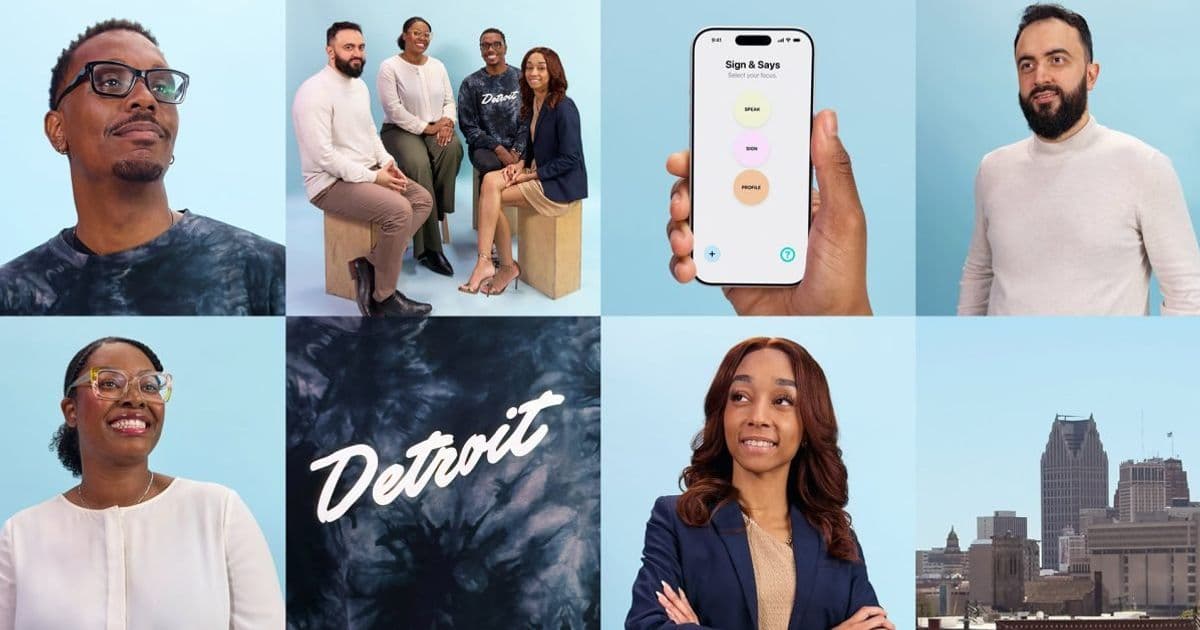
Apple’s Detroit Developer Academy celebrated its fifth cohort, highlighting four alumni and their projects while addressing recent questions about graduate outcomes.
Apple spotlights Detroit app makers as local Developer Academy marks fifth graduating class
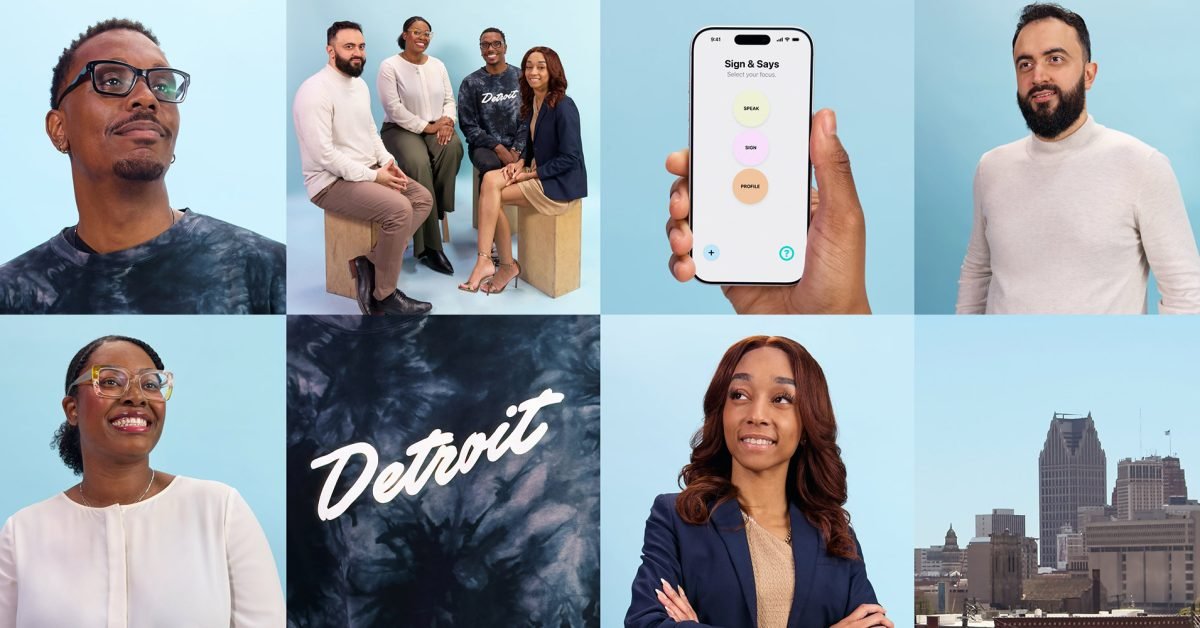
Apple announced the graduation of the fifth class from its Detroit Developer Academy, a free nine‑month program that blends iOS development, design, and business training. The academy, launched in 2021 as part of Apple’s Racial Equity and Justice Initiative, remains the only U.S. location in a network that now spans six countries.
What the update means for developers
The latest cohort includes 200 Detroit residents who have completed the core curriculum and the four‑week intensive Apple Foundation Program. Graduates walk away with hands‑on experience in the current iOS SDK (iOS 18) and Xcode 15, as well as exposure to Swift 6 language features such as async‑let and improved pattern matching. Those tools are now the baseline for any new App Store submission, so the academy’s focus on the latest stack keeps its alumni competitive.
Beyond the Apple‑specific stack, the program teaches cross‑platform fundamentals: Flutter basics, React Native project structure, and API design that works with both REST and GraphQL. This broader view helps graduates position themselves for roles that require building for Android, web, or even emerging platforms like Vision Pro.
Developer impact: real‑world projects
Apple highlighted four alumni whose work illustrates how the academy’s curriculum translates into market‑ready products:
| Alumni | Project | Key technologies |
|---|---|---|
| Courey Jimenez | Sign & Says – a PECS‑style communication app that adds American Sign Language icons. | SwiftUI, CoreML for sign‑recognition, Accessibility APIs (VoiceOver, Switch Control). |
| Saamer Mansoor | BeAware Deaf Assistant – an on‑device speech‑to‑text and vibration‑alert system for the deaf community. | Speech framework, Combine, background processing, integration with Android via a shared Kotlin‑Multiplatform module. |
| Briaca Duesette | Animation Discovery Studio – a marketplace for independent animators to showcase short clips. | SwiftUI, StoreKit 2 for in‑app purchases, CloudKit for asset storage, cross‑platform UI built with Compose for Android. |
| Nick Gordon | DevsCreate313 – a nonprofit that runs hackathons and mentorship programs across Michigan. | Firebase for real‑time data, Swift Package Manager for modular code, React Native for the companion Android app. |
These projects demonstrate a pattern: graduates start with native iOS prototypes, then extend functionality to Android or web using shared APIs or multiplatform frameworks. That approach aligns with industry expectations that a modern mobile developer can ship to multiple stores without rewriting core business logic.
Migration and next steps for alumni
For graduates who have already shipped an iOS‑only version, the academy recommends a staged migration path:
- Audit the codebase – Identify UI‑only layers that can be extracted into SwiftUI views. SwiftUI’s declarative syntax makes it easier to map components to React Native or Flutter widgets later.
- Introduce a shared data layer – Move networking and persistence code into a Swift package (or Kotlin‑Multiplatform module) that exposes a clean API. This isolates platform‑specific UI from business logic.
- Select a cross‑platform target – If the goal is Android coverage, Flutter offers a single‑code‑base UI with strong performance. For teams that already use JavaScript, React Native reduces the learning curve.
- Implement platform adapters – Write thin wrappers that translate the shared data API into platform‑specific services (e.g.,
URLSessionon iOS,OkHttpon Android). - Test on both stores – Use Xcode 15’s TestFlight and Google Play’s internal testing tracks to validate the experience before a public release.
Apple’s own documentation on Swift Package Manager and Multiplatform development with Kotlin provides detailed guidance for each step.
Context and future outlook
The academy’s impact has been measured in several ways. A recent Wired article questioned the program’s job‑placement rate, citing a 71 % full‑time employment figure for the past two years. Apple responded that many graduates apply their skills in non‑coding roles—product management, UX research, and community outreach—where the same toolkit is valuable.
From a technical perspective, the emphasis on the latest SDKs means alumni are already familiar with features like Live Activities, SharePlay extensions, and Vision Pro spatial interactions. Those capabilities are increasingly requested by startups that want to differentiate their apps on the App Store.
Looking ahead, the Detroit Academy plans to expand its partnership with Michigan State University to offer a dual‑degree track that combines a B.S. in Computer Science with the Academy’s hands‑on curriculum. The addition of a formal degree could improve employment statistics and give graduates a stronger credential when applying to larger firms.
For anyone maintaining apps on both iOS and Android, the Detroit Developer Academy serves as a case study in how focused, up‑to‑date training can produce developers who are comfortable navigating native and cross‑platform ecosystems. The highlighted alumni illustrate that the skills taught—Swift 6, modern UI frameworks, API design, and a mindset for multi‑store deployment—translate directly into marketable products and community impact.
Read the full Apple Newsroom story here.
Comments
Please log in or register to join the discussion