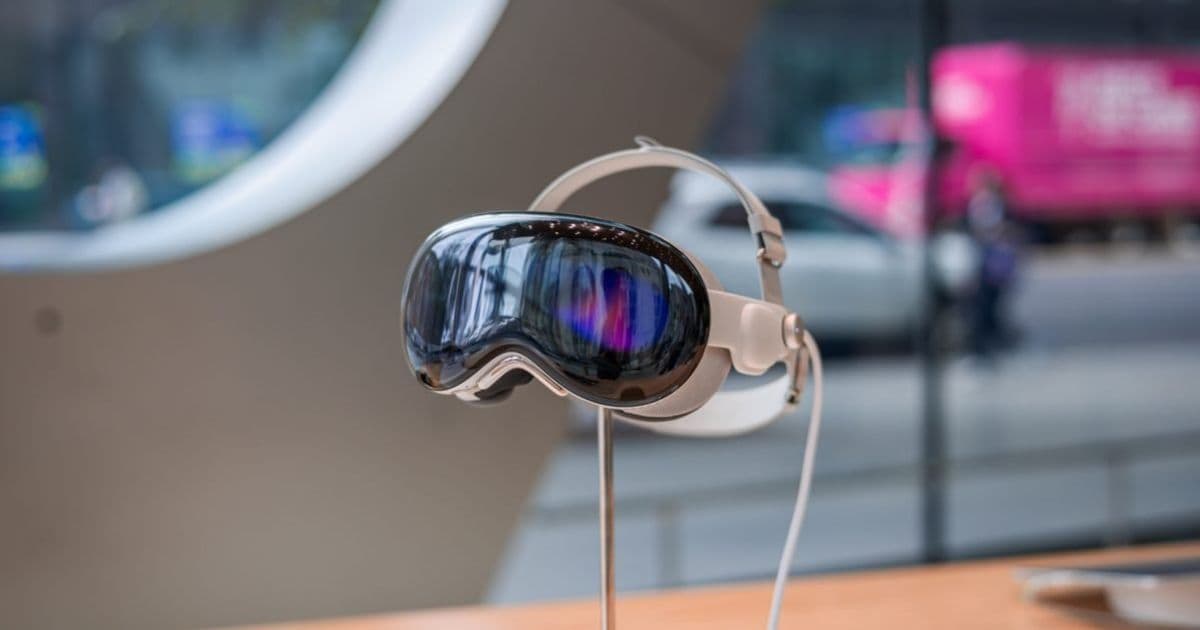
Apple's Vision Pro has faced significant leadership challenges that have affected its development trajectory and developer ecosystem. With Tim Cook's approach to decision-making and reported internal opposition to the product's direction, the platform has struggled to find its footing. As John Ternus prepares to take over as CEO, developers face uncertainty about the platform's future direction, SDK support, and cross-platform compatibility.
Apple Vision Pro has been one of the most perplexing Apple product launches in recent history. Positioned as the beginning of an entirely new product category and the next generation of computing, it has often felt like an afterthought within the company's broader strategy. Under the impending leadership of John Ternus, there's hope that Vision Pro might finally realize its potential, though significant challenges remain.
The Current State of VisionOS
Vision Pro attempts to be many things to many users, resulting in a platform that excels at nothing in particular. The Mac Virtual Display functionality offers impressive capabilities, yet the headset's weight makes extended use uncomfortable. Media consumption experiences are compelling, but the lack of native apps from major streaming platforms limits utility. Multitasking shows promise, but input methods remain cumbersome with poor dictation capabilities and awkward virtual keyboards.
From a developer perspective, VisionOS presents both opportunities and frustrations. The visionOS SDK provides powerful tools for creating spatial computing experiences, but the platform's uncertain future makes investment decisions difficult. The current state of the SDK reflects the platform's identity crisis—it's neither fully fleshed out nor clearly positioned in the market.
Leadership Challenges and Their Impact
The reported indecisive leadership surrounding Vision Pro has directly impacted its development trajectory. Tim Cook, while reportedly a believer in AR, has approached Vision Pro as merely a stepping stone rather than a destination product. This hesitation has manifested in several ways:
- Resource Allocation: Vision Pro has received inconsistent attention and resources, with teams reportedly pulled in different directions.
- Strategic Direction: The platform lacks a clear vision, with features appearing without cohesive integration.
- Developer Support: Apple has not adequately incentivized developers to build compelling native applications.
John Ternus, who will become CEO in September 2026, presents an interesting case. Reports indicate he was opposed to Vision Pro in its current form factor early on. This skepticism could be either beneficial or detrimental, depending on how it manifests in his leadership. His public optimism about Vision Pro being "in the early innings" suggests recognition of the platform's potential, but concrete actions remain to be seen.
Developer Impact and SDK Considerations
For developers navigating the VisionOS ecosystem, the leadership challenges create several practical concerns:
- API Stability: Frequent changes in visionOS direction have led to API instability, making long-term development planning difficult.
- Cross-Platform Challenges: Creating experiences that work well across iPhone, iPad, and Vision Pro requires significant additional resources without clear ROI.
- Market Uncertainty: The high price point and limited adoption make it challenging to justify development investment.
The visionOS SDK, while technically impressive, reflects this uncertainty. Documentation can be inconsistent, and some APIs feel incomplete or experimental. Developers must carefully consider which features to build upon, knowing that some may be deprecated or reimagined under new leadership.
Cross-Platform Development Considerations
Apple's push for cross-platform compatibility through frameworks like SwiftUI has been partially successful, but Vision Pro presents unique challenges. The spatial computing paradigm differs significantly from traditional interfaces, requiring developers to think in three dimensions.
Cross-platform development tools like Unity and Unreal Engine have made strides in supporting VisionOS, but the learning curve remains steep. For teams already maintaining iOS and iPadOS applications, adding Vision Pro support means essentially developing a third platform with its own design patterns and user expectations.
Future Outlook Under New Leadership
With John Ternus set to take over as CEO in September 2026, several factors will shape Vision Pro's future:
- visionOS 27 Development: Already in progress, this version will reflect current leadership priorities and may set the direction for years to come.
- Hardware Roadmap: The reportedly shelved Vision Air suggests Apple may be rethinking its hardware strategy for the platform.
- Developer Relations: New leadership could bring renewed focus on developer support and incentives.
A potential Vision Pro renaissance under Ternus likely won't materialize until at least 2028, based on current development cycles. This extended timeline presents challenges for developers who need to plan their resources and development roadmaps.
Recommendations for Developers
Given the current uncertainty, developers should consider the following approaches:
- Start Small: Begin with experimental projects that can provide insights without significant investment.
- Leverage Existing Skills: Build upon existing iOS/iPadOS knowledge where applicable, but be prepared to learn new paradigms.
- Monitor Leadership Changes: Pay close attention to organizational changes and public statements from John Ternus as he transitions into his CEO role.
- Diversify Platforms: Don't rely exclusively on Vision Pro for business viability, but maintain awareness of developments.
The Vision Pro's journey reflects broader challenges in emerging computing platforms. Without clear leadership and consistent vision, even the most technologically advanced products struggle to find their place in the market. As Apple navigates this transition, developers will need to balance optimism about spatial computing's potential with pragmatic assessment of the platform's near-term viability.
For developers interested in exploring VisionOS capabilities, the official Apple Developer documentation remains the most comprehensive resource, though community forums and third-party tutorials may offer more practical insights given the platform's still-evolving nature.
Comments
Please log in or register to join the discussion