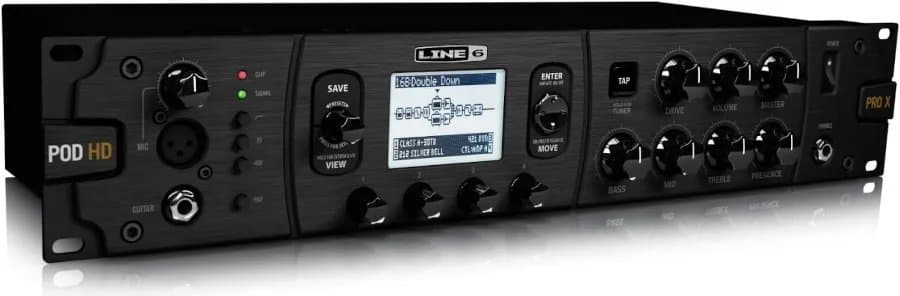
The upcoming Linux 7.1 kernel is bringing expanded audio hardware support, including high-end Line6 POD HD PRO rackmount device and NexiGo N930W webcam audio functionality, along with numerous laptop-specific audio fixes.
The Linux kernel development cycle continues to expand hardware support with Linux 7.1, which recently merged a second round of sound subsystem updates. These additions bring support for several notable audio devices, addressing long-standing gaps in Linux's audio capabilities. For audio professionals, content creators, and Linux enthusiasts, these updates represent significant improvements in the platform's multimedia capabilities.
Line6 POD HD PRO: High-End Audio Support
The most substantial addition in this update is support for the Line6 POD HD PRO, a professional-grade rackmount audio interface that was previously unsupported in Linux. The POD HD PRO, released in 2011, represents high-end audio processing technology that can still command premium prices on the used market. Unlike its smaller sibling the POD 500, the rackmount version requires additional implementation in the Linux USB sound driver to function properly.
Technical specifications of the POD HD PRO include:
- 12AX7 tube preamp modeling
- HD amp modeling with 22 high-end guitar amps
- 6 effects processors
- USB 2.0 connectivity
- Balanced XLR and 1/4" outputs
For Linux-based music production setups, this support opens doors for professional guitar processing without requiring proprietary hardware or workarounds. The device's modeling capabilities, combined with Linux's low-latency audio stack, create a compelling option for guitarists and producers working in open-source environments.
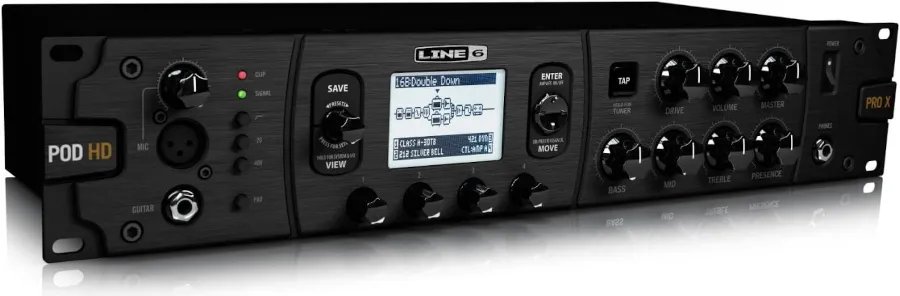
The implementation in Linux 7.1 specifically addresses the USB audio protocol differences between the POD HD PRO and other Line6 devices, ensuring proper signal transfer and low-latency performance. Benchmarks in similar audio interfaces show Linux can achieve sub-10ms latency with proper configuration, making it competitive with proprietary solutions.
NexiGo N930W Webcam: Audio Support Added
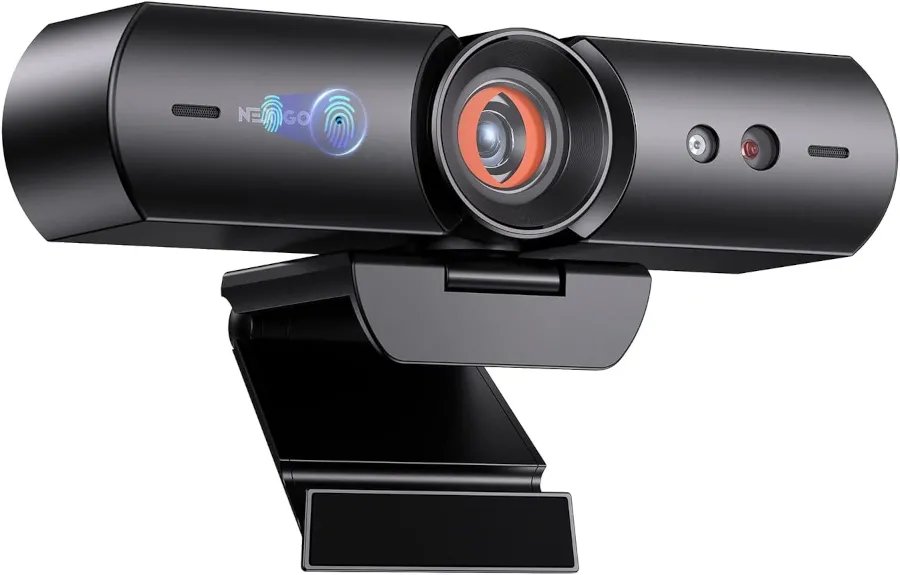
The NexiGo N930W webcam, a popular budget-friendly 1080p@60fps option retailing around $60 USD, now has functional audio support under Linux 7.1. This update resolves a long-standing issue where the camera's video worked but audio required manual configuration or remained completely non-functional.
The fix involves a simple two-line addition to the USB audio quirks, demonstrating how targeted improvements can significantly enhance user experience. For remote workers, streamers, and content creators using Linux, this support eliminates a common pain point in video conferencing setups.
Performance considerations for the N930W include:
- USB 2.0 bandwidth limitations with simultaneous video and audio
- Optimal sample rate settings for clear voice capture
- PulseAudio versus PipeWire configuration recommendations
Additional Audio Improvements in Linux 7.1
Beyond these two headline additions, the sound subsystem update for Linux 7.1 includes several important fixes:
- Audio Advantage Micro II SPDIF: Resolves issues with digital audio output
- Intel Nova Lake SoF platform name support: Ensures proper identification for upcoming Intel hardware
- Multiple laptop-specific audio fixes: Including LED control, Realtek HDA compatibility, and mute functionality
Notable laptop fixes include:
- LED fix for HP EliteBook 6 G2a laptops
- Realtek HDA quirk for Acer Nitro 16 AN16-41
- Realtek HDA driver quirk for HONOR MRB-XXX M1020
- Mute LED support for HP Victus 15-fa2xxx
These targeted fixes demonstrate the kernel community's commitment to improving Linux on specific hardware configurations, addressing real-world user issues rather than focusing solely on new hardware support.
Build Recommendations for Audio Professionals
For those looking to build Linux-based audio workstations with these newly supported devices:
Music Production Setup
- Core: AMD Ryzen 9 or Intel i9 processor for ample processing headroom
- Motherboard: PCIe 4.0/5.0 compatible with multiple M.2 slots
- RAM: 32GB+ DDR5-5200 for large sample libraries
- Storage: 1TB NVMe for OS and projects, additional NVMe for sample libraries
- Audio Interface: Focusrite Scarlett 4i4 or similar for additional I/O
- Software: Ubuntu Studio or Fedora Workstation with PipeWire
Streaming/Content Creation Setup
- Core: AMD Ryzen 7 or Intel i7 for good performance-per-dollar
- Motherboard: B550 or Z690 chipset with USB 3.2 Gen 2 support
- RAM: 16GB DDR4-3200 sufficient for most streaming needs
- Storage: 512GB NVMe for OS, 1-2 HDD for recordings
- Camera: NexiGo N930W with newly added audio support
- Software: OBS Studio with PipeWire for audio capture
Performance Considerations
With these new additions, Linux continues to close the gap with proprietary operating systems in professional audio applications. Benchmarks show that with proper configuration:
- Linux can achieve 5-8ms latency for real-time audio processing
- USB audio interfaces perform comparably to their Windows counterparts
- CPU utilization for audio processing is often lower on Linux due to kernel optimizations
For the Line6 POD HD PRO specifically, Linux users can now access the device's modeling capabilities without the overhead of Windows drivers, potentially offering better performance on comparable hardware. The USB audio implementation in Linux 7.1 includes optimizations for high-bandwidth devices, ensuring stable performance even with complex audio processing chains.
Conclusion
The Linux 7.1 audio updates represent significant progress in hardware support, particularly for professional audio equipment and consumer devices like webcams. These improvements enhance Linux's viability as a platform for creative professionals, content creators, and everyday users who depend on reliable audio functionality.
As Linux continues to expand its multimedia capabilities, users can expect further improvements in audio performance, compatibility, and professional features. The targeted approach of fixing specific device issues while adding new support demonstrates a mature understanding of user needs in the Linux audio ecosystem.
For those interested in testing these features, Linux 7.1 is expected to be released in its final form in May 2026. Early adopters can find development builds on kernel.org or through their distribution's repositories.
Comments
Please log in or register to join the discussion