Evidence suggests Google is preparing to rebrand Fitbit services as 'Google Health,' potentially ending the standalone Fitbit brand after its 2019 acquisition.
Google appears to be planning a significant reorganization of its health and fitness portfolio, potentially phasing out the Fitbit brand in favor of a unified 'Google Health' ecosystem. This move would mark the end of an era for the fitness tracking pioneer that Google acquired in 2019 for $2.1 billion.
The evidence for this potential rebranding comes from multiple sources. In several European markets, the Google Play Store now references 'Google Health Premium' when purchasing Pixel Watch or Fitbit devices. This subtle change in nomenclature has sparked speculation that Google intends to consolidate all its health and fitness services under a single, cohesive brand identity. 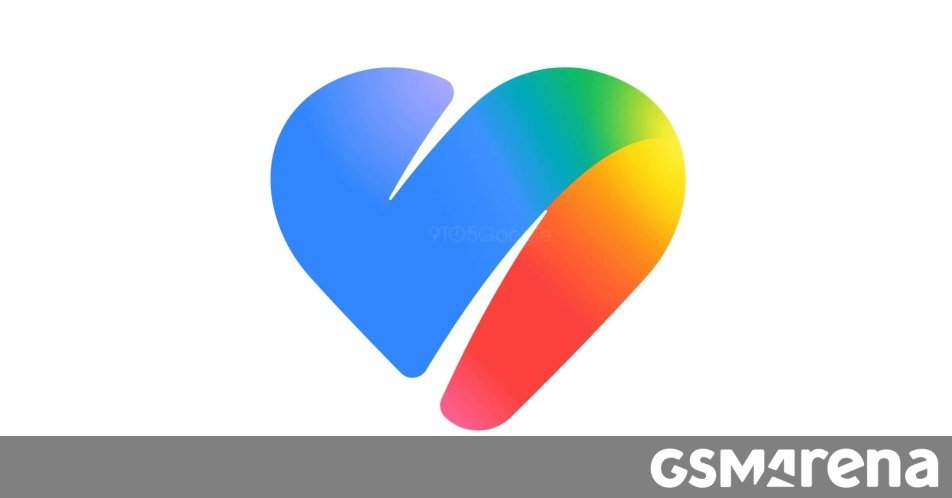
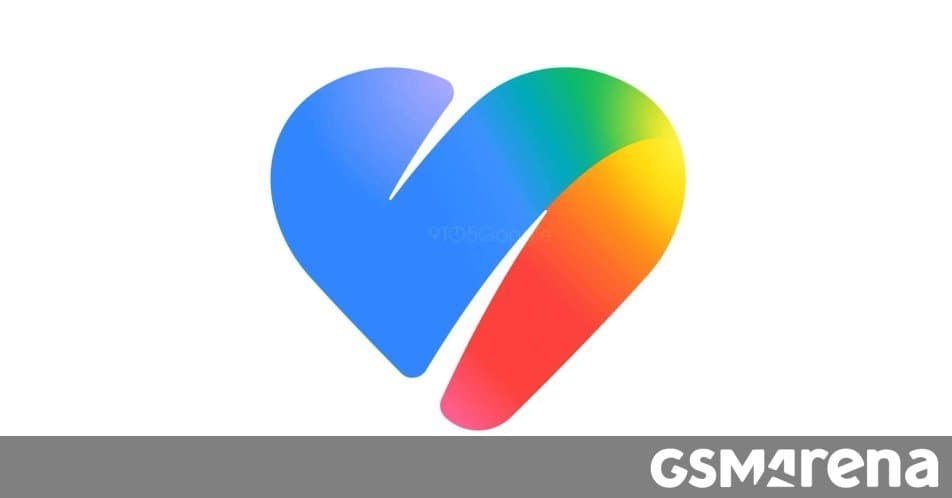
Supporting this theory is what appears to be a leaked Google Health logo featuring a paint-stroke heart icon in Google's signature gradient color scheme. The design suggests a fresh visual identity that would replace Fitbit's current branding across software interfaces and marketing materials.
Further evidence comes from Apple's App Store, where listings for in-app purchases now show 'Google Health Premium' options priced identically to current Fitbit Premium subscriptions. While these listings have since been removed from app stores—common practice for unreleased features—they provide strong indication of Google's direction. Importantly, these references suggest that Google Health Premium will remain separate from Google's other subscription offerings like Google One or the new AI Pro/Ultra bundles.
The current Fitbit Premium service is only bundled as a perk with Google's general subscription in the UK market, with no expansion to other regions announced yet. This limited bundling could indicate that Google plans to position Health Premium as a standalone offering rather than integrating it more broadly across its services.
However, not all signs point to a complete disappearance of the Fitbit brand. Reports suggest that Google's next display-less fitness tracker might be called the 'Google Fitbit Air,' indicating that the hardware branding could continue, at least for now. This hybrid approach would mirror strategies used by other tech companies that acquire brands but maintain some level of separate identity for specific product lines.
This potential rebranding aligns with Google's broader health and wellness ambitions. The company has been increasingly positioning itself as a comprehensive health platform, with services spanning from wearables to health data analysis. A unified Google Health brand could strengthen this positioning in a competitive market where Apple's Health ecosystem continues to expand.
For consumers, this transition would likely mean changes to app interfaces, subscription management, and potentially the feature set of existing Fitbit devices. The migration process would need careful handling to maintain user trust and prevent disruption to the vast amount of health data that Fitbit users have accumulated over the years.
Google has a mixed track record with brand management after acquisitions. The company has successfully maintained YouTube and Android as standalone brands while allowing others like Waze and Nest to be gradually absorbed into Google's core identity. The fate of Fitbit will likely depend on how effectively Google can integrate its technology while preserving the brand's reputation for fitness tracking accuracy and community features.
As with any corporate rebranding, the transition would present both opportunities and challenges. A unified Google Health ecosystem could offer more comprehensive features and tighter integration with other Google services. However, it risks alienating loyal Fitbit users who value the brand's specialized focus on fitness tracking and its established community.
Industry analysts will be watching for Google's next moves, particularly any official announcements about the Google Health initiative. The company's annual developer conference, Google I/O, often serves as a venue for revealing major strategic shifts, making it a likely venue for confirmation of this potential rebranding.
For now, users can only speculate about the future of their Fitbit devices and services. The gradual appearance of 'Google Health' references in app stores suggests that Google is executing a careful rollout of this transition, likely to minimize disruption while maximizing the benefits of a unified health platform.
Comments
Please log in or register to join the discussion