
Google's latest budget Pixel offers incremental improvements over its predecessor, creating a tough choice for budget-conscious consumers. The Pixel 10a brings better battery life, display brightness, and charging speeds, but largely carries over the same design, performance, and camera hardware as the Pixel 9a while commanding a $100 premium.
Google has launched its latest budget-friendly smartphone, the Pixel 10a, but the device leaves potential buyers with a difficult choice. The new model is remarkably similar to its predecessor, the Pixel 9a, raising questions about whether the minor upgrades justify the higher price tag.
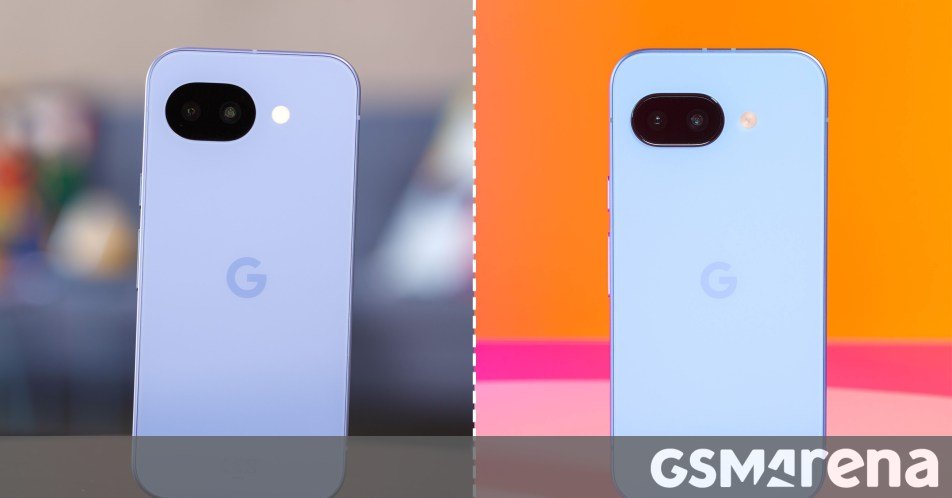
Design: Subtle Refinements
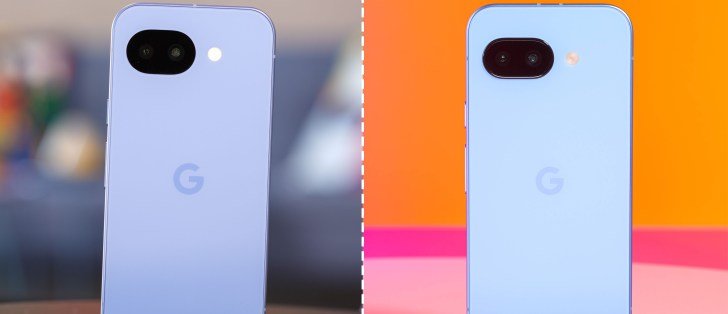
The Pixel 10a and 9a are nearly identical in physical dimensions. The newer model is slightly narrower and shorter due to a reduction in the aluminum frame thickness, resulting in marginally thinner bezels around the display. The 10a is also slightly thicker, which has allowed Google to eliminate the small camera bump present on the 9a, creating a completely flush back panel.
Both phones weigh approximately the same, and there's no noticeable difference in hand feel. Aesthetically, the phones are nearly indistinguishable from a distance, with the main visual difference being the updated color options.
One significant improvement is the display protection. The Pixel 10a features Corning Gorilla Glass 7i on both front and back, an upgrade from the Gorilla Glass 3 used on the 9a. This should provide better durability against drops and scratches, addressing a common concern with budget devices.
Display: Brighter but Identical Hardware
Both phones share identical display specifications: a 6.3-inch P-OLED panel with 120Hz refresh rate and 1080x2424 resolution (422 ppi). The key difference is brightness, with Google claiming the Pixel 10a can achieve 200-300 nits higher peak brightness. Testing confirmed this claim, though the difference is subtle and difficult to perceive at those high brightness levels.
The Gorilla Glass 7i upgrade represents the most meaningful display improvement, offering enhanced durability that users will likely appreciate more than marginally higher brightness. For most users, the visual experience will be nearly identical between the two models.
Battery Life: Where the 10a Shines
Both phones use the same 5100mAh Li-ion battery, but the Pixel 10a delivers significantly better battery life in practice. While the exact reasons aren't specified, the improved performance likely stems from a new modem and software optimizations.
In testing, the Pixel 10a demonstrated substantial improvements:
- Active use: 15:13h vs 12:42h (9a)
- Video playback: 27:34h vs 25:05h
- Gaming: 13:22h vs 11:02h
- Web browsing: 26:39h vs 14:29h
- Voice calls: 8:04h vs 8:44h
This represents a meaningful advantage for the 10a, particularly for users who engage in activities like web browsing and gaming. The improved efficiency could make a noticeable difference in daily usage patterns.
Charging: Marginal Improvement
The Pixel 10a supports faster charging than its predecessor, with 30W wired charging (up from 23W) and 10W wireless charging (up from 7.5W). However, real-world testing showed only minor improvements of 4-5% at any given time during charging.
Both phones remain relatively slow chargers compared to the broader Android market, with the 10a reaching full charge in approximately 90 minutes compared to the 9a's 101 minutes. While technically faster, the difference may not be significant enough to influence purchasing decisions for most users, especially considering the price premium.
Audio: Different Tunings, Comparable Quality
Both phones feature stereo speakers with different tunings. The Pixel 10a offers a more balanced sound profile with richer bass, while the 9a sounds slightly clearer and louder. Subjectively, the 10a has a slight edge in overall audio quality, though both phones achieve "good" loudness scores in testing.
The audio differences are subtle and may not be noticeable to the average user. Both phones provide adequate sound for media consumption and calls, with neither offering exceptional audio performance.
Performance: Identical and Underwhelming
Perhaps the most disappointing aspect of the Pixel 10a is its performance. It uses the same Tensor G4 chipset as the 2025 Pixel 9a, which itself was inherited from the 2024 Pixel 9 lineup. Considering this chip wasn't particularly impressive even in 2024, it feels especially dated in 2026.
Benchmark results confirm the near-identical performance:
- AnTuTu 10: 1,269,880 (10a) vs 1,254,417 (9a)
- Geekbench 6: 4,545 (10a) vs 4,527 (9a)
- 3D Mark Wild Life: 2,683 (10a) vs 2,630 (9a)
The minimal differences are likely due to test variance rather than actual performance improvements. This represents a significant missed opportunity, as Google could have included the newer Tensor G5 chip to make the upgrade more compelling.
The performance shortcomings are particularly glaring when considering that many cheaper Android phones now outperform these Pixels in benchmark tests. For users who prioritize performance, neither the 9a nor 10a represents good value in today's market.
Cameras: Same Hardware, Minor Software Differences
Both phones feature identical camera hardware: 48MP main, 13MP ultra-wide, and 13MP front cameras. The differences are primarily in software, with the Pixel 10a adding Camera Coach, Auto Best Take, and the ability to save images in Display P3 color space.
In practice, image quality is nearly identical between the two phones. Both produce the characteristic "Pixel look" with accurate colors, reasonable detail, and good dynamic range. The main camera performs well, with the 2x digital zoom mode also delivering decent results, though both occasionally struggle with white balance. The ultra-wide camera is usable but underwhelming on both models.
Ecosystem Context and Value Proposition
The minimal differences between the Pixel 10a and 9a highlight a common pattern in the smartphone industry, particularly with mid-range and budget models. Manufacturers often make incremental improvements between generations, sometimes making it difficult to justify upgrading from one year to the next.
For Google's Pixel A-series, this approach makes some strategic sense. The company positions these devices as affordable entry points into the Pixel ecosystem, offering the same software experience and AI features as their more expensive counterparts. The minimal hardware changes allow Google to maintain profit margins while still providing regular updates.
However, this strategy creates a dilemma for consumers. The Pixel 10a is objectively better than the 9a in several areas, particularly battery life and display durability. Yet, the $100 price premium is difficult to justify given the minimal performance gains and largely identical experience.
The decision ultimately depends on individual priorities:
- Those who prioritize the latest technology and maximum longevity might prefer the 10a
- Budget-conscious users who don't mind last year's specs will find better value in the 9a
- The choice becomes clearer as the 9a's price naturally decreases over time
Conclusion
The Google Pixel 10a vs 9a comparison highlights the challenge of incremental upgrades in the smartphone market. While the newer model offers several improvements, they're often marginal and may not justify the premium for most users.
For those specifically looking at these two models, the Pixel 9a represents the more sensible choice at its current price point. The $100 savings could be better spent on accessories or put toward a future upgrade when the differences between generations are more substantial.
However, as the 9a's price decreases over time, the value proposition becomes more compelling. Eventually, the 10a will likely become the default choice as the 9a fades from the market, making the decision simpler for late adopters.
In the broader context of the smartphone market, this comparison serves as a reminder that not every annual upgrade is necessary, and sometimes the previous generation offers better value for money.
Comments
Please log in or register to join the discussion