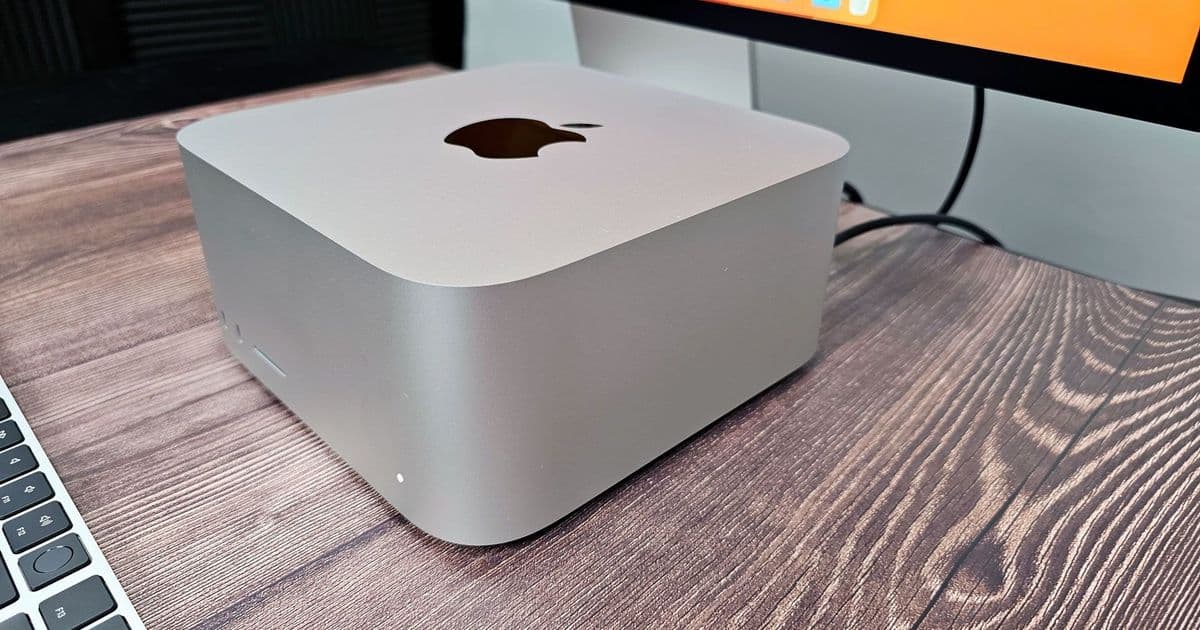
Apple CEO Tim Cook confirms prolonged supply constraints for Mac mini and Mac Studio desktops, driven by unprecedented demand for local AI workloads that exceed manufacturing capacity. The unified memory architecture of Apple Silicon has made these systems particularly attractive for AI developers running large models directly on desktop hardware.
During Apple's second fiscal quarter 2026 earnings call, CEO Tim Cook delivered a clear warning to customers and investors: supplies of the company's Mac mini and Mac Studio desktops will remain constrained for months. The constraint stems from surging demand driven by artificial intelligence workloads that have outpaced Apple's manufacturing capacity, marking a significant shift in the PC market as the AI boom extends beyond traditional GPU manufacturers.
The surge in demand correlates with growing interest in "local AI"—computational models that run directly on personal machines rather than on remote cloud servers. Privacy concerns, reduced latency requirements, and rising cloud inference costs have pushed developers and enterprises toward on-device AI processing. This shift represents a fundamental change in how AI workloads are distributed, with desktop systems increasingly serving as development and deployment platforms for sophisticated AI agents.
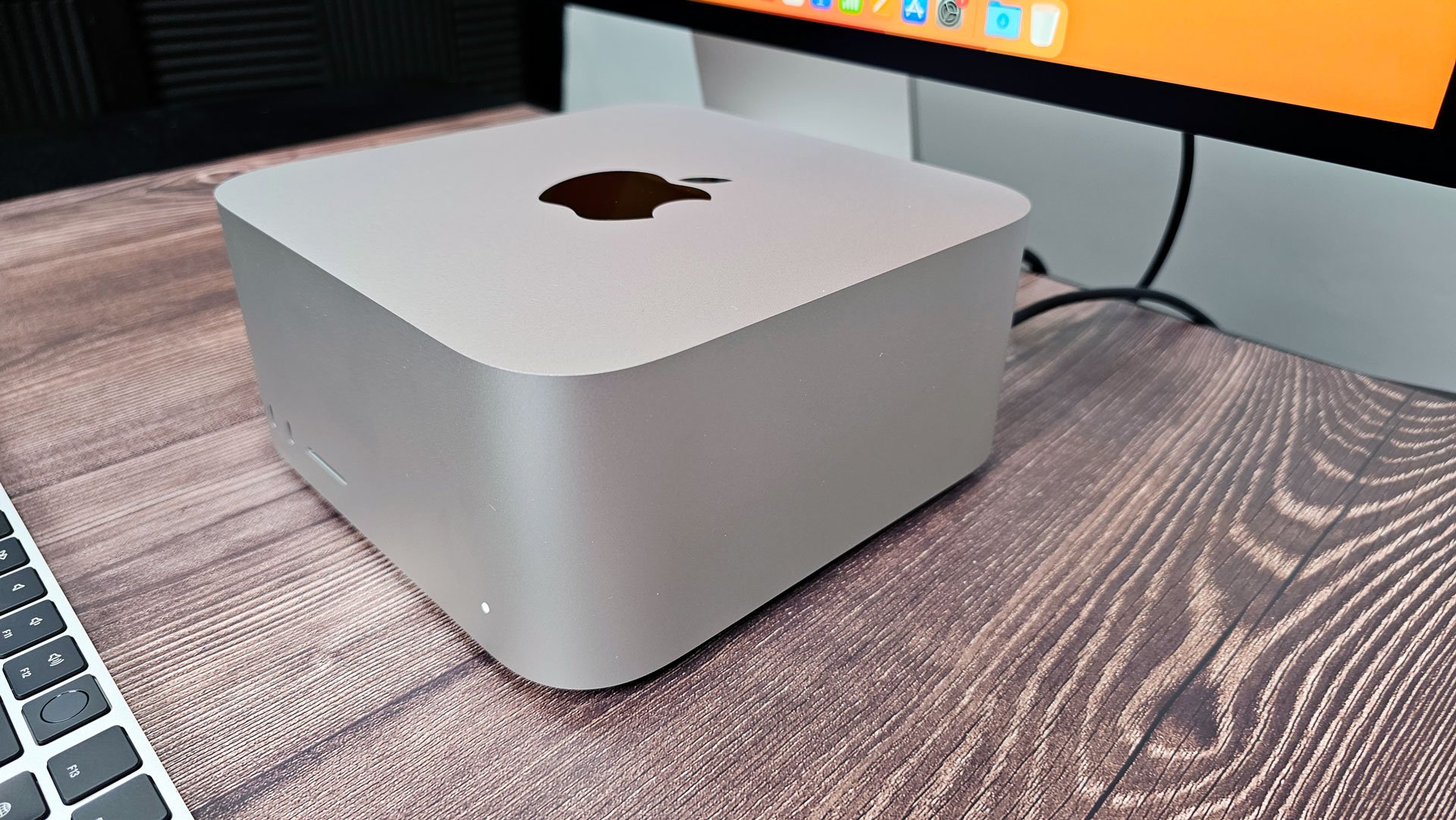
Apple's Mac mini and Mac Studio have become particularly attractive for AI development due to the company's Apple Silicon architecture. Unlike conventional desktop systems that separate CPU and GPU memory, Apple's unified memory architecture allows AI models to access large pools of shared high-bandwidth memory more efficiently. This architectural advantage makes these systems especially useful for running local large language models, AI agents, and inference workloads.
The higher-end Mac Studio configurations can be equipped with up to 128GB of unified memory, allowing developers to run increasingly large AI models directly on desktop hardware. This capability, combined with relatively low power consumption compared to traditional workstations, has made Mac Studio systems popular among AI developers seeking alternatives to expensive server-grade hardware. For comparison, while high-end AI workstations from traditional PC manufacturers may offer similar memory capacities, they often consume 2-3 times the power and generate significantly more heat.
Industry observers have noted rising interest in Apple desktops from AI enthusiasts over the past year. Online developer communities have increasingly discussed using Mac Studio systems for running open-source AI models locally, particularly as demand for high-end AI GPUs continues to strain global supply chains. This trend accelerated with the emergence of specialized AI modes like "OpenClaw," which requires substantial memory resources to function effectively.
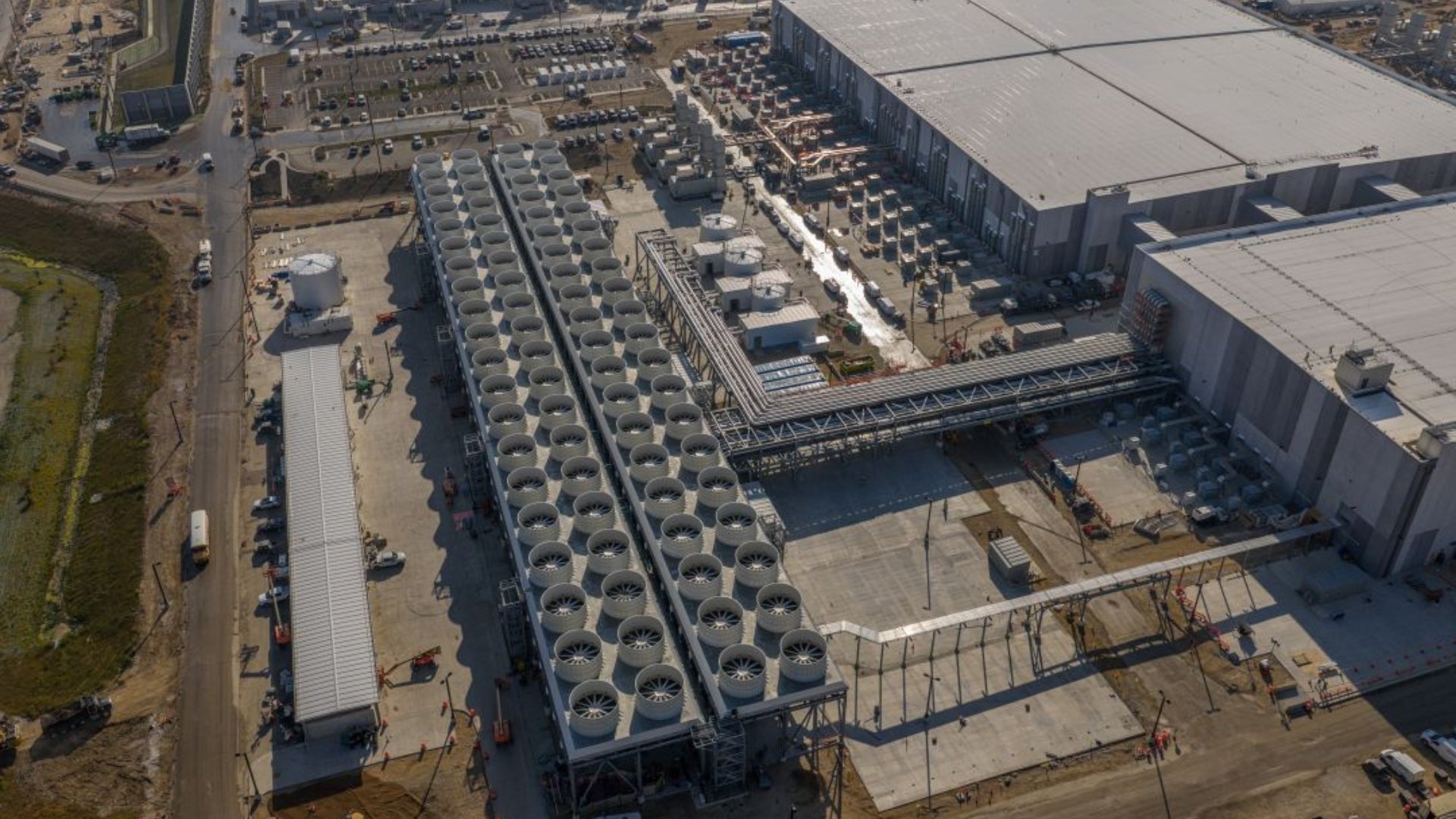
Apple's supply warning arrives during broader pressure across the semiconductor industry. Advanced chip packaging technologies and high-bandwidth memory production have already been strained by soaring demand for AI infrastructure. Several semiconductor firms, including memory manufacturers and packaging specialists, have warned of prolonged shortages tied to AI-related manufacturing bottlenecks.
The constraints may also reflect Apple's growing ambitions in artificial intelligence. The company has been steadily expanding its AI strategy following the introduction of Apple Intelligence across its ecosystem. While Apple has historically emphasized on-device AI processing for privacy and efficiency reasons, the recent surge in demand for its desktop systems could further strengthen its position in the emerging local AI computing market.
From a supply chain perspective, the shortage highlights the challenges of scaling production for specialized components. The unified memory architecture that makes Mac systems attractive for AI workloads also creates manufacturing constraints that are difficult to quickly resolve. Unlike traditional PC manufacturers that can source components from multiple suppliers, Apple's vertically integrated approach means bottlenecks in any part of the supply chain can significantly impact production.
Cook's warning that shortages could persist for "several months" suggests customers may face extended shipping delays for some Mac mini and Mac Studio configurations. This constraint could impact not only individual developers but also organizations that have begun adopting these systems for AI development work. The prolonged shortage may also create opportunities for alternative PC manufacturers to position their systems as viable options for local AI workloads.
As the AI market continues to evolve, the demand for specialized hardware capable of running large models locally will likely grow. Apple's current supply challenges may represent just the beginning of a broader shift in PC manufacturing priorities, with memory capacity, power efficiency, and specialized AI acceleration becoming increasingly important factors in system design and procurement decisions.
Comments
Please log in or register to join the discussion