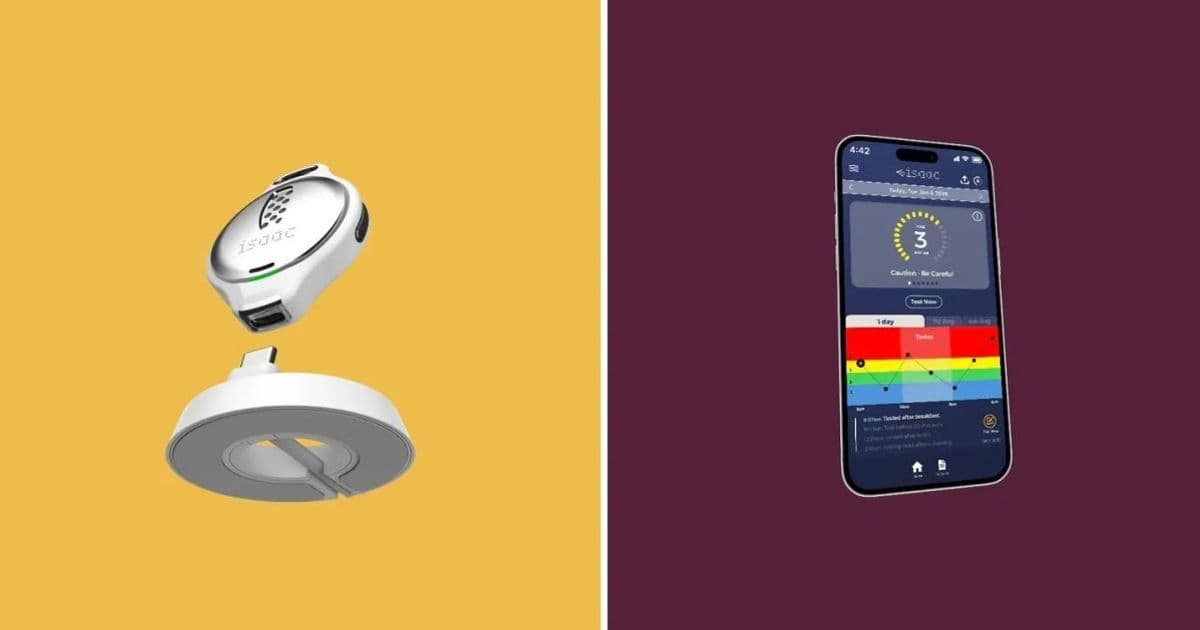
A newly FDA-pending breath-analysis device demonstrates viable technology for non-invasive glucose monitoring that could accelerate Apple's decade-long pursuit of blood sugar tracking in wearables.
For over a decade, Apple has pursued non-invasive blood glucose monitoring as a flagship health feature for the Apple Watch. Early prototypes reportedly included this capability before the first model launched, but technical hurdles prevented implementation. Now, a breakthrough device entering clinical trials signals tangible progress toward this goal.
The Diabetes Monitoring Imperative
Diabetes affects over 10% of adults globally according to the International Diabetes Federation, with nearly half undiagnosed. Traditional monitoring requires invasive finger-prick tests or subcutaneous sensors, creating barriers to early detection. Non-invasive technology promises broader screening capabilities – potentially transforming wearables like Apple Watch into life-saving diagnostic tools.
Isaac: The Breath-Based Contender
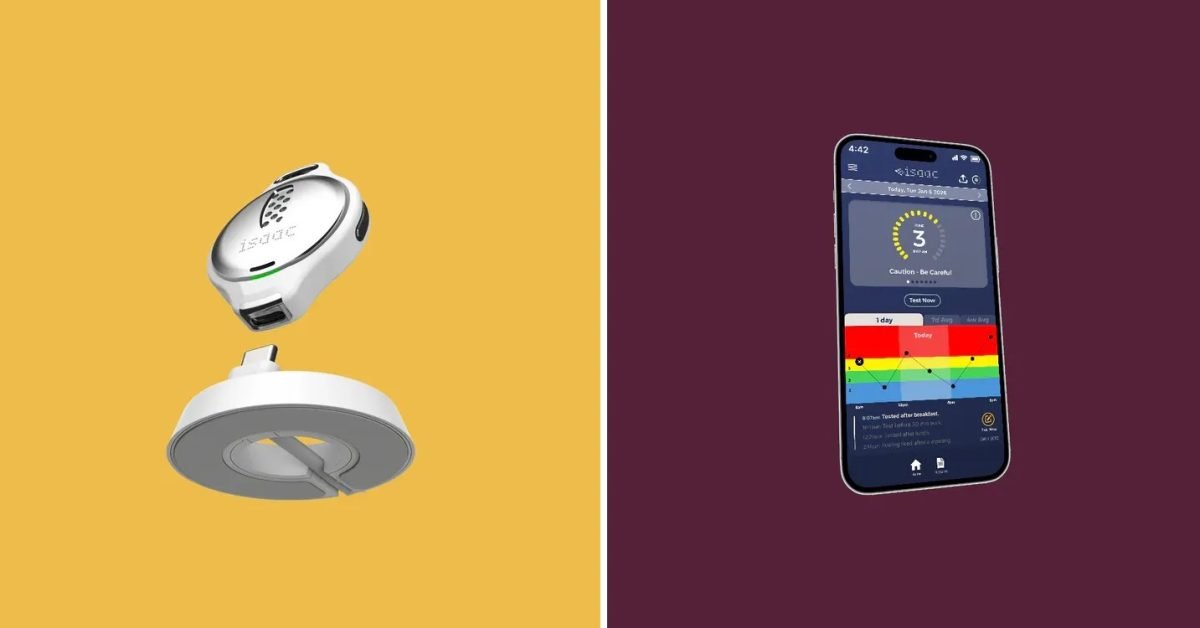
A device called Isaac, developed by TeraPulse Technologies (currently in FDA clinical trials), uses breath analysis to detect glucose biomarkers. The quarter-sized pendant measures acetone levels in exhaled breath – a compound correlated with blood glucose fluctuations. Users hold the device to their mouth for a few seconds, providing readings comparable to traditional blood tests.
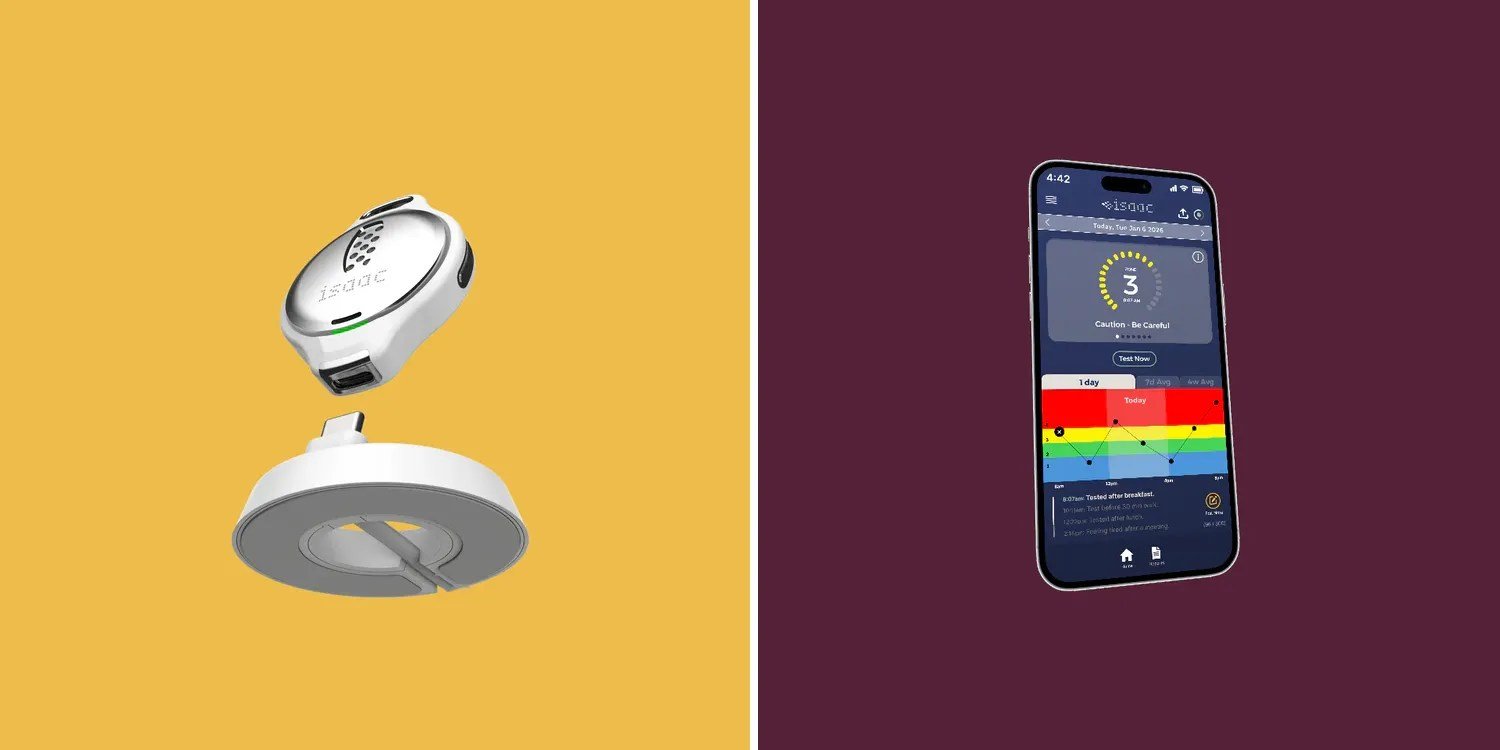 Isaac pendant (left) and companion app (right) in clinical trials. (Image: PreEvnt)
Clinical trials at Indiana University are validating accuracy across:
- Adolescents with Type 1 diabetes
- Adults with Type 2 diabetes Results will support FDA submission later this year. While not continuous, daily testing could identify prediabetic trends or unmanaged cases.
Apple Watch Integration Challenges
Isaac's technology aligns with Apple's rumored approach, but significant hurdles remain:
- Miniaturization: Isaac's current form factor matches an Apple Watch casing. Shrinking sensor arrays to fit within the watch's chassis without compromising battery life or thermal performance requires engineering breakthroughs.
- Sensor Calibration: Breath analysis must account for environmental variables like humidity and temperature. Apple's existing health sensors use proprietary algorithms to filter noise – a framework that could adapt to glucose data.
- Regulatory Pathways: FDA clearance for Isaac would validate the core technology, but Apple would need separate approval for watch integration, likely adding 2-3 years to development.
Developer Implications
Successful implementation would expand HealthKit and ResearchKit capabilities:
- New HKGlucoseSeriesType APIs for accessing anonymized glucose trends
- Integration opportunities for diabetes management apps like MySugr
- Enhanced background data analysis using CoreML for pattern detection
Cross-platform developers should monitor WatchOS and Wear OS health SDKs for alignment, as Google explores similar tech via its Project Iris.
Outlook
While no Apple Watch glucose monitoring appears imminent, Isaac's progress demonstrates the feasibility of non-invasive methods. Developers can anticipate:
- New sensor frameworks in future WatchOS betas
- Expanded HealthKit data categories
- Increased demand for health data visualization in companion apps
As trials advance, Apple's acquisitions of Rockley Photonics (infrared sensor tech) and Tueo Health (respiratory monitoring) suggest parallel development paths. The convergence of these technologies could finally deliver Apple's long-envisioned health revolution.
Comments
Please log in or register to join the discussion