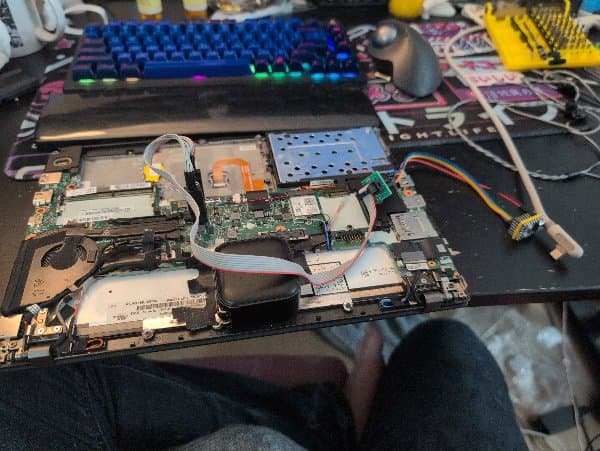
A developer's journey overcoming hardware mishaps and technical hurdles to bring open-source firmware to Lenovo's Thinkpad X270 reveals deeper insights about community-driven hardware liberation.
The successful porting of Coreboot to Lenovo's Thinkpad X270 represents more than just technical achievement—it exemplifies the persistent tinkering required to reclaim hardware from proprietary firmware constraints. This process, documented in meticulous detail by developer dork.dev, reveals both the fragility and resilience inherent in open-source hardware initiatives.
The Delicate Commencement
Initial steps involved extracting the original BIOS through painstaking physical access to the SPI flash chip using an RP2040-zero programmer and flashprog utility. 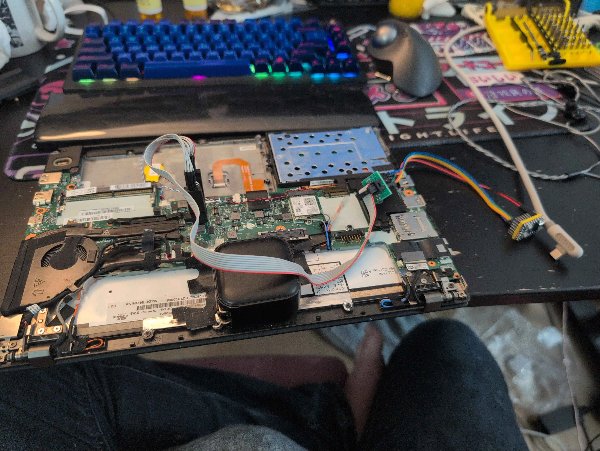 This backup served dual purposes: creating a recovery point and harvesting essential firmware components like the Intel Management Engine (ME) region and Gigabit Ethernet (GbE) section necessary for functional replacement.
Hardware Vulnerability Exposed
Physical interfacing proved unexpectedly treacherous when a capacitor dislodged during chip clipping. 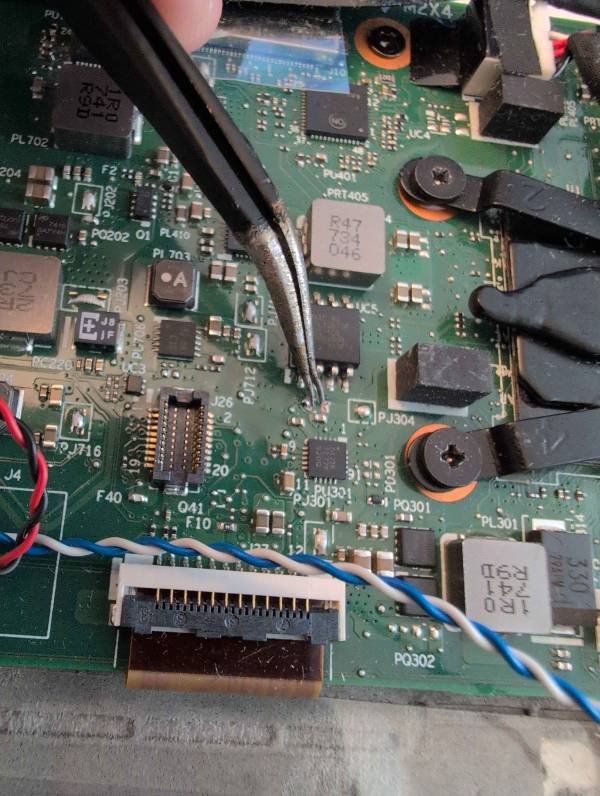 The component—later identified as a 10μF 0603 capacitor—vanished during reattachment attempts. This incident underscores the vulnerability of surface-mount components during hobbyist-level hardware modification. Schematic analysis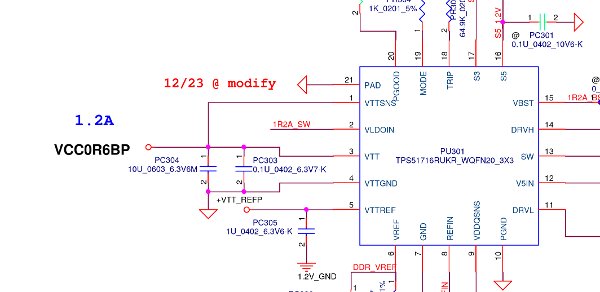
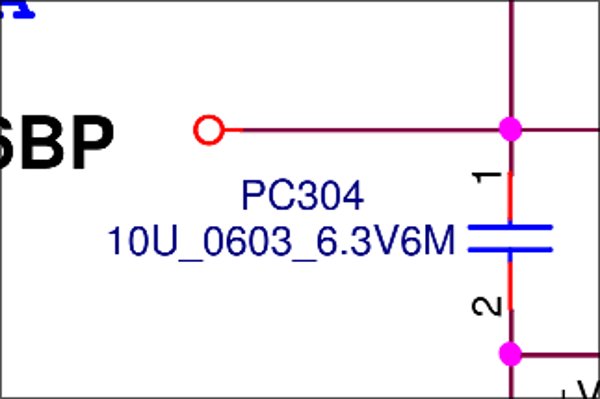 enabled identification and replacement through precise cross-referencing of board markings (PJ304) and chip pinouts.
Validation and Deconstruction
Post-repair, firmware validation involved analyzing string tables 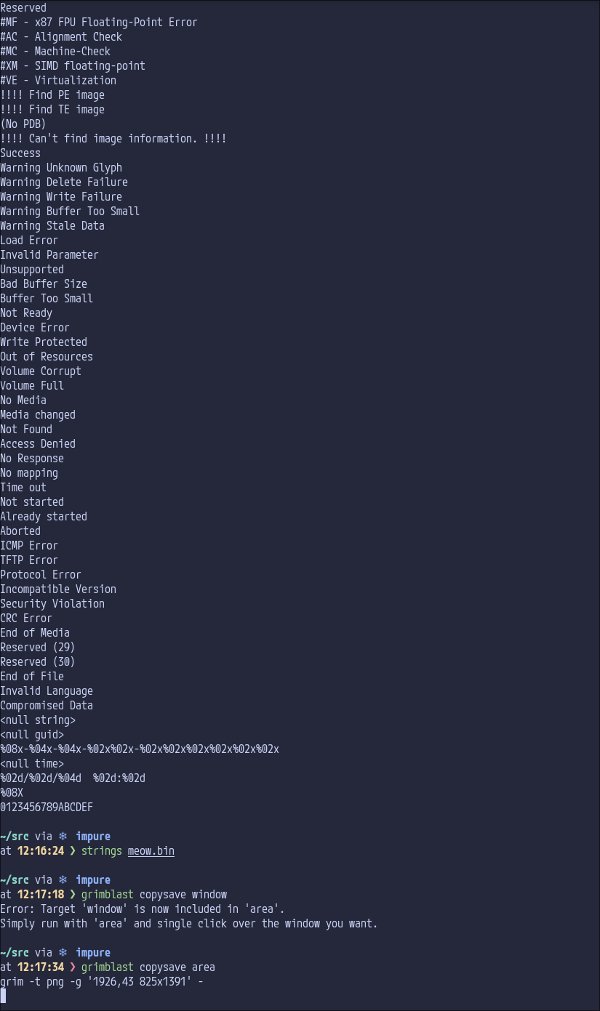 and using ifdtool to dissect the flash descriptor structure. Critical regions were extracted following deguard methodologies, revealing that ME vulnerabilities weren't required for delta creation—a significant clarification for future porting efforts.
Architectural Divergences
The X270's Kaby Lake architecture presented distinct challenges compared to the X280 reference implementation. Key differences included:
- Absence of Thunderbolt controllers
- Different embedded controller (MEC1653 vs MEC1663)
- PCIe lane allocation variations Initial GPIO configuration overlooked the X270's dual CLKREQ lines for WiFi/WWAN, causing critical NVMe and wireless failures in early builds. This manifested as disappearing storage devices and absent network controllers—symptoms initially misattributed to ME truncation issues.
Collaborative Debugging
After community consultation in #libreboot IRC, systematic schematic comparison revealed the CLKREQ allocation error. Correcting the WiFi clock request to CLKREQ2 and realigning subsequent PCIe allocations resolved the instability. The successful boot sequence—captured through GRUB and Guix System screenshots—validated the port's functionality, including NVMe storage and wireless connectivity (though still relying on proprietary WiFi firmware).
Lasting Implications
This port extends Coreboot/Libreboot compatibility to Kaby Lake Thinkpads, with upstream progress visible in the X270 coreboot and deguard repositories. Remaining challenges include full free software wireless integration, though the developer has acquired an ath9k-based dongle as interim solution. The effort highlights how community knowledge sharing—especially Leah Rowe's Libreboot expertise—enables overcoming hardware-specific obstacles that surpass documentation limitations.
This achievement demonstrates that open firmware porting remains equal parts electronic archaeology, schematic forensics, and collaborative problem-solving. Each successful port chips away at proprietary firmware's dominance, though the process demands respect for hardware's physical fragility and willingness to navigate undocumented board intricacies.
Comments
Please log in or register to join the discussion