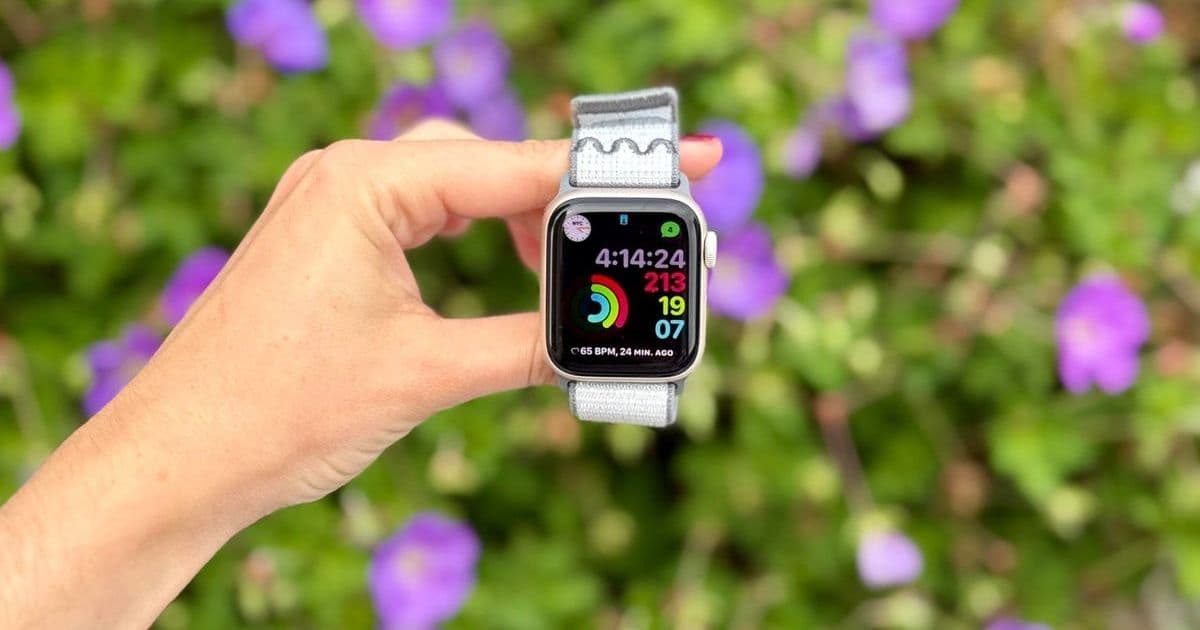
Apple's refreshed budget smartwatch brings notable upgrades like an always-on display and health sensors, but ZDNET's Kayla Solino explains why her SE 2 still suffices. Her decision reveals broader insights about wearable upgrade cycles and evolving user priorities in the smartwatch market.
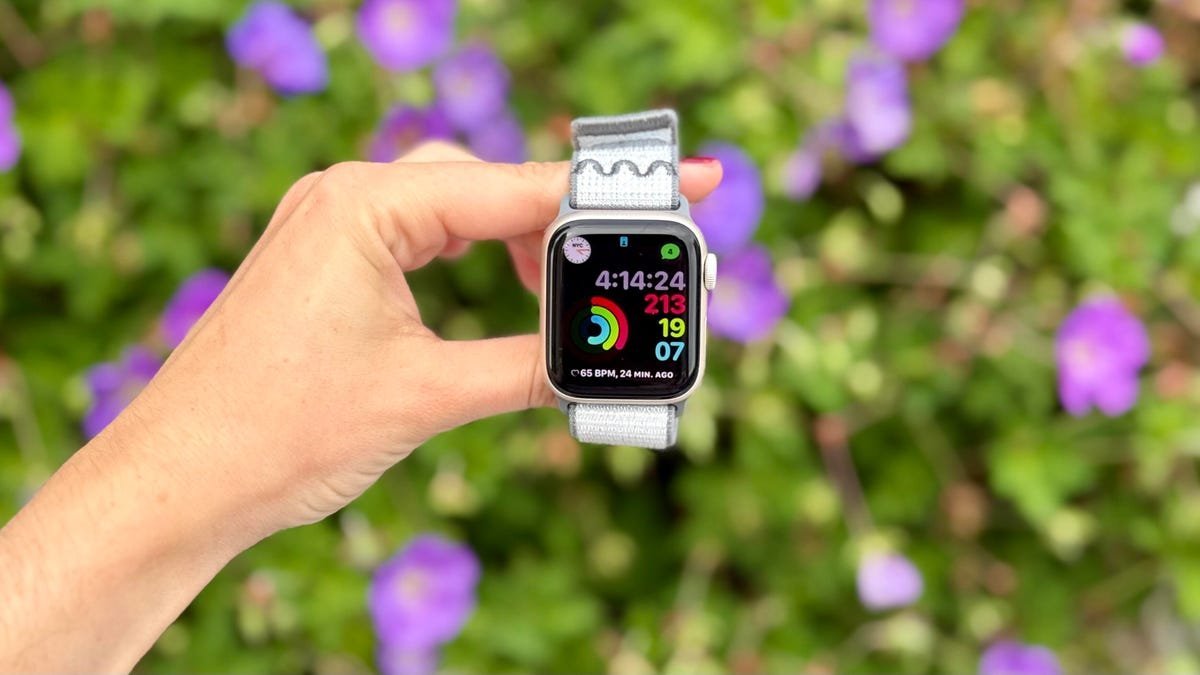
The Apple Watch SE 3 represents Apple's first update to its budget wearable lineup since 2022, delivering meaningful upgrades at its $249 price point. Yet for ZDNET editor Kayla Solino, the new model isn't compelling enough to replace her existing SE 2—a decision that highlights how personalization and feature thresholds are reshaping upgrade cycles in the wearables space.
The SE 3's Notable Advancements
After three years without an update, Apple's latest entry-level watch packs substantial improvements:
- S10 Chipset: The same processor powering premium Series 11 and Ultra 3 models
- Always-On Display: Previously exclusive to higher-end watches
- Advanced Health Monitoring: Sleep apnea detection, temperature sensing for cycle tracking, and sleep scoring
- Connectivity: 5G support and faster charging
"It's a beautifully executed refresh that was much needed," Solino notes, acknowledging that the SE 3 delivers exceptional value for first-time buyers. The inclusion of health features previously reserved for premium models narrows the gap between Apple's budget and flagship wearables.
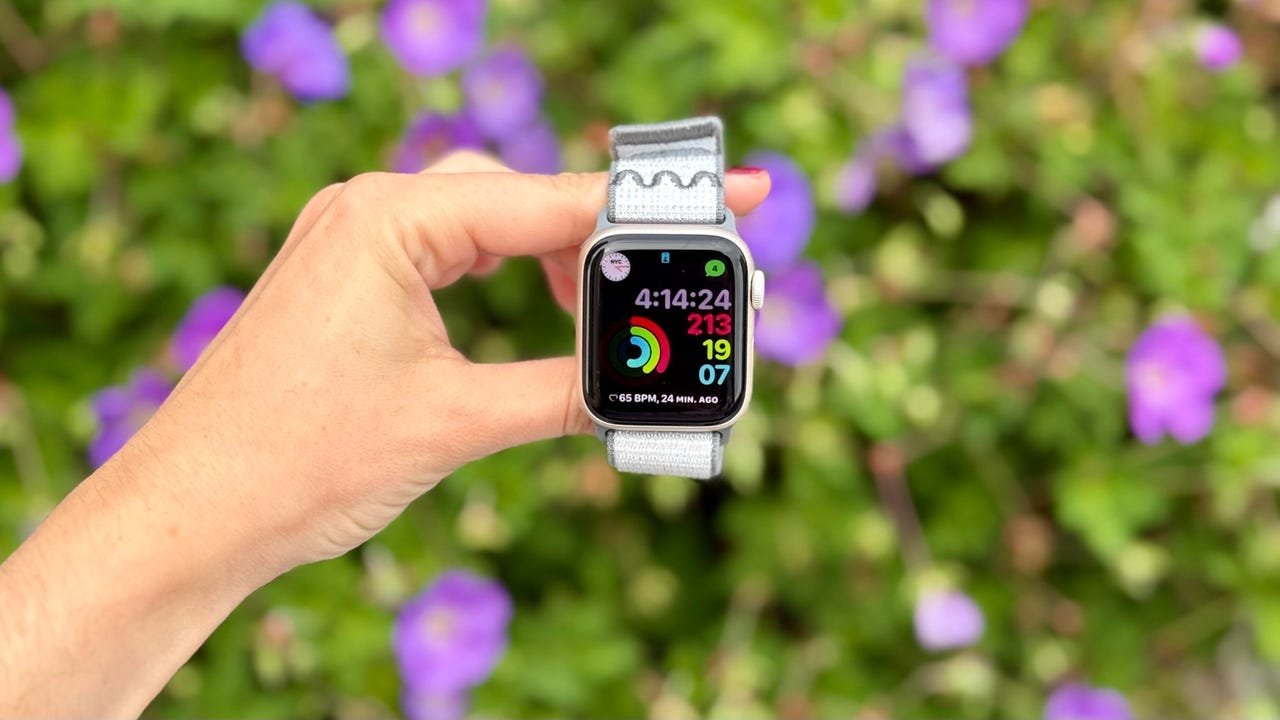 The Apple Watch SE 3. Credit: Nina Raemont/ZDNET
The Upgrade Holdout: Two Core Reasons
1. Existing Device Adequacy
Solino's SE 2 continues fulfilling her core needs: activity tracking, notifications, and basic sleep monitoring. As she explains: "At its core, it still does everything I want my smartwatch to do." This reflects a growing trend where users keep wearables longer once they satisfy fundamental requirements, contrasting with annual smartphone upgrade cycles.
2. Aspirational Feature Targeting
Rather than incremental improvements, Solino seeks transformative capabilities absent even in the SE 3:
- Blood oxygen monitoring
- ECG and hypertension detection
- Satellite emergency SOS
- Jewelry-like form factors (considering smart rings)
"I'm entering the next phase in my journey," she states, indicating that her wearable needs have evolved beyond entry-level functionality since purchasing the SE 2 as a "trial run."
The Broader Wearables Calculus
Solino's decision underscores key industry dynamics:
- Maturing Market: Many users no longer upgrade for spec bumps alone
- Ecosystem Diversification: Smart rings (Oura, Ultrahuman) now compete for wrist real estate
- Value Preservation: Older watches retain functionality longer than phones
- Strategic Upgrading: Savvy consumers wait for sales ($50-$70 discounts) or leapfrog to premium models
While Solino acknowledges missing features like temperature sensing and sleep scoring, she gains flexibility to evaluate emerging alternatives. Her stance represents a segment of users who view wearables as multi-year investments rather than disposable tech—a shift that may pressure manufacturers to differentiate through breakthrough health capabilities rather than iterative updates.
As wearable technology evolves, the upgrade equation grows increasingly personal. For developers and product strategists, Solino's experience highlights the importance of designing for evolving user lifecycles rather than assuming annual replacement cycles.
Comments
Please log in or register to join the discussion