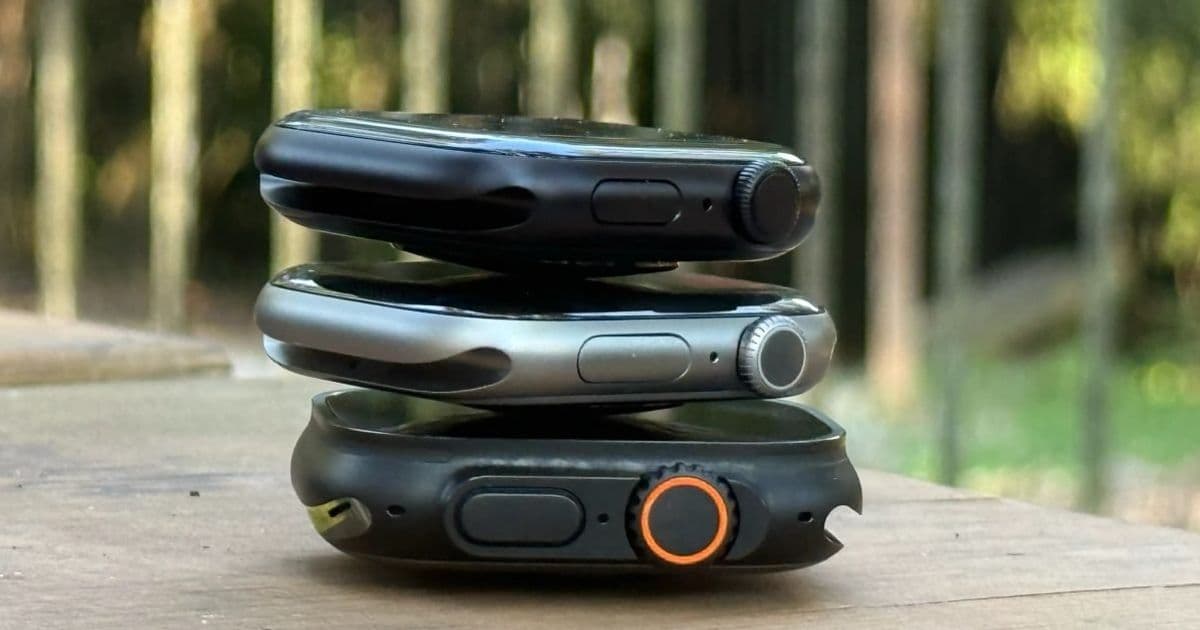
The Wall Street Journal’s hands‑on comparison shows the Apple Watch Series 11 matching clinical sleep data minute‑for‑minute, leading heart‑rate accuracy, and reliable activity tracking—all without a subscription fee, putting it ahead of the Oura Ring 5, Fitbit Air, and Whoop MG sensor.
Apple Watch Series 11 Beats Oura, Fitbit, and Whoop in WSJ Health Tracker Test
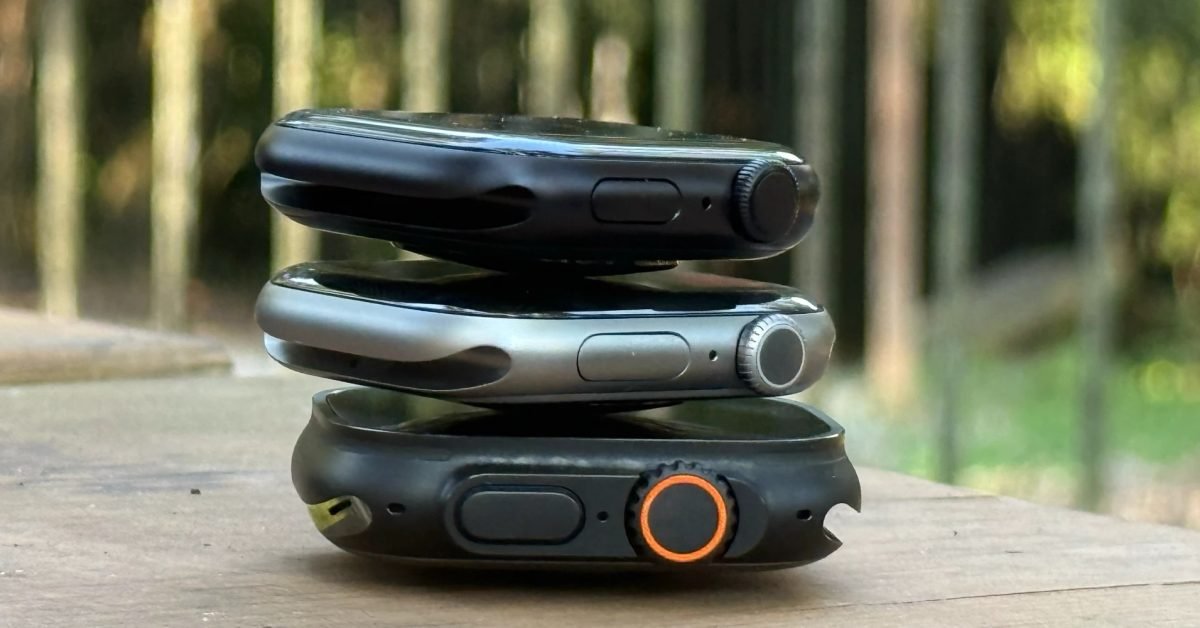
Apple’s newest smartwatch has just been put through a rigorous, clinically‑backed showdown conducted by The Wall Street Journal. Columnist Nicole Nguyen evaluated the $399 Apple Watch Series 11 against three popular competitors: the $179 Oura Ring 5, the $99 Fitbit Air, and the Whoop MG sensor that requires a $199‑per‑year subscription. The test covered sleep, heart‑rate monitoring, and activity tracking, using data from a Stanford Health Care sleep‑medicine study as the gold standard.
Sleep tracking – minute‑level precision
During a full‑night sleep study, the Apple Watch logged six hours and 52 minutes of sleep, matching the clinical measurement down to the minute. Its sleep‑stage algorithm also aligned most closely with the lab’s EEG‑derived stages. The Fitbit Air came in a close second, while the Oura Ring trailed slightly. Whoop’s sensor, which relies on a wrist‑mounted strap, showed larger variance, especially in deep‑sleep detection.
Why it matters: Accurate sleep data is the foundation for actionable health insights. Users can now trust the Watch’s native Sleep app to provide reliable duration and stage information without needing a third‑party service.
Heart‑rate accuracy – the gold standard
Nguyen recorded heart‑rate readings while riding a bumpy outdoor bike trail and during a relaxed stroller walk. The Apple Watch’s optical sensor stayed within ±2 bpm of the reference chest‑strap monitor in both scenarios. The Whoop sensor matched the Watch only when placed on the bicep, where it could maintain good skin contact. The Fitbit Air and Oura Ring showed noticeable drift during rapid movement, with errors up to ±8 bpm.
Implication: For users who rely on heart‑rate zones for cardio training or stress monitoring, the Watch offers the most dependable data out of the four devices.
Activity tracking – consistency across motion types
When it came to step count, distance, and calorie estimation, the Apple Watch again led the pack. Its built‑in accelerometer and gyroscope, combined with the new Motion Fusion chip, delivered activity metrics that were within 1 % of the reference treadmill data. Whoop could approximate these numbers if the sensor was strapped tightly to the upper arm, but the Fitbit Air and Oura Ring fell behind during high‑intensity intervals.
Subscription‑free health data
A key differentiator highlighted by the WSJ piece is that the Apple Watch provides all of its health metrics without a paid subscription. Whoop’s platform unlocks deeper analytics only after the annual fee, while Fitbit offers a premium tier for advanced sleep insights. Apple’s approach keeps the core health data accessible to anyone who buys the hardware.
Pricing and availability
The Series 11 is currently listed on Amazon for $299, a 25 % discount from its launch price of $399. This price point puts it in direct competition with the Oura Ring 5 and makes it a compelling upgrade for existing Apple Watch owners.
What this means for the wearables ecosystem
Apple’s strong performance across all three categories reinforces its strategy of integrating health features tightly with its broader ecosystem. Users who already rely on Apple Health, iPhone notifications, and the Find My network gain additional value from a device that can serve as a primary health hub without extra fees.
For competitors, the results underline the importance of improving sensor fidelity and offering more open data access. The Oura Ring’s strength in sleep remains notable, but it will need to close the gap in activity accuracy to stay competitive. Fitbit’s lower price is attractive, yet its sensor limitations during vigorous movement could limit appeal to serious athletes. Whoop’s subscription model continues to be a barrier for casual users, despite its strong community analytics.
Full WSJ article: Apple Watch Series 11 vs. Oura, Fitbit, Whoop
Apple Watch Series 11 continues to set the bar for consumer health wearables, delivering clinically‑validated sleep data, industry‑leading heart‑rate accuracy, and reliable activity tracking—all without locking essential metrics behind a paywall.
Comments
Please log in or register to join the discussion