Arizona sues prediction market platform Kalshi for allegedly operating an illegal gambling business and facilitating election betting, while Nevada files similar lawsuit.
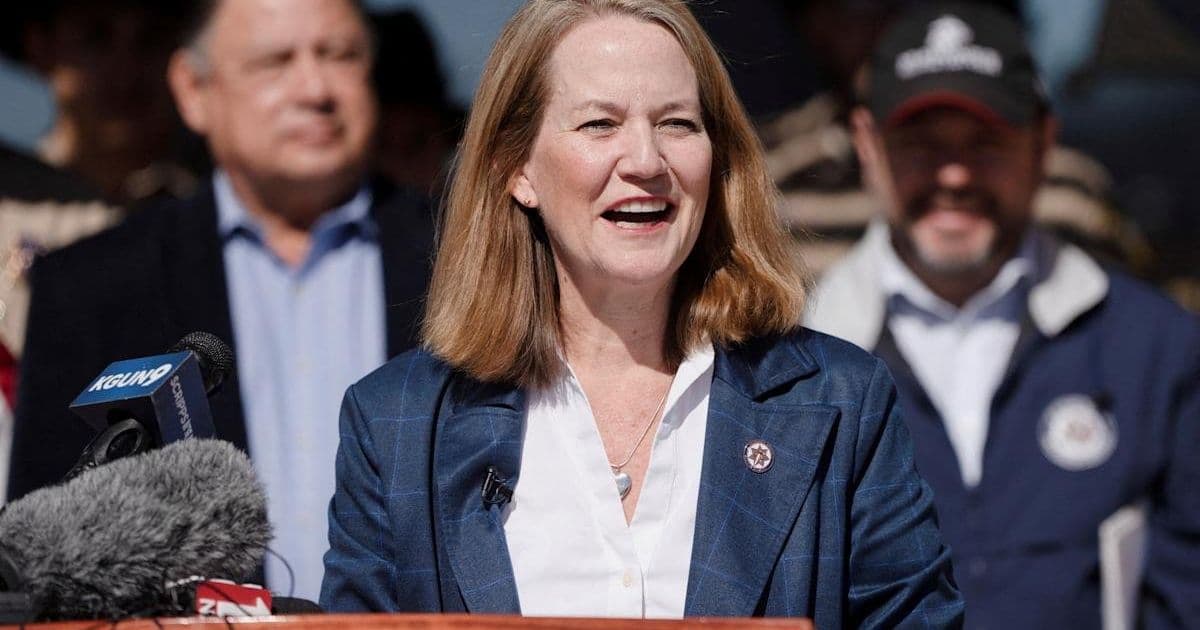
Arizona Attorney General Kris Mayes has filed a lawsuit against Kalshi, a prediction market platform, alleging it operates an illegal gambling business and unlawfully facilitates betting on elections. The lawsuit, filed in Maricopa County Superior Court, seeks to block Kalshi from operating in Arizona and demands civil penalties and disgorgement of profits.
The Arizona AG's office argues that Kalshi's election betting contracts constitute illegal gambling under state law, which prohibits wagering on political outcomes. The lawsuit claims Kalshi has been offering contracts allowing users to bet on whether Donald Trump or Kamala Harris would win the 2024 presidential election, as well as other political races.
This legal action comes as Kalshi faces similar challenges in other states. Nevada has also filed a lawsuit against the company, alleging it violates state gambling laws by offering election betting markets. The Nevada Attorney General's office argues that Kalshi's operations constitute unlicensed sports betting, which is prohibited in the state.
Kalshi, founded in 2018 and backed by prominent investors including Sequoia Capital and Charles Schwab, has positioned itself as a regulated prediction market platform. The company obtained approval from the Commodity Futures Trading Commission (CFTC) in 2022 to offer event-based contracts, though this approval has been contested by other industry players and regulators.
The lawsuits highlight the ongoing debate over whether prediction markets constitute gambling or legitimate financial instruments. Proponents argue that prediction markets provide valuable information about future events and should be regulated like other financial products. Critics contend that betting on elections undermines democratic processes and could incentivize manipulation of outcomes.
Kalshi has defended its operations, stating that its contracts are based on real-world events and provide a legitimate way for people to express their views on future outcomes. The company argues that its markets are fundamentally different from traditional gambling because they are based on information and analysis rather than pure chance.
This legal challenge represents a significant threat to Kalshi's business model and the broader prediction market industry. If successful, the lawsuits could force Kalshi to cease operations in multiple states and potentially reshape how election-related betting is regulated across the United States.
The timing of these lawsuits is particularly notable given the upcoming 2026 midterm elections and the increasing popularity of prediction markets among political enthusiasts and investors. Several other companies, including Polymarket, have faced similar regulatory scrutiny over their election betting offerings.
Industry experts suggest that the outcome of these cases could have far-reaching implications for the future of prediction markets in the United States. A ruling against Kalshi could embolden other states to pursue similar legal action and potentially lead to federal legislation restricting election betting.
For now, Kalshi continues to operate in most states while fighting the legal challenges. The company has stated it will vigorously defend its business model and maintain that its operations are legal and beneficial to the public.
The lawsuits also raise questions about the role of state versus federal regulation in overseeing prediction markets. While Kalshi has federal approval from the CFTC, state attorneys general argue they have the authority to enforce their own gambling laws.
As the legal proceedings unfold, the prediction market industry will be watching closely to see whether states can successfully challenge federally approved platforms and what this means for the future of election betting in America.
This case represents a critical juncture for the intersection of technology, finance, and politics, with potential implications for how Americans engage with electoral processes and the role of markets in predicting political outcomes.
Comments
Please log in or register to join the discussion