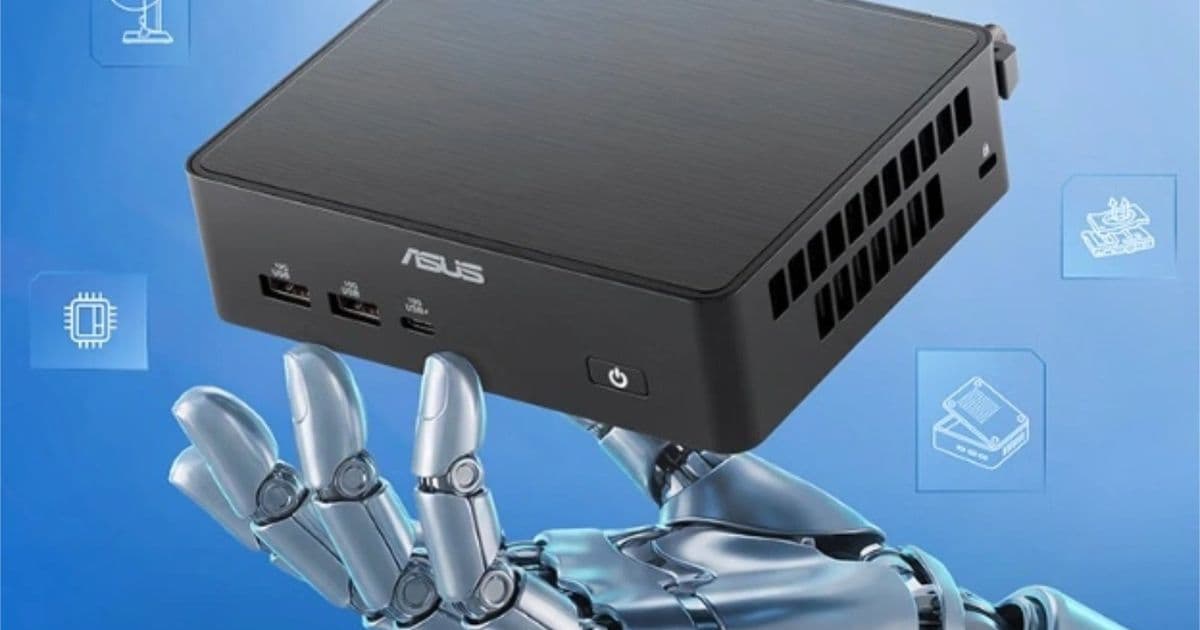
Asus has quietly launched a new Core Ultra X7 358H variant of its NUC 16 Pro mini-PC in China, featuring the more powerful Arc B390 iGPU and upgraded specifications compared to the previously announced Core Ultra 7 356H model.
Asus has quietly expanded its NUC 16 Pro mini-PC lineup with a new Core Ultra X7 358H variant featuring Intel's more powerful Arc B390 integrated graphics, marking the second processor option for the compact system since its CES 2026 debut.
What's New in the Core Ultra X7 358H Variant
The newly released variant, currently available only in China through JD.com, represents a significant upgrade over the previously announced Core Ultra 7 356H model. While both share the same Panther Lake architecture foundation, the X7 358H variant comes equipped with Intel's Arc B390 iGPU, which offers substantially better graphics performance than the Intel Graphics 4 Xe3 found in the lower-tier model.
Priced at CNY 10,999 (approximately $1,597), this configuration includes 32 GB of soldered LPDDR5X-9600 RAM and 1 TB of storage. The inclusion of soldered memory suggests Asus is targeting users who prioritize compact design over upgradeability, though it does limit future expansion options.
Design and Connectivity Updates
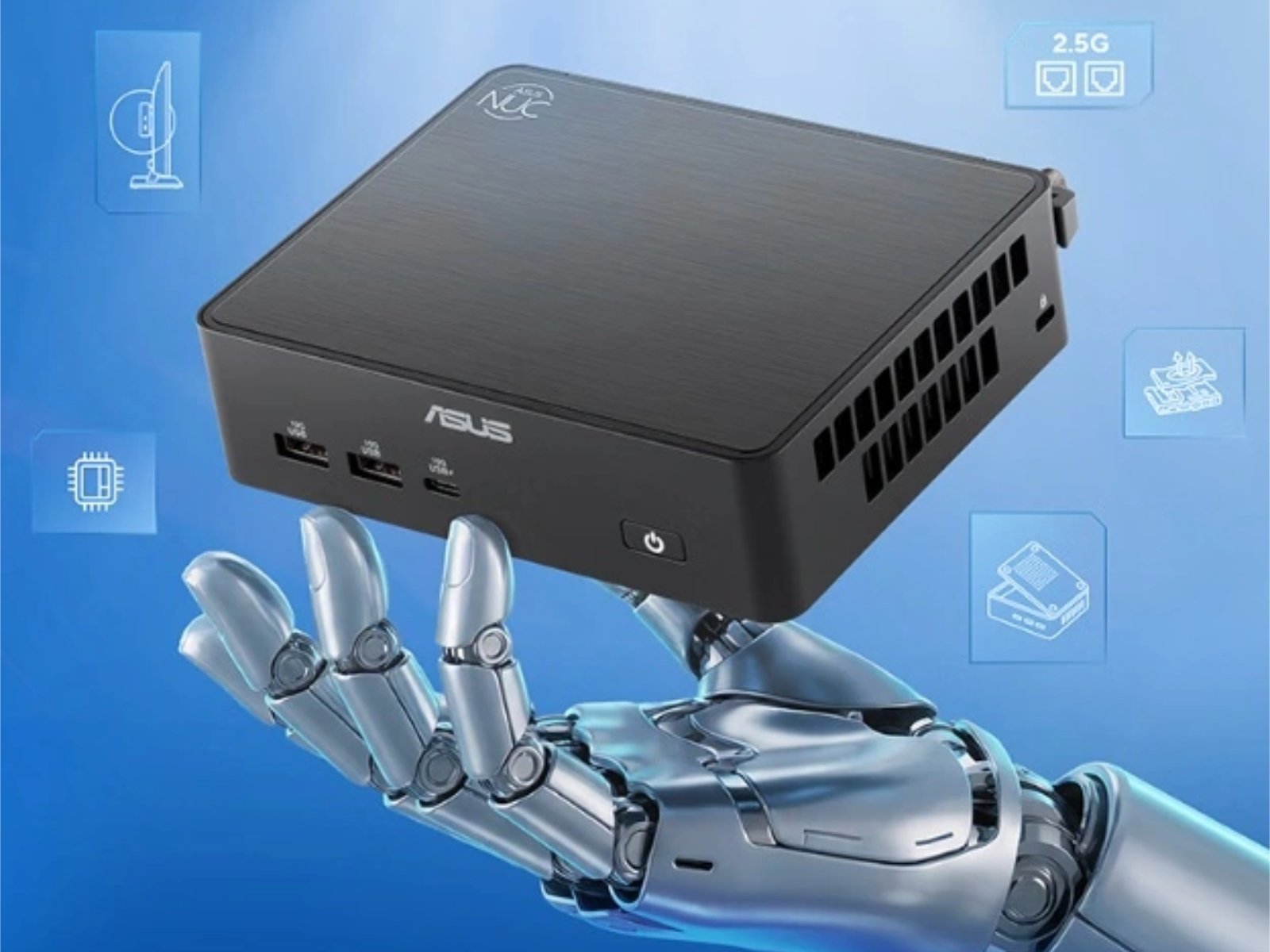
The NUC 16 Pro maintains its updated design language from the NUC 15 Pro, featuring a wider form factor that measures 144 x 117 x 42 mm. This represents a modest increase in footprint but allows for better thermal management and component accommodation.
Connectivity options remain robust with dual Thunderbolt 4 ports and Wi-Fi 7 modem support, ensuring the system stays current with the latest connectivity standards. The inclusion of dual M.2 2280 PCIe Gen 5 slots provides ample storage expansion potential, though the soldered RAM configuration means memory upgrades aren't possible.
Comparison to Core Ultra 7 356H Model
The Core Ultra 7 356H variant, priced at $999 and available in the US, takes a different approach with support for CSO-DIMM RAM and more flexible storage options including both M.2 2242 and M.2 2280 SSDs. This configuration targets users who value upgradeability and customization over the all-in-one approach of the X7 variant.
Market Availability and Future Prospects
For now, the Core Ultra X7 358H variant remains exclusive to the Chinese market, with no announced plans for global availability. This regional limitation isn't uncommon for specialized hardware variants, particularly those featuring newer processor configurations that may still be in limited supply globally.
Based on Asus's historical patterns with the NUC series, the company is likely to gradually expand the NUC 16 Pro lineup throughout 2026. The initial CES announcement mentioned support for up to Core Ultra X9 Series 3 processors, suggesting that even more powerful variants could be on the horizon as Intel's Panther Lake lineup matures.
Target Audience and Use Cases
The NUC 16 Pro series, particularly the X7 variant with Arc B390 graphics, appears positioned for users who need more graphical horsepower than typical integrated solutions provide but don't require dedicated GPUs. This could include content creators working with light 3D applications, office users who occasionally run graphics-intensive software, or as compact home theater PCs with enhanced gaming capabilities.
The combination of powerful integrated graphics, modern connectivity, and compact form factor makes the NUC 16 Pro an interesting option in the mini-PC space, though the soldered RAM configuration may limit its appeal for users who frequently upgrade their systems.
What This Means for the Mini-PC Market
Asus's staggered release approach with the NUC 16 Pro demonstrates the ongoing evolution of mini-PCs from basic computing devices to capable desktop replacements. The inclusion of Arc B390 graphics in a compact form factor represents Intel's continued push to improve integrated graphics performance, potentially reducing the need for discrete GPUs in many use cases.
The NUC 16 Pro's positioning between ultra-compact systems and traditional desktops reflects growing demand for space-efficient computing solutions that don't compromise on performance. As processors become more efficient and graphics capabilities improve, we're likely to see continued innovation in the mini-PC segment throughout 2026 and beyond.
For users considering the NUC 16 Pro, the choice between variants will largely depend on priorities: the X7 model offers better out-of-the-box performance with its superior integrated graphics, while the 7 model provides more flexibility for future upgrades and customization.
Comments
Please log in or register to join the discussion