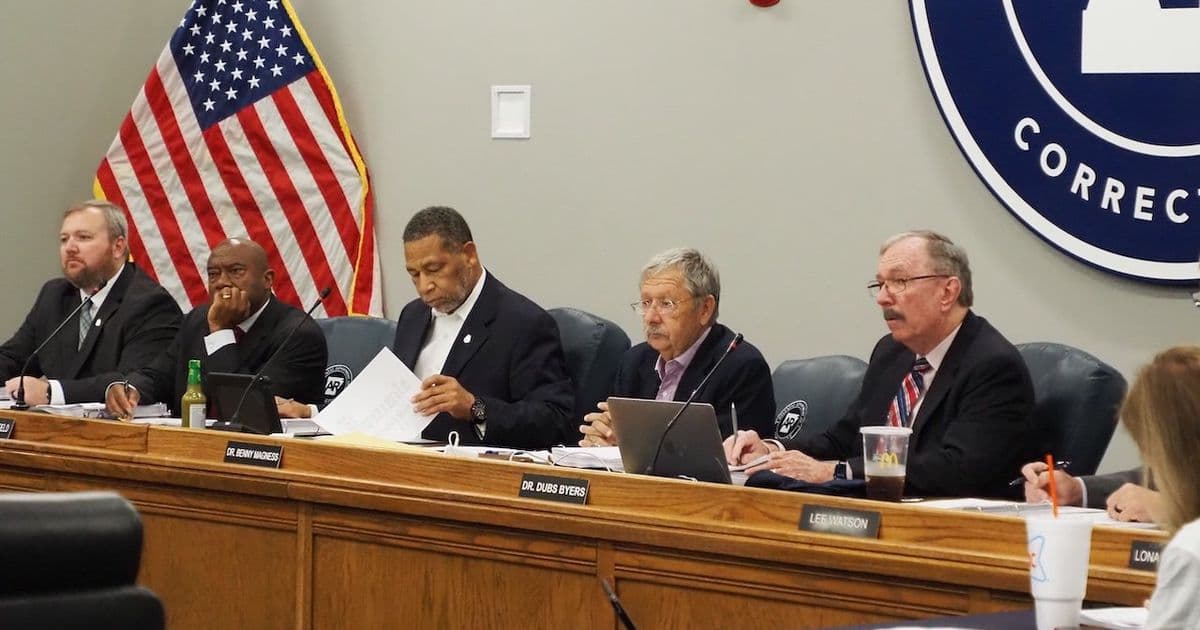
Arkansas prisons will ban direct delivery of physical books, newspapers and magazines to inmates starting February 1, citing contraband concerns while critics warn of reduced educational access.
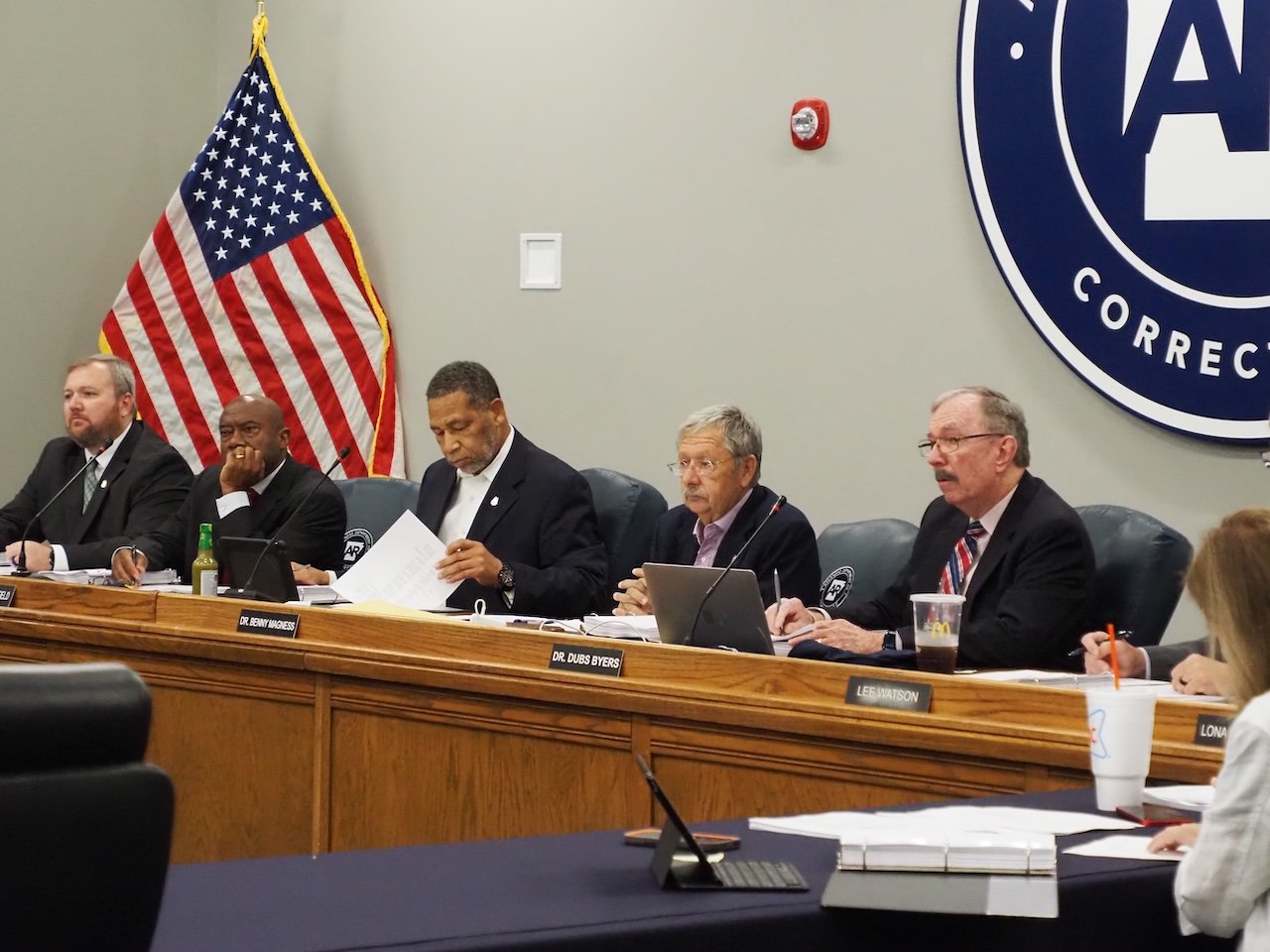
The Arkansas Board of Corrections has approved a policy prohibiting incarcerated individuals from receiving physical books, newspapers, or magazines through direct delivery channels. Effective February 1, 2026, this measure aims to prevent contraband smuggling but raises significant questions about educational access and rehabilitation resources within state prisons.
Department of Corrections spokesperson Rand Champion confirmed the policy applies only to direct shipments from individuals or organizations to inmates. Third-party donations to prison libraries remain permissible, and existing restrictions on specific book categories—such as materials containing state maps or titles with the word "escape"—remain unchanged.
Board Chairman Benny Magness defended the decision during Friday's meeting, highlighting synthetic cannabinoids like K2 as a primary concern: "K2 is killing our inmates," Magness stated, asserting that printed materials serve as common smuggling vectors. Division of Correction Director Dexter Payne noted that digital alternatives exist through state-issued tablets, which offer approximately 50,000 titles and are available to all incarcerated individuals except those in punitive isolation.
Despite these assurances, critics argue the policy creates unnecessary barriers. Holly Dickson, executive director of the ACLU of Arkansas, condemned the move: "This is an unnecessary and dramatic restriction on prisoners and their rights. Rather than restricting rights to cut costs and exacerbating the overcrowding crisis, Arkansas needs to ensure sufficient staff and funding for constitutional conditions."

The reliance on tablets as a primary reading source faces practical limitations. Research from the Prison Policy Initiative indicates digital libraries often fail to compensate for physical book restrictions due to outdated or limited selections. "Prisons often claim tablets increase access despite book bans," the organization reported, "but limited ebook selections aren't filling the emerging book-gap." Arkansas currently does not publish its tablet title catalog publicly, leaving the adequacy of its digital offerings unclear.
Board member Lona McCastlain sought to clarify the policy's intent during deliberations: "They can't be brought in by Joe Blow off the street. We can get them. As long as they're available, they're not banned." This distinction, however, does little to alleviate concerns about timeliness and diversity of material. Prison libraries—already barred from stocking physical magazines or newspapers—may struggle to provide current or specialized content through donation channels alone.

This policy aligns with a broader national trend where states restrict direct book shipments to incarcerated individuals. Arkansas previously prohibited nonprofits from sending requested titles to specific inmates, permitting donations only to institutional libraries. Such measures occur against a backdrop of systemic challenges in the state's prison system, including overcrowding and staffing shortages that experts link to high recidivism rates.
The policy shift highlights a tension between operational security and access to educational resources—a balance with tangible implications for rehabilitation outcomes. As Arkansas implements this change, the effectiveness of its digital alternatives and library donation systems will prove critical to preserving intellectual engagement for incarcerated populations.

Comments
Please log in or register to join the discussion