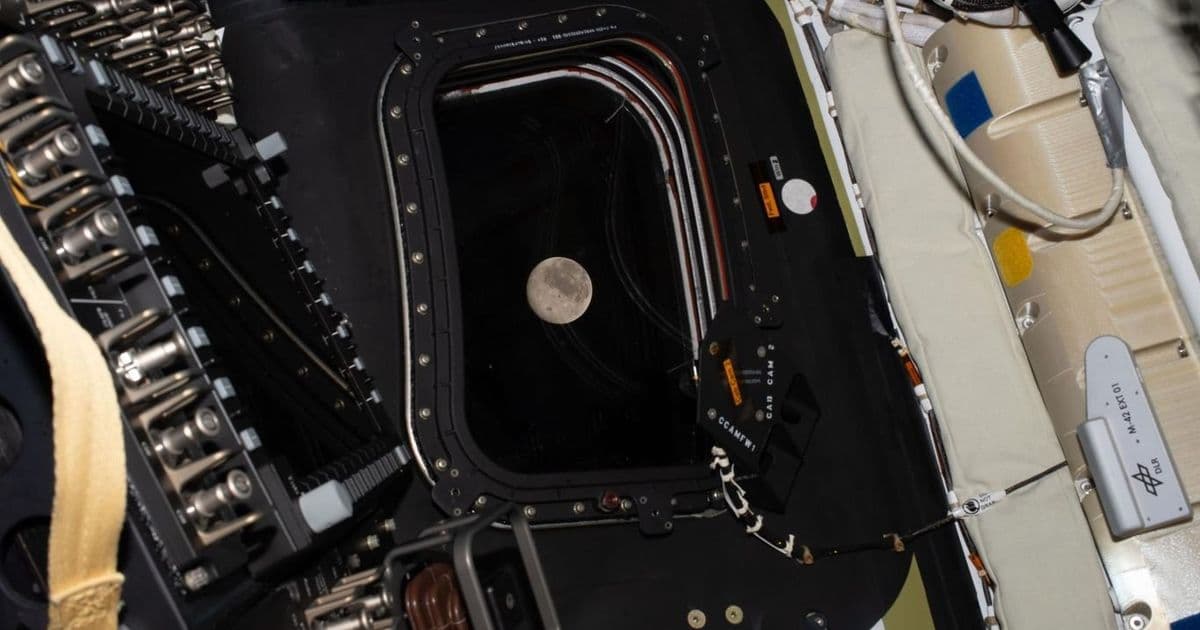
NASA's Artemis II mission has surpassed Apollo 13's 52-year-old record for farthest distance from Earth, reaching 270,469 miles from our planet as it prepares for a historic lunar flyby.
NASA's Artemis II mission has achieved a historic milestone, breaking the distance-from-Earth record previously held by Apollo 13 for over five decades. The Orion spacecraft, carrying four astronauts, reached a maximum distance of 270,469 miles from Earth on April 7, 2026, surpassing Apollo 13's record of 248,655 miles set in 1970.
This achievement marks a significant step forward in NASA's Artemis program, which aims to return humans to the Moon and establish a sustainable presence there. The record-breaking distance was reached as Orion entered the lunar sphere of influence, a critical phase of the mission that demonstrates the spacecraft's capabilities for deep space exploration.
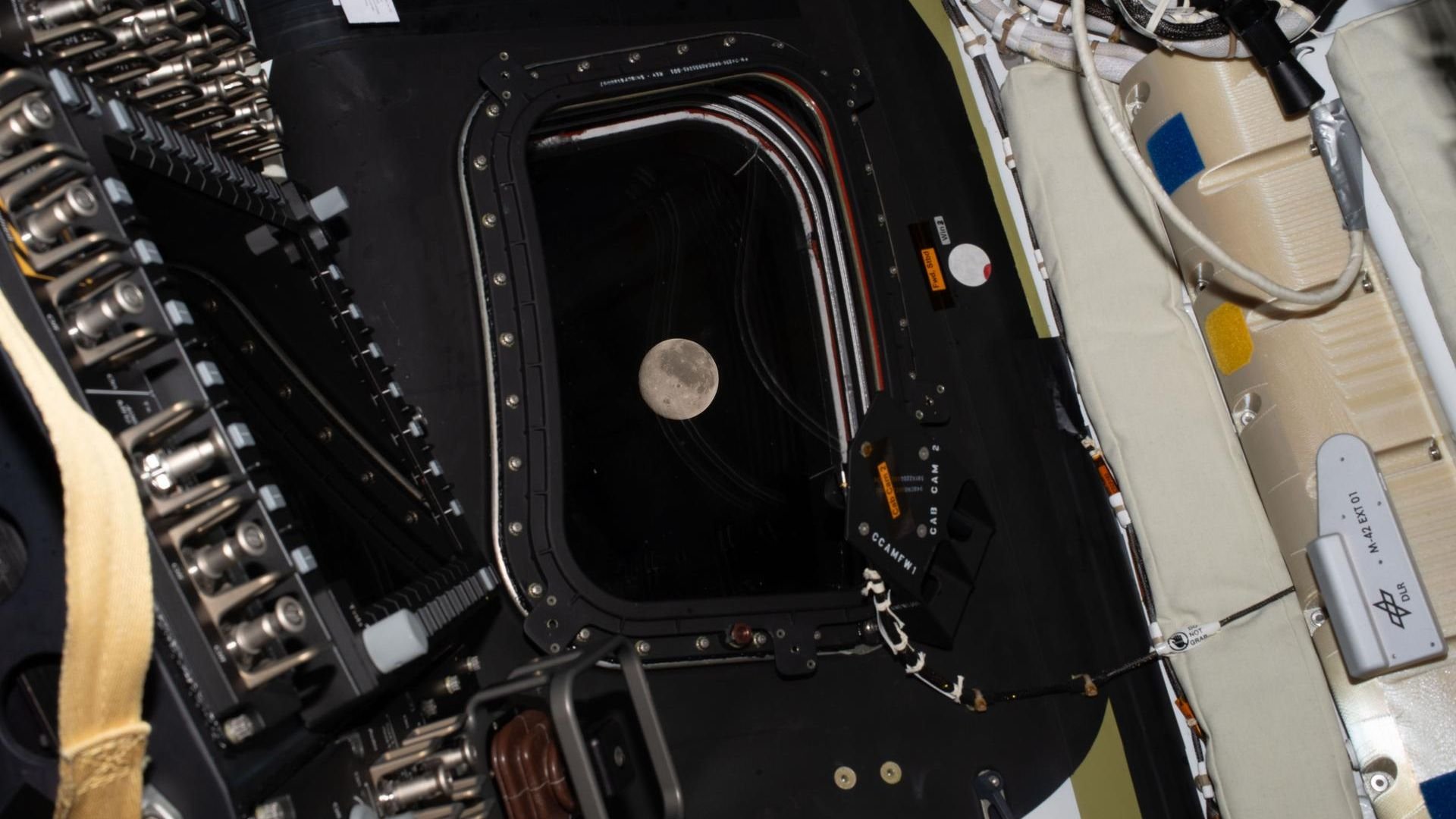
The Moon as seen from Artemis II as it enters the lunar sphere of influence. Photo: NASA
Artemis II, launched on April 3, 2026, is the first crewed mission of the Artemis program. The four astronauts aboard—Reid Wiseman, Victor Glover, Christina Koch, and Jeremy Hansen—are conducting a 10-day flight test that will pave the way for future lunar missions, including the planned Artemis III landing.
The mission's success in reaching this unprecedented distance from Earth validates the performance of the Space Launch System (SLS) rocket and the Orion spacecraft. These systems are crucial for NASA's long-term goals of establishing a lunar orbiting platform called the Gateway and eventually sending humans to Mars.
While Apollo 13's record stood for 52 years, it was achieved under dramatically different circumstances. The Apollo 13 crew reached their maximum distance during a free-return trajectory after an oxygen tank explosion forced them to abort their planned lunar landing. In contrast, Artemis II intentionally pushed these boundaries as part of its planned mission profile.
The technological advancements between the two missions are substantial. Orion features state-of-the-art life support systems, advanced computing capabilities, and improved radiation shielding compared to the Apollo-era spacecraft. These improvements are essential for the longer-duration missions planned in the Artemis program, which will eventually include stays of up to 30 days on and around the Moon.
NASA Administrator Bill Nelson emphasized the significance of this achievement: "Breaking Apollo 13's record demonstrates that we're building on the legacy of the Apollo program while pushing the boundaries of human exploration further than ever before. This is not just about setting records—it's about proving the systems that will take the next generation of explorers to the Moon and beyond."
The Artemis program represents a shift in lunar exploration strategy compared to the Apollo missions. While Apollo focused on short visits to specific landing sites, Artemis aims to establish a sustainable presence on the Moon, with plans to land the first woman and first person of color on the lunar surface.
Commercial partnerships play a significant role in the Artemis program. Companies like SpaceX are developing the Human Landing System that will transport astronauts from lunar orbit to the surface, while other contractors provide critical components for the Gateway station and surface operations.
Looking ahead, the data collected during Artemis II will inform the planning for Artemis III, currently targeted for 2027. That mission aims to land astronauts near the lunar south pole, an area of particular scientific interest due to the presence of water ice in permanently shadowed craters.
The record-breaking distance achieved by Artemis II also has implications for future Mars missions. The systems tested and proven during this flight will be crucial for the longer, more challenging journeys to the Red Planet, which could take six to nine months each way.
As Artemis II continues its journey, mission controllers are monitoring the spacecraft's systems and the crew's wellbeing. The astronauts are scheduled to return to Earth on April 10, 2026, with a splashdown in the Pacific Ocean off the coast of California.
This achievement represents more than just a numerical record—it symbolizes humanity's continuing push to explore beyond our planetary boundaries. As we celebrate this milestone, we also look forward to the discoveries and advancements that will come from the Artemis program's ambitious goals for lunar exploration and beyond.
Comments
Please log in or register to join the discussion