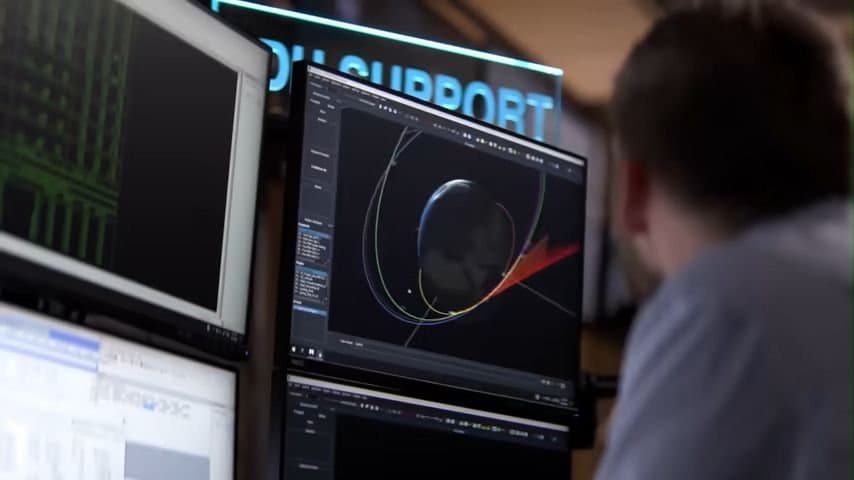
NASA's Artemis II mission will use laser-based O2O system to stream 4K moon footage at 260 Mbps, a massive leap from Apollo-era S-band radio comms
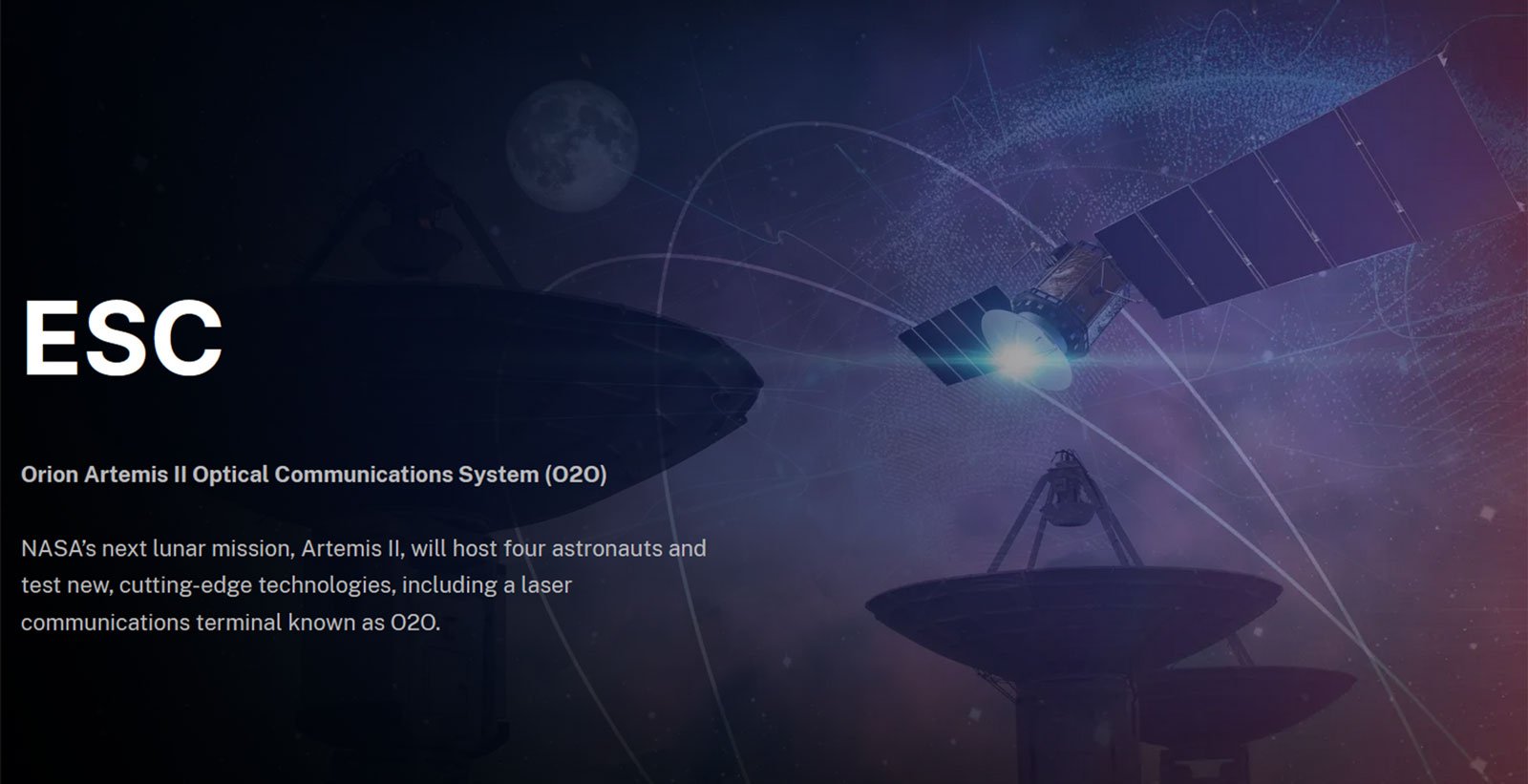
NASA's Artemis II mission represents a quantum leap in space communications technology, with the Orion spacecraft equipped with the cutting-edge Orion Artemis II Optical Communications system (O2O). This laser-based system will enable live streaming of 4K footage from the moon at speeds up to 260 Mbps, a dramatic improvement over the S-band radio communications used during the Apollo era.
The Technology Behind O2O
The O2O system represents years of development in optical communications for space applications. Unlike traditional radio frequency systems that have been the backbone of space communications since the dawn of the space age, O2O uses laser beams to transmit data between the spacecraft and Earth.
The system works by encoding data onto laser beams that are precisely aimed at ground stations on Earth. These ground stations, located in Las Cruces, New Mexico, and Table Mountain, California, were specifically chosen for their typically clear skies and favorable atmospheric conditions. The laser beams travel through space and the Earth's atmosphere to reach these stations, where they're decoded back into usable data.
Performance Capabilities
At 260 Mbps, the O2O system offers several times the bandwidth of traditional radio communications. To put this in perspective, the Deep Space Network (DSN) that supported the Apollo missions typically achieved data rates measured in kilobits per second, not megabits.
This increased bandwidth enables several mission-critical capabilities:
- High-resolution video streaming: The ability to transmit 4K video in real-time from lunar orbit
- Rapid data transfer: Faster transmission of scientific data, engineering telemetry, and mission updates
- Enhanced crew communication: Higher quality voice and video communications between astronauts and mission control
- Efficient bandwidth utilization: More data can be transmitted in less time, reducing the need for data storage on the spacecraft
Backup Systems and Redundancy
Despite the impressive capabilities of O2O, NASA isn't abandoning proven technologies. The Artemis II mission will maintain traditional radio communications through the Deep Space Network as a backup system. This redundancy is crucial for mission safety, particularly given the potential for atmospheric interference with laser communications.
Cloud cover and atmospheric conditions can affect laser signal quality, which is why having multiple ground stations in different geographic locations provides some protection against weather-related disruptions. The DSN backup ensures continuous communications capability even if laser systems encounter difficulties.
The "Dark Window" Challenge
One of the most interesting aspects of lunar communications is the phenomenon NASA refers to as the "dark window." When the spacecraft travels to the far side of the moon, it will be completely blocked from line-of-sight communication with Earth, regardless of whether using laser or radio systems.
This 41-minute communication blackout period presents unique challenges for mission operations. During this time, the spacecraft must operate autonomously, with pre-loaded instructions and onboard systems handling all critical functions without real-time input from mission control.
Historical Context and Future Implications
The evolution from Apollo's S-band radio to Artemis's laser communications mirrors the broader technological progression in data communications over the past five decades. Just as terrestrial communications evolved from dial-up modems to fiber-optic broadband, space communications are undergoing a similar transformation.
NASA's previous Lunar Laser Communications Demonstration achieved even higher data rates of 622 Mbps, suggesting that the 260 Mbps capability of O2O represents a balanced approach between performance and reliability for this mission. Looking further ahead, some near-Earth space laser communications projects have demonstrated speeds up to 200 Gbps, pointing to the potential for even more dramatic improvements in future missions.
Technical Specifications and Implementation
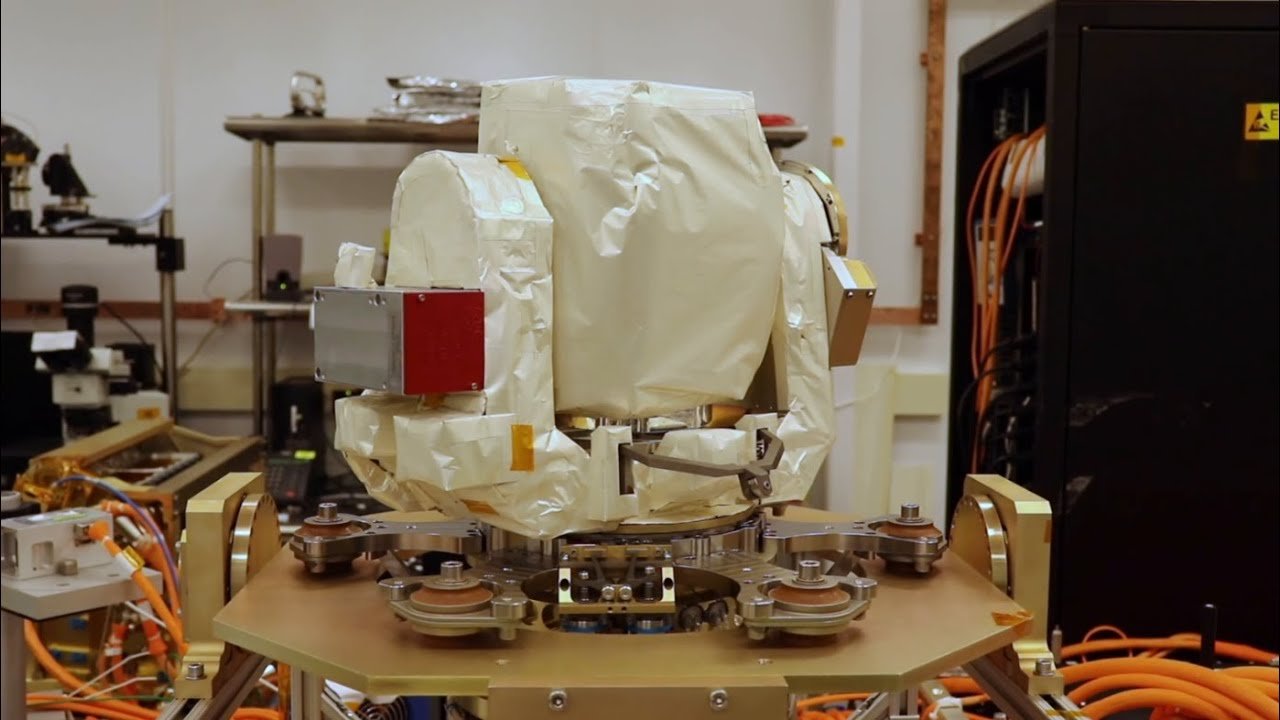
The O2O system includes several key components:
- Optical module: The laser transmitter and receiver assembly
- Pointing assembly: Precision mechanisms that maintain accurate alignment between the spacecraft and ground stations
- Modulation equipment: Systems that encode and decode the laser signals
- Ground infrastructure: The receiving stations with large telescopes and sensitive detectors
The system must maintain extremely precise pointing accuracy, as laser beams are much narrower than radio signals. Even small movements of the spacecraft or atmospheric turbulence can cause signal loss if not properly compensated.
Scientific and Operational Benefits
Beyond the impressive 4K video streaming capabilities, the increased bandwidth enables more comprehensive scientific investigations. High-resolution images, detailed spectral data, and complex scientific measurements can be transmitted more quickly, allowing for faster analysis and decision-making during the mission.
The system also supports enhanced operational capabilities:
- Real-time troubleshooting: Engineers can receive detailed system data to diagnose and resolve issues quickly
- Dynamic mission planning: New procedures and flight plans can be transmitted rapidly as mission conditions change
- Enhanced crew support: Astronauts can receive high-resolution reference materials, detailed procedures, and even medical consultation with high-quality video
Looking to the Future
The success of O2O on Artemis II could pave the way for its adoption on future deep space missions. As humanity plans for Mars exploration and beyond, the limitations of traditional radio communications become increasingly apparent. The vast distances involved in interplanetary travel make the bandwidth advantages of laser communications even more critical.
For a Mars mission, radio communications might require hours for data transmission that could be accomplished in minutes with laser systems. This could be crucial for emergency situations where rapid communication is essential for crew safety.
Technical Challenges and Solutions
Implementing laser communications in space presents several unique challenges:
Atmospheric interference: Earth's atmosphere can distort laser beams through turbulence, absorption, and scattering. Advanced adaptive optics and error correction help mitigate these effects.
Precise pointing: Maintaining accurate alignment between moving spacecraft and ground stations requires sophisticated tracking systems and fast-steering mirrors.
Power constraints: Laser transmitters must operate within the spacecraft's power budget while maintaining sufficient signal strength.
Weather dependency: Cloud cover and atmospheric conditions can interrupt communications, necessitating multiple ground stations and backup systems.
The Nikon Connection
Interestingly, the mission will also utilize Nikon digital cameras to capture images of the far side of the moon. This combination of commercial camera technology with NASA's advanced communications systems demonstrates how different technological domains are converging to enable new capabilities in space exploration.
The high-resolution images captured by these cameras, when combined with the high-bandwidth O2O system, will provide unprecedented views of lunar terrain and potentially reveal new scientific insights about our nearest celestial neighbor.
Conclusion
The Artemis II mission's use of laser communications represents more than just a technical upgrade—it's a fundamental shift in how we communicate across space. As we return to the moon and prepare for journeys to Mars and beyond, technologies like O2O will be essential for maintaining the high-bandwidth, reliable communications that modern space exploration demands.
The 260 Mbps capability, while impressive, is likely just the beginning. As laser communications technology continues to mature, future missions may achieve even higher data rates, enabling new forms of scientific investigation, more immersive crew experiences, and more responsive mission control capabilities.
For now, space enthusiasts can look forward to watching 4K footage live from the moon, a capability that would have seemed like science fiction during the Apollo era but is now becoming reality thanks to advances in optical communications technology.
Comments
Please log in or register to join the discussion