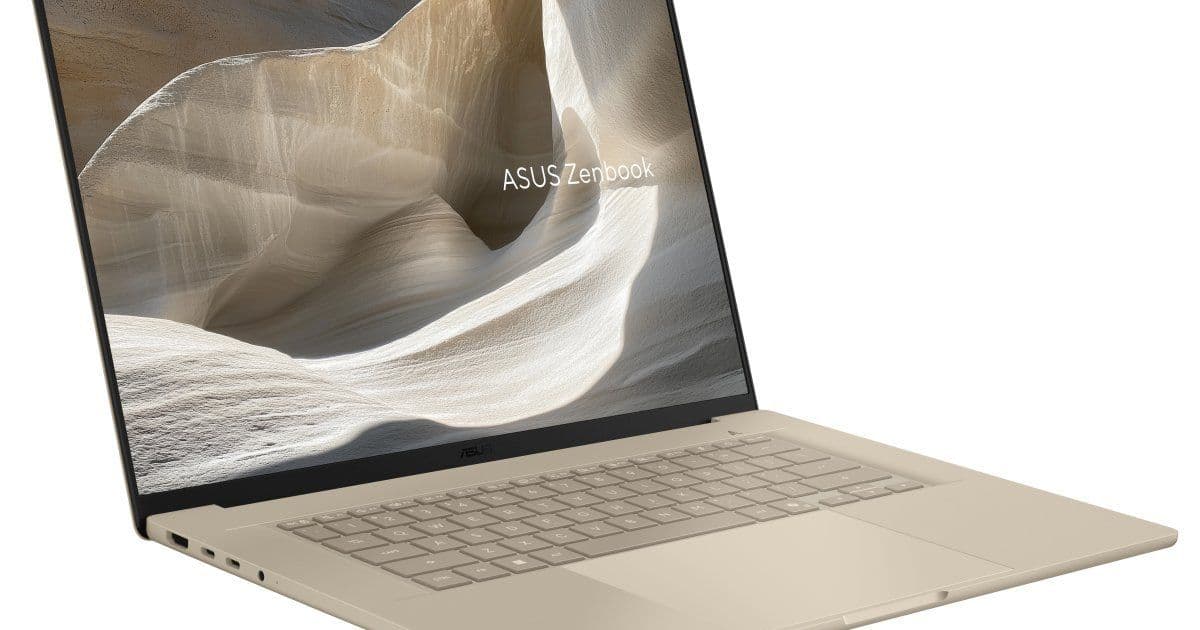
Asus has launched the first laptop powered by Qualcomm's Snapdragon X2 Elite Extreme processor, the Zenbook A16, featuring an 18-core chip, 48GB RAM, and OLED display for $1699.
Asus has launched the first laptop powered by Qualcomm's new Snapdragon X2 Elite Extreme processor, the Zenbook A16, which is now available from Best Buy for $1699. This premium laptop represents a significant milestone in the Windows on Arm ecosystem, as it's the debut device for Qualcomm's most powerful laptop processor to date.
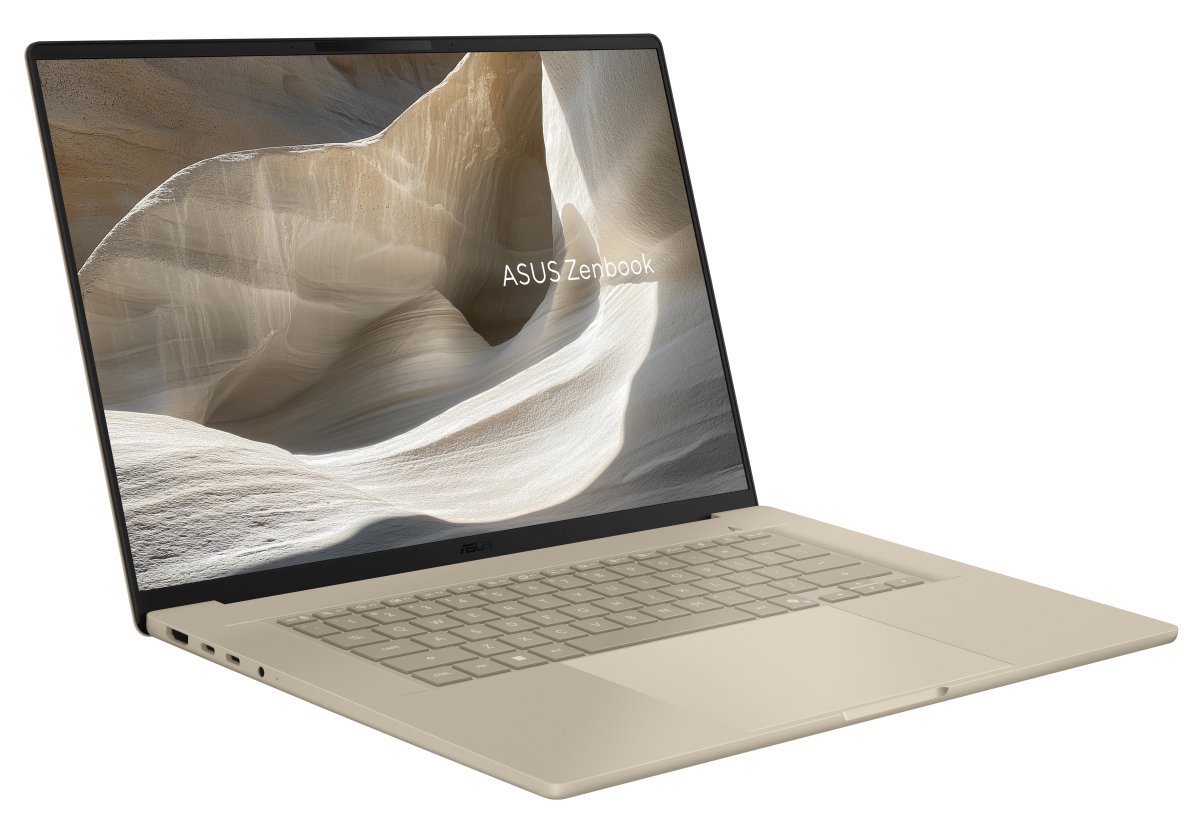
The Zenbook A16 features a 16-inch, 2880 x 1800 pixel OLED touchscreen display with a 120 Hz refresh rate and up to 1100 nits HDR peak brightness. The display quality alone makes this a compelling option for creative professionals and anyone who values visual fidelity in their work.
Under the hood, the laptop comes equipped with 48GB of onboard LPDDR5x-9600 memory and a 1TB PCIe 4.0 NVMe SSD. Despite its large screen, the Zenbook A16 maintains a remarkably lightweight profile at just 2.87 pounds and 0.65 inches at its thickest point. Asus achieves this portability through its "ceraluminum" finish - a proprietary material created by applying plasma electrolytic oxidation to magnesium-aluminum alloy, resulting in a durable, scratch-resistant finish.
Powering the system is Qualcomm's Snapdragon X2 Elite Extreme (X2E-96-100) processor, an 18-core chip with support for frequencies up to 5 GHz. The processor includes Adreno X2-90 graphics with speeds up to 1.85 GHz and an impressive 80 TOPS NPU (Neural Processing Unit) for AI workloads.
Early benchmarks suggest this chip is genuinely competitive with Apple's M5 processor, particularly in multi-core performance where it reportedly outperforms Apple's offering. However, it trails slightly in single-core tasks. This performance profile represents a significant achievement for Qualcomm, as it demonstrates that Arm-based processors can now compete directly with the best x86 chips in the market.
Interestingly, while the Snapdragon X2 Elite Extreme delivers impressive performance, early reviews indicate that Intel's latest Panther Lake chips may still hold an advantage in efficiency. Laptops powered by Intel's processors are showing longer battery life than the Zenbook A16, representing an interesting reversal of the traditional Arm versus x86 dynamic where Arm chips were typically more efficient but less powerful.
The Zenbook A16 includes a 70 Wh battery with a 130W power adapter, an FHD IR webcam, WiFi 7 and Bluetooth 5.4 support, and a comprehensive selection of ports:
- 2 x USB4 (40 Gbps, USB-PD, and DP Alt Mode)
- 1 x USB 3.2 Gen 2 Type-A (10 Gbps)
- 1 x HDMI 2.1
- 1 x 3.5mm audio jack
- 1 x SD 4.0 card reader
One consideration for potential buyers is application compatibility. While Windows 11 includes an emulation layer called Prism that allows x86 applications to run on Arm-based systems, performance can vary. Some applications may run slower than native Arm versions, while others may not run at all. Certain games are still known to crash on Arm-based Windows PCs, though this situation continues to improve as developers compile more applications natively for Arm architecture.
The $1699 price point positions the Zenbook A16 as a premium device rather than a budget option. Given its cutting-edge processor, high-end display, substantial memory and storage, and premium build quality, the pricing appears reasonable for the specifications offered.
This launch could mark a turning point for Windows on Arm PCs. With Qualcomm finally offering a processor that can genuinely compete with the best from Intel and AMD in terms of raw performance, while maintaining the efficiency advantages that Arm architecture is known for, we may see increased adoption of Arm-based Windows laptops in the coming years.
For creative professionals, developers, and power users who want to be on the cutting edge of laptop technology and don't mind navigating the current application compatibility landscape, the Zenbook A16 represents an intriguing option that showcases the potential of the Windows on Arm platform.
Comments
Please log in or register to join the discussion