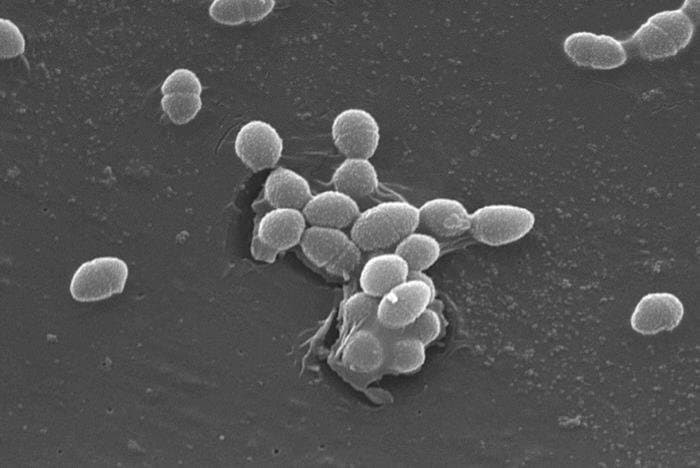
Researchers have discovered that Enterococcus faecalis bacteria suppress immune responses in chronic wounds by releasing lactic acid, which silences macrophage activation and allows persistent, polymicrobial infections to take hold.
Chronic wound infections represent one of the most stubborn challenges in modern medicine. Unlike acute wounds that heal within weeks, chronic wounds like diabetic foot ulcers and post-surgical infections can persist for months or even years, creating a heavy burden on patients and healthcare systems. These wounds often lead to serious complications, including amputations, and are notoriously resistant to conventional treatments.
A groundbreaking study from the Singapore-MIT Alliance for Research and Technology (SMART) has uncovered a key mechanism behind this persistence: a common bacterium called Enterococcus faecalis (E. faecalis) actively suppresses the body's immune defenses through lactic acid production.
The Immune System's First Line of Defense
When the body encounters an infection, macrophages serve as the immune system's first responders. These specialized immune cells patrol tissues, recognize pathogens, and initiate inflammatory responses to clear infections. They achieve this through a complex signaling cascade involving NF-κB, a protein complex that acts as an alarm system, triggering the production of inflammatory molecules that recruit additional immune cells and coordinate the body's defense.
However, in chronic wounds infected with E. faecalis, this alarm system appears to be silenced.
The Lactic Acid Mechanism
The research team discovered that E. faecalis produces large amounts of lactic acid during infection. This isn't simply a metabolic byproduct—it's a deliberate immunosuppressive strategy. The lactic acid creates an acidic environment that interferes with macrophage function through two distinct pathways:
First, lactic acid enters macrophages through a transporter called MCT-1. Second, it binds to a lactate-sensing receptor on the cell surface called GPR81. By engaging both pathways simultaneously, E. faecalis effectively shuts down the downstream immune signaling that would normally activate these cells.
This dual mechanism prevents NF-κB from switching on inside macrophages, essentially muting their ability to send out "danger" signals. Without these signals, the immune system remains unaware that an infection is present, allowing the bacteria to persist unchallenged.
The Two-Step Suppression Strategy
The researchers documented a sophisticated two-step mechanism:
- Acidification: E. faecalis releases lactic acid, lowering the pH of the wound environment
- Signal Interference: The acidic conditions and direct lactate signaling suppress macrophage activation pathways
This combination proves particularly effective because it targets the very cells responsible for initiating the immune response. Without properly activated macrophages, the wound becomes a sanctuary where bacteria can thrive undetected.
Experimental Evidence
To validate their findings, the researchers used a mouse wound model. When mice were infected with normal E. faecalis strains, the bacteria persisted in the wounds, and immune activity remained suppressed. However, when mice were infected with E. faecalis strains genetically modified to be unable to produce lactic acid, the bacteria were cleared much more quickly, and the wounds showed significantly stronger immune activity.
This clear difference between normal and lactic acid-deficient strains provided compelling evidence that lactic acid production is essential for E. faecalis's ability to establish persistent infections.
The Polymicrobial Connection
The implications extend beyond E. faecalis alone. The study found that in wounds co-infected with both E. faecalis and Escherichia coli (E. coli), the immune suppression caused by lactic acid allowed E. coli to grow better as well. This explains why chronic wound infections often involve multiple bacterial species and become increasingly complex over time.
E. faecalis appears to create a permissive environment where other pathogens can establish themselves, leading to polymicrobial infections that are particularly difficult to treat. Each additional species adds another layer of complexity to the infection, making eradication increasingly challenging.
Clinical Significance
This discovery has profound implications for wound care and infection management. As Ronni da Silva, the study's first author, explains: "Chronic wound infections often fail not because antibiotics are powerless, but because the immune system has effectively been 'switched off' at the infection site."
Kimberly Kline, principal investigator at SMART AMR and corresponding author, emphasizes that understanding this mechanism opens new therapeutic avenues: "By revealing how the immune response is shut down, this research may help improve infection management and support better recovery outcomes for patients, especially those with chronic wounds or weakened immunity."
Beyond Antibiotics: New Treatment Approaches
The traditional approach to bacterial infections has relied heavily on antibiotics. However, this strategy has limitations, particularly in chronic wounds where bacteria can form protective biofilms and where the immune system is already compromised.
This research suggests alternative approaches that focus on restoring immune function rather than simply killing bacteria:
- pH modulation: Reducing wound acidity to counteract the immunosuppressive effects of lactic acid
- Signal pathway targeting: Blocking the specific receptors and transporters that lactic acid uses to suppress immune cells
- Immune system support: Developing therapies that help macrophages overcome the suppression and resume their normal function
These approaches could complement or even replace antibiotic treatments in some cases, potentially reducing the development of antibiotic resistance while improving healing outcomes.
Future Directions
The research team plans to extend their work in several important ways. They aim to validate their findings in additional pathogenic bacteria and human wound samples, moving beyond the mouse model to ensure clinical relevance. They also plan to assess their findings in advanced preclinical models ahead of potential clinical trials.
The ultimate goal is to translate these insights into practical treatments that can help patients with chronic wounds heal more reliably and reduce the risk of serious complications.
A Paradigm Shift in Infection Management
This research represents a fundamental shift in how we understand and approach chronic wound infections. Rather than viewing these infections as simply bacterial overgrowth problems, the study reveals them as complex interactions between pathogens and the immune system, where bacteria actively manipulate host defenses.
The discovery that E. faecalis uses lactic acid as an immunosuppressive weapon demonstrates the sophisticated strategies that bacteria have evolved to establish persistent infections. It also highlights the importance of considering the immune environment when developing treatments for chronic wounds.
As healthcare systems worldwide grapple with rising rates of diabetes, an aging population, and increasing antibiotic resistance, understanding these mechanisms becomes increasingly critical. The insights from this research could lead to more effective treatments for the millions of patients worldwide who suffer from chronic wounds, potentially preventing amputations and improving quality of life.
This work exemplifies how basic research into host-pathogen interactions can yield practical insights with significant clinical impact, offering hope for better management of one of medicine's most challenging problems.
Comments
Please log in or register to join the discussion