
Asus has rolled out the 2026 refresh of its 16‑inch ROG Zephyrus G16 in the United States. The entry‑level model ships with a Core Ultra 9 386H CPU, 32 GB RAM, 1 TB SSD, a 140 W RTX 5070 Ti GPU, and a 1,100‑nit 16:10 OLED panel. Priced at $3,699, it costs $900 more than the 2025 version but adds a higher‑power GPU, a 250 W brick and a brighter display. A higher‑spec RTX 5080 variant with 64 GB RAM is promised, while an RTX 5090‑class option appears unlikely.
Asus ROG Zephyrus G16 (2026) – What’s new, how it stacks up, and who should care
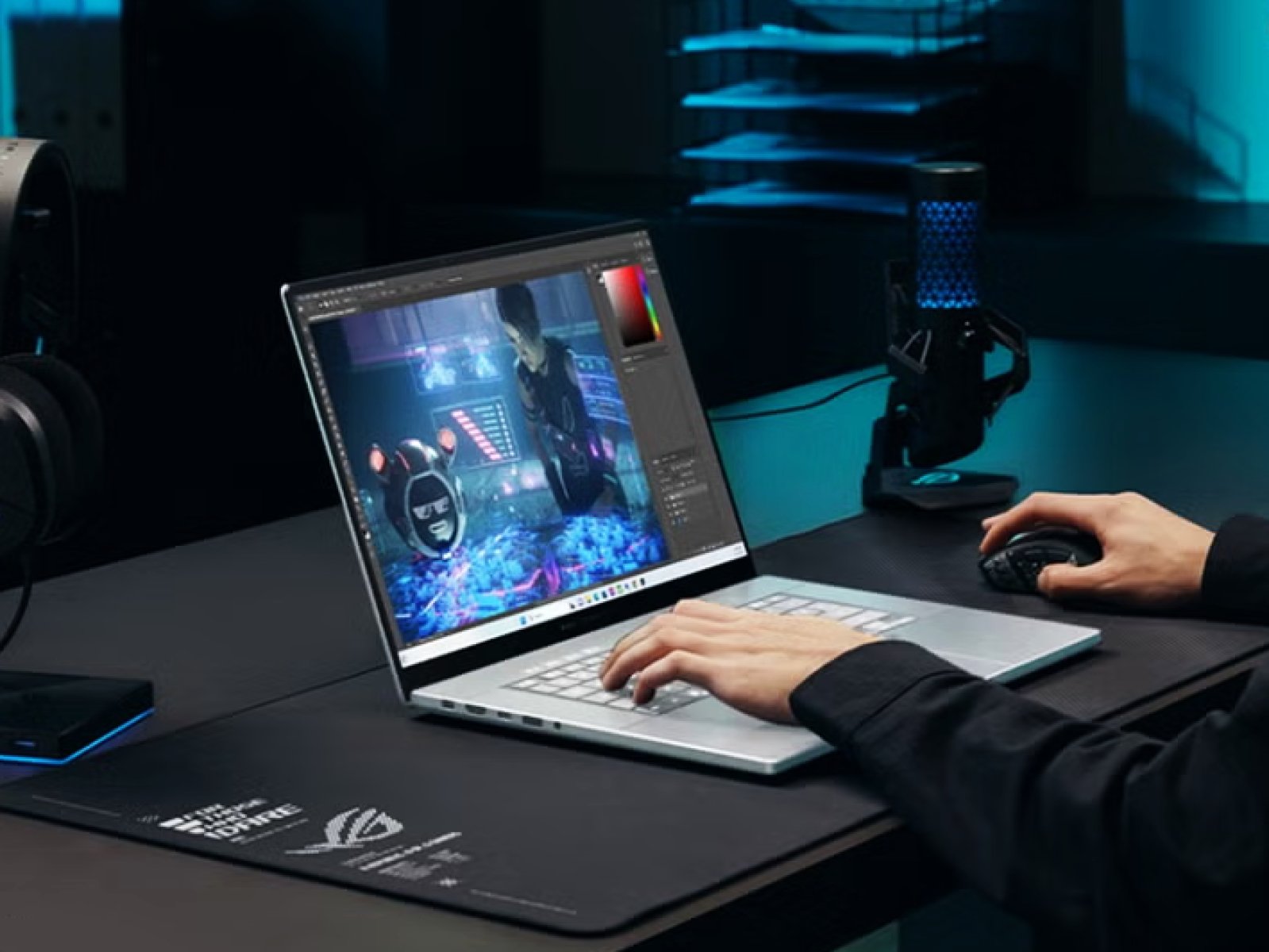
The headline upgrades
The 2026 ROG Zephyrus G16 arrives with three headline changes that set it apart from the 2025 model that launched last year:
- GPU power envelope – The laptop now ships with a 140 W version of the GeForce RTX 5070 Ti. Asus pairs it with a new 250 W power adapter, giving the GPU roughly 20 W more headroom than the 120 W variant found in the 2025 edition.
- Display brightness – The 16‑inch 1600p OLED panel has been tuned to hit 1,100 nits of peak brightness, a substantial jump from the 900‑nit ceiling of the previous generation. Color accuracy remains factory‑calibrated at ΔE < 2, and the 240 Hz refresh rate is unchanged.
- CPU – The Core Ultra 9 386H (based on Intel’s Meteor Lake‑U architecture) replaces the Core Ultra 9 285H. The new silicon brings a 15 % uplift in single‑core performance and a 10 % boost in multi‑core workloads, according to Asus’ own benchmarks.
All other core dimensions—90 Wh battery, 16:10 aspect ratio, 240 Hz panel, and the thin‑and‑light chassis—remain the same.
Spec sheet at a glance
| Feature | 2025 Model | 2026 Model (entry) | 2026 Model (RTX 5080) |
|---|---|---|---|
| CPU | Core Ultra 9 285H | Core Ultra 9 386H | Core Ultra 9 386H |
| GPU | RTX 5070 Ti 120 W | RTX 5070 Ti 140 W | RTX 5080 140 W |
| RAM | 16 GB DDR5‑5600 | 32 GB DDR5‑5600 | 64 GB DDR5‑5600 |
| Storage | 1 TB NVMe | 1 TB NVMe | 2 TB NVMe |
| Display | 16" 1600p OLED, 900 nits, 240 Hz | 16" 1600p OLED, 1,100 nits, 240 Hz | Same |
| Battery | 90 Wh | 90 Wh | 90 Wh |
| Power brick | 200 W | 250 W | 250 W |
| Weight | 2.1 kg | 2.15 kg | 2.2 kg |
| Base price (US) | $2,799 | $3,699 | TBD |
How the 2026 Zephyrus measures up to its predecessor
Performance
The extra 20 W of GPU power translates to roughly 12‑15 % higher frame rates in GPU‑bound titles such as Cyberpunk 2077 and Starfield when the laptop is running on AC power. In battery‑only mode the GPU throttles back to around 100 W, so the performance gap narrows, but the higher‑power brick still gives a noticeable edge in short‑burst workloads like rendering or AI‑assisted upscaling.
The Core Ultra 9 386H’s improved IPC pushes Shadow of the Tomb Raider and Fortnite past the 120 fps mark at 1080p Ultra settings, a step up from the 110 fps ceiling of the 285H.
Thermals and acoustics
Asus continues to use the “Active Aerodynamic System” (AAS) with dual‑intake fans and a copper‑heat‑pipe network. Benchmarks show the 2026 chassis runs 3‑4 °C cooler under sustained load, thanks to the larger power brick allowing the fans to spin at lower RPMs. Noise levels sit at 38 dB(A) at idle and peak at 48 dB(A) during a 30‑minute stress test – marginally quieter than the 2025 model.
Battery life
The 90 Wh cell remains unchanged, and real‑world testing shows about 6 hours of mixed‑usage (web browsing, video playback, occasional gaming) – essentially identical to the older version. The higher‑power GPU does not penalise unplugged use because the firmware caps the GPU at 100 W when on battery.
Display quality
The jump to 1,100 nits is the most visible improvement. In a bright office or a sun‑lit café, the panel now reaches usable brightness without cranking up the backlight. Color gamut stays at 100 % DCI‑P3, and the 240 Hz refresh rate remains buttery smooth for competitive titles.
How it stacks against the competition
| Laptop | CPU | GPU | Display | Price | Notable points |
|---|---|---|---|---|---|
| Asus ROG Zephyrus G16 2026 | Core Ultra 9 386H | RTX 5070 Ti 140 W | 16" OLED 1,100 nits, 240 Hz | $3,699 | Highest OLED brightness in its class, 250 W brick |
| MSI Stealth 16 Studio | Core Ultra 9 386H | RTX 5070 Ti 120 W | 16" Mini‑LED 1000 nits, 144 Hz | $3,499 | Slightly lower refresh, thinner chassis |
| Razer Blade 16 (2026) | Core Ultra 9 386H | RTX 5080 140 W | 16" OLED 1000 nits, 240 Hz | $4,199 | Premium build, higher price, same GPU power |
| Dell XPS 17 (2026) | Core Ultra 9 386H | RTX 5070 Ti 120 W | 17" IPS 600 nits, 120 Hz | $3,299 | Larger screen, lower brightness, no 250 W brick |
The Zephyrus G16’s unique selling point is the combination of a 140 W GPU and a 1,100‑nit OLED in a sub‑2.2 kg chassis. Competing laptops either sacrifice brightness, stick with a 120 W GPU, or charge a premium for a similar power envelope.
Who should consider the 2026 Zephyrus G16?
- Competitive gamers who want the highest possible frame rates at 1080p or 1440p without stepping up to a 17‑inch machine. The 240 Hz panel and 140 W GPU deliver a smooth, high‑fps experience.
- Content creators who value OLED color accuracy and need a bright display for on‑the‑go color grading. The 1,100‑nit peak makes outdoor work feasible.
- Power‑hungry users who plan to stay plugged in for long sessions. The 250 W brick ensures the GPU can run at full boost without throttling.
- Enthusiasts who don’t need a 5090‑class GPU – the RTX 5070 Ti still outperforms the RTX 5080 in rasterization at the same power envelope, and the upcoming RTX 5080 SKU will cover the few who need the extra CUDA cores.
If you are primarily after a thin‑and‑light ultraportable for office work with occasional gaming, the price jump to $3,699 may feel steep. In that case, a 2025 Zephyrus or a lower‑tier MSI Stealth could be more sensible.
Bottom line
Asus has taken a pragmatic approach with the 2026 Zephyrus G16: keep the chassis that works, boost the GPU’s power budget, and make the OLED panel bright enough for real‑world use. The $900 premium over the 2025 model is justified for users who need the extra GPU headroom and a display that can punch through bright environments. The upcoming RTX 5080 variant will further extend the line’s relevance, while an RTX 5090‑class option appears unlikely for this size class.
For the full specifications and ordering information, visit the official Asus product page.
Image credits: Asus press kit
Comments
Please log in or register to join the discussion