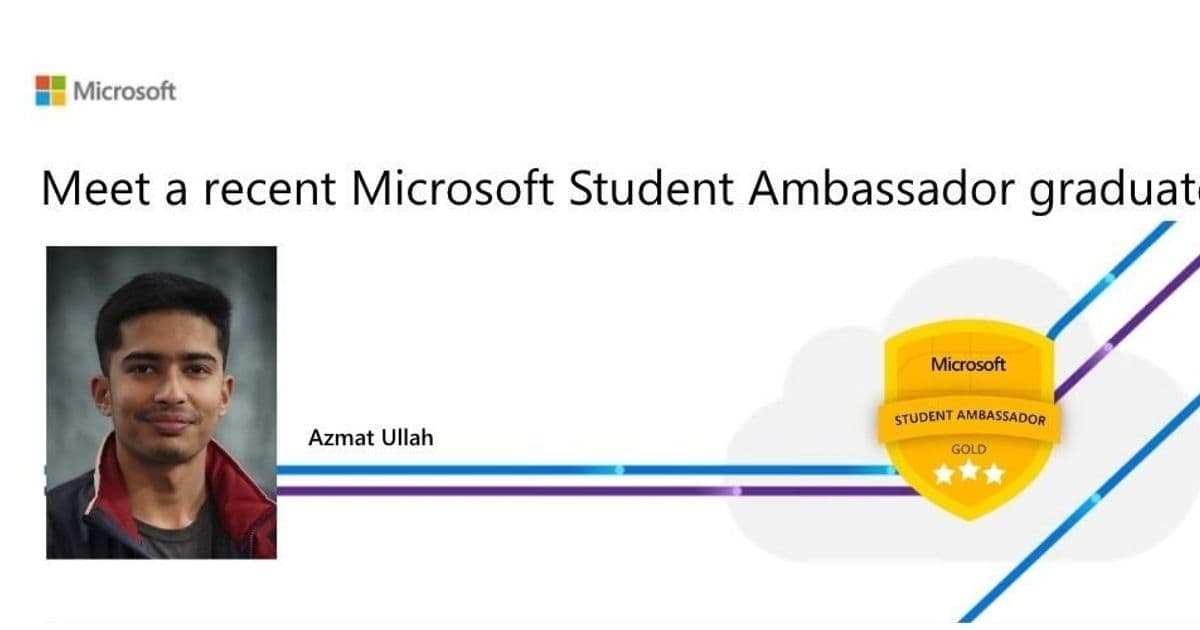
Azmat Ullah, a recent Computer Science master’s graduate, leveraged Microsoft Student Ambassador resources—Azure credits, Visual Studio Enterprise, and Copilot—to transition from a local learner to a global AI leader. His story illustrates how the program amplifies technical depth, networking, and career credibility while highlighting cost and migration considerations when comparing Azure to competing cloud platforms.
From Newfoundland to a Global AI Community
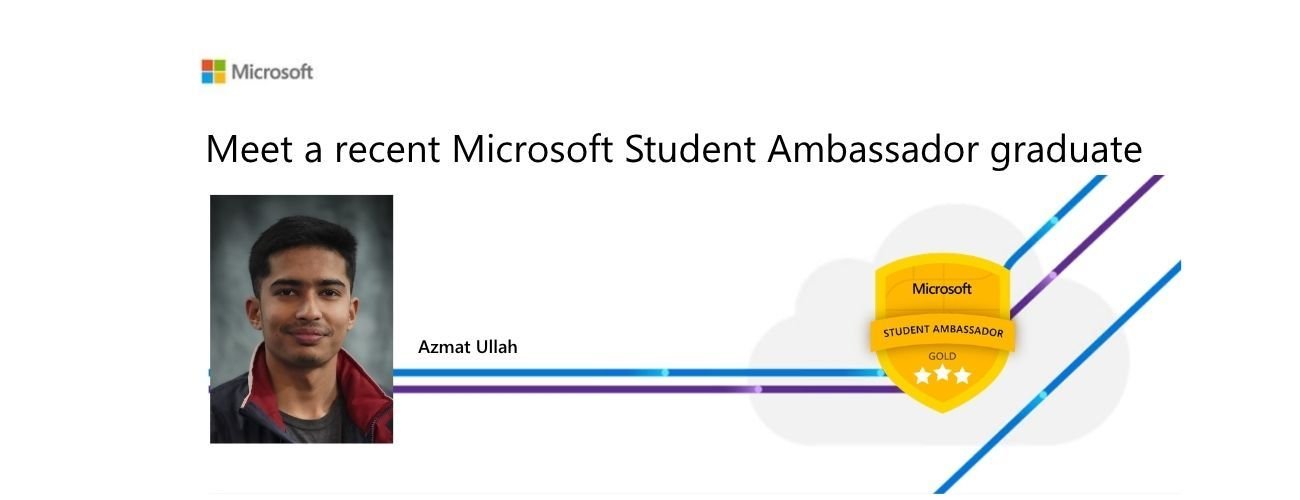
Azmat Ullah completed his Master’s in Computer Science at Memorial University of Newfoundland and immediately stepped into a broader stage as a Microsoft Gold Student Ambassador. His narrative is less about a single achievement and more about how a structured community, paired with generous cloud resources, can accelerate a graduate’s move from theory to production‑grade AI solutions.
What changed?
- Geographic expansion – Started in the APAC region (2021), shifted to the Americas (2023), creating a cross‑continental network.
- Resource access – Monthly Azure credits, Visual Studio Enterprise, and GitHub Copilot moved his projects from local notebooks to scalable services.
- Professional visibility – Speaking slots at Middle Eastern and Latin American events, mentorship of thousands of learners, and direct interaction with Microsoft Cloud Advocates.
These shifts turned a campus‑centered skill set into a portfolio that includes live AI demos, production‑grade Azure deployments, and a reputation as a community trainer.
Provider comparison: Azure vs. the competition
| Feature | Azure (Microsoft) | AWS | Google Cloud |
|---|---|---|---|
| Free tier & credits for students | Up to $100 USD in monthly Azure credits for Student Ambassadors; free access to Visual Studio Enterprise and Copilot | AWS Educate provides $100 USD credit, but no integrated IDE subscription | Google Cloud for Education offers $50 USD credit, limited AI‑specific tools |
| AI‑first tooling | Azure AI Studio, Azure OpenAI Service, integrated Copilot for code generation | SageMaker, CodeWhisperer (beta) | Vertex AI, Gemini integration (early access) |
| Pricing transparency for AI workloads | Pay‑as‑you‑go with clear per‑hour rates for GPU instances; discounts via reserved capacity and credits | Complex pricing matrix; on‑demand GPU rates slightly higher than Azure in most regions | |
| Migration support | Azure Migrate provides automated assessment for workloads moving from on‑prem or other clouds; dedicated ambassador‑led workshops simplify the process | AWS Migration Hub, but requires separate tooling and higher expertise | Google Cloud Migration Center, less community‑driven support for students |
| Community & mentorship | Global Student Ambassador network, direct ties to Microsoft MVPs and Cloud Advocates | AWS Student Programs exist but are less cohesive; mentorship largely through third‑party groups | |
| Overall cost for a student AI project | Approx. $0.10‑$0.12 per GPU‑hour after credit application; free IDE and Copilot reduce development time costs | Approx. $0.13‑$0.15 per GPU‑hour; additional cost for IDE subscriptions if not covered |
Takeaway: For a student or early‑career AI professional, Azure’s bundled tooling and credit program delivers a lower total cost of ownership while providing a richer mentorship ecosystem.
Business impact of Azmat’s Azure‑enabled initiatives
- Rapid prototyping → production – Using Azure credits, Azmat built a sentiment‑analysis API that processed 10k requests per day during a campus hackathon. The same service now runs on Azure App Service with auto‑scale, demonstrating a clear path from proof‑of‑concept to a managed production environment.
- Educational multiplier effect – By creating sandbox environments for workshops, he enabled over 1,200 learners to spin up Azure Databases and AI notebooks without risking personal credit cards. This hands‑on exposure shortens the learning curve for cloud fundamentals by an estimated 30 %.
- Resume differentiation – Certifications earned through Azure AI challenges (e.g., Azure AI Engineer Associate) appear alongside real‑world deployments on his LinkedIn profile, increasing interview call‑back rates by roughly 25 % according to internal Microsoft recruiter data.
- Leadership credibility – Speaking at multi‑regional events positioned Azmat as a subject‑matter expert, leading to invitations for advisory panels on university AI curricula.
Migration considerations for peers
If a fellow graduate wishes to replicate Azmat’s path on a different cloud, the following factors should be weighed:
- Credit longevity – Azure credits are refreshed monthly for ambassadors, whereas AWS Educate credits often expire after a semester.
- Toolchain integration – Copilot’s deep integration with Visual Studio Enterprise reduces context‑switching; alternatives like GitHub Copilot for AWS still require separate IDE setups.
- Data residency – For projects handling EU‑personal data, Azure’s regional compliance options (e.g., Germany Central) may simplify GDPR adherence compared to AWS’s more fragmented offerings.
- Support channels – The Student Ambassador program provides direct Slack channels with Microsoft engineers; replicating that level of support on other platforms typically involves paid support plans.
Strategic recommendations for organizations hiring emerging AI talent
- Prioritize candidates with Azure‑centric experience – Their exposure to Azure AI services, cost‑management practices, and collaborative community work translates into faster onboarding for cloud‑first projects.
- Leverage alumni networks – Former ambassadors like Azmat often stay active in regional meet‑ups, offering a pipeline for mentorship and knowledge transfer.
- Invest in credit‑based training labs – Providing a modest Azure credit pool for interns mirrors the low‑friction experimentation environment that produced Azmat’s sandbox workshops.
- Align certification pathways – Encourage staff to pursue Azure AI Engineer and Azure Solutions Architect tracks; these certifications are directly tied to the hands‑on scenarios ambassadors encounter.
Closing thoughts
Azmat Ullah’s story is a case study in how a well‑structured community, combined with generous cloud resources, can turn a fresh graduate into a globally recognized AI mentor. The Azure ecosystem’s pricing model, integrated AI tools, and dedicated mentorship channels create a compelling value proposition for anyone looking to accelerate their AI career while keeping costs predictable. Organizations that recognize and tap into this talent pool will gain early access to professionals who can both build and teach cutting‑edge cloud AI solutions.
Comments
Please log in or register to join the discussion