
Microsoft's Azure SRE Agent enters preview promising AI-driven incident resolution and operational automation, but early testing reveals critical limitations in accuracy and workflow execution that enterprises must weigh against competing solutions.
The New Operational Paradigm
Microsoft's Azure SRE Agent (Preview) marks a strategic shift toward AI-augmented cloud operations. Designed to reduce manual toil, the service integrates with Azure services like Container Apps, Cosmos DB, and Log Analytics through Azure CLI and REST APIs. Its dual functionality targets two pain points: automating incident resolution (reducing MTTR) and executing scheduled workflows for proactive maintenance.
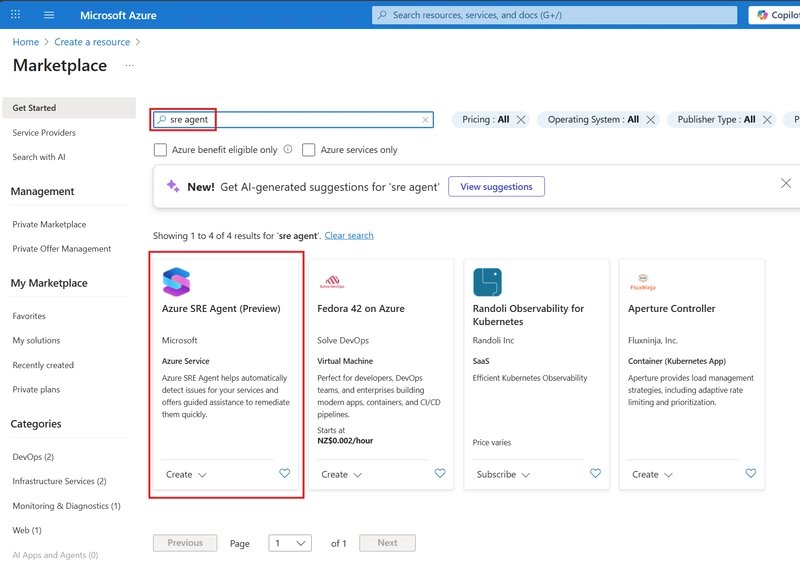
How It Operates
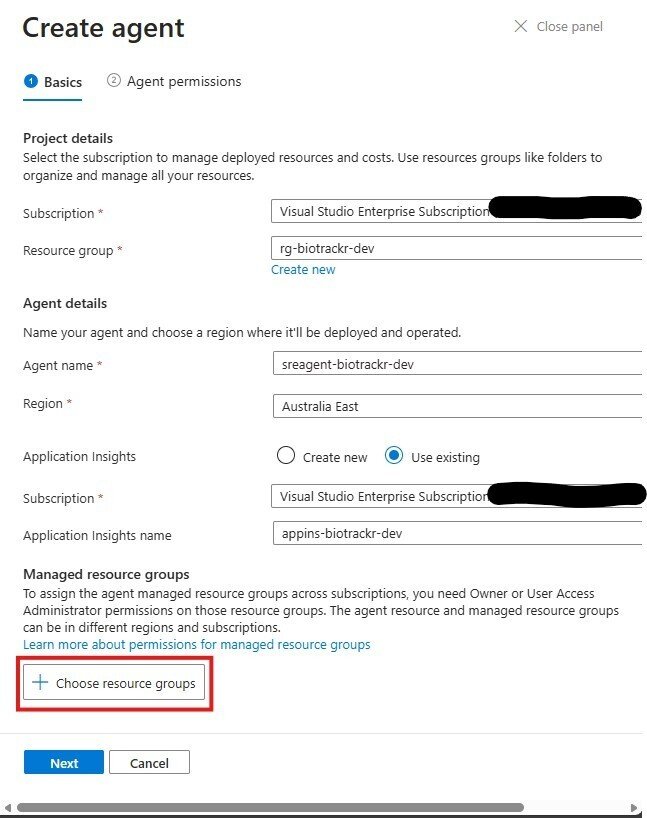
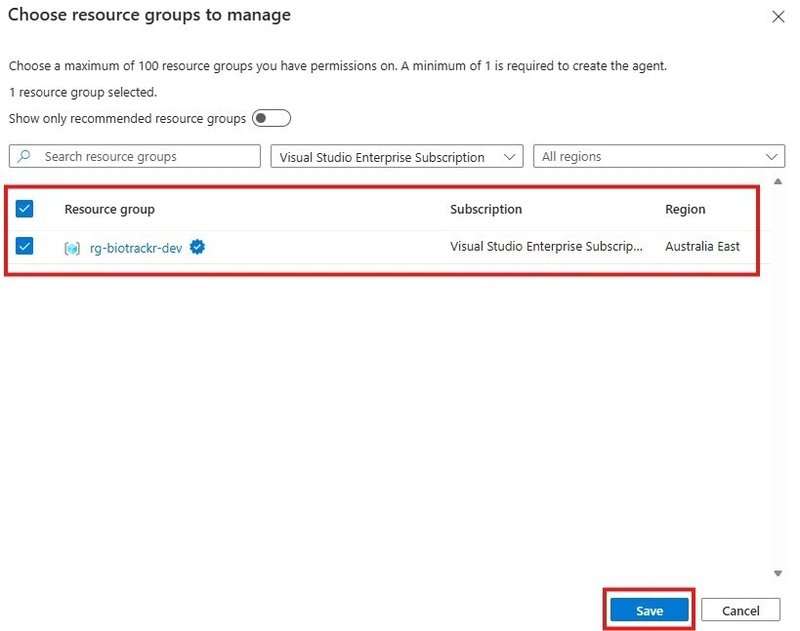
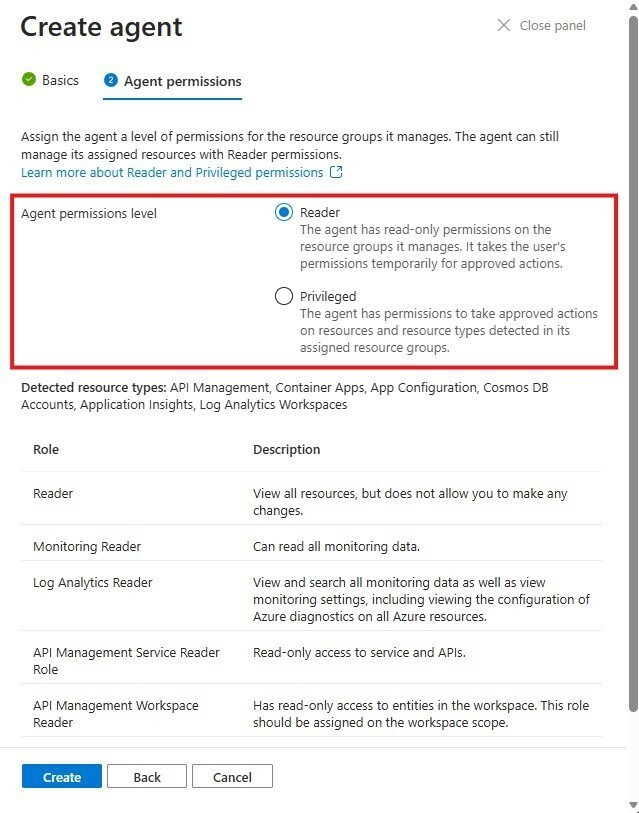
SRE Agents deploy with prebuilt Azure service knowledge and execute actions via managed identities. During provisioning, administrators define resource group access boundaries and permission levels:
- Reader: Requires manual approval for actions
- Privileged: Autonomous execution rights
The service creates supporting resources including App Insights for monitoring and a managed identity with RBAC assignments. Current limitations include no IaC support (Bicep/Terraform), restricted regional availability (Australia East, East US 2, Sweden Central), and resource-group-level scoping rather than subscription-wide management.
Comparative Landscape
Azure SRE Agent enters a competitive space with distinct approaches:
| Provider | Offering | Action Capability | Differentiator |
|---|---|---|---|
| Azure SRE Agent | AI-driven diagnostics & execution | Full CLI/REST API actions | Direct remediation without human intervention |
| AWS DevOps Guru | Anomaly detection | Recommendations only | ML-powered insights without execution |
| Google Cloud Ops | Monitoring & alerting | Limited auto-remediation | Tight Kubernetes integration |
Unlike competitors' advisory approaches, Azure's solution uniquely executes corrective actions—a double-edged sword where errors compound operational risk.
Practical Evaluation Findings
Testing revealed significant gaps:
- Discovery Inaccuracy: Queries like "List all container apps" returned resources from wrong regions, requiring manual refinement
- Action Failures: Attempts to roll back faulty container app revisions triggered:
- CLI command errors (
--max-replicasrange issues) - Incorrect revision mode switches
- 5-minute fixes taking 60+ minutes due to latency
- CLI command errors (
- Permission Challenges: Reader-mode approvals suffered workflow breakdowns during OBO (on-behalf-of) elevation
Business Impact Analysis
Potential Benefits:
- 30-50% faster onboarding for new engineers exploring resources
- Theoretical MTTR reduction through automated incident resolution
- Consolidated operational interface for complex environments
Critical Limitations:
- Accuracy Risk: Hallucinations in resource discovery undermine trust
- Latency: Slow execution negates time-saving promises
- Governance Gap: No IaC support complicates compliance auditing
- Architectural Constraints: Resource-group-level scope limits enterprise deployment
Strategic Recommendations
- Trial Scope: Restrict to non-production environments until GA
- Hybrid Approach: Pair with AWS DevOps Guru for advisory + Azure execution
- Wait for Maturity: Prioritize adoption post-IaC support and permission scoping improvements
- Monitor Pricing: Preview lacks cost structure details—evaluate against manual labor costs
The Path Forward
Azure SRE Agent's vision of AI-driven operations is compelling but unpolished. For enterprises, the service warrants monitoring but not immediate adoption except in low-risk scenarios. Microsoft must address accuracy, latency, and enterprise readiness before challenging established SRE workflows. Early adopters should focus on discovery use cases while avoiding critical-path remediation until the solution matures.
Resources:
Comments
Please log in or register to join the discussion