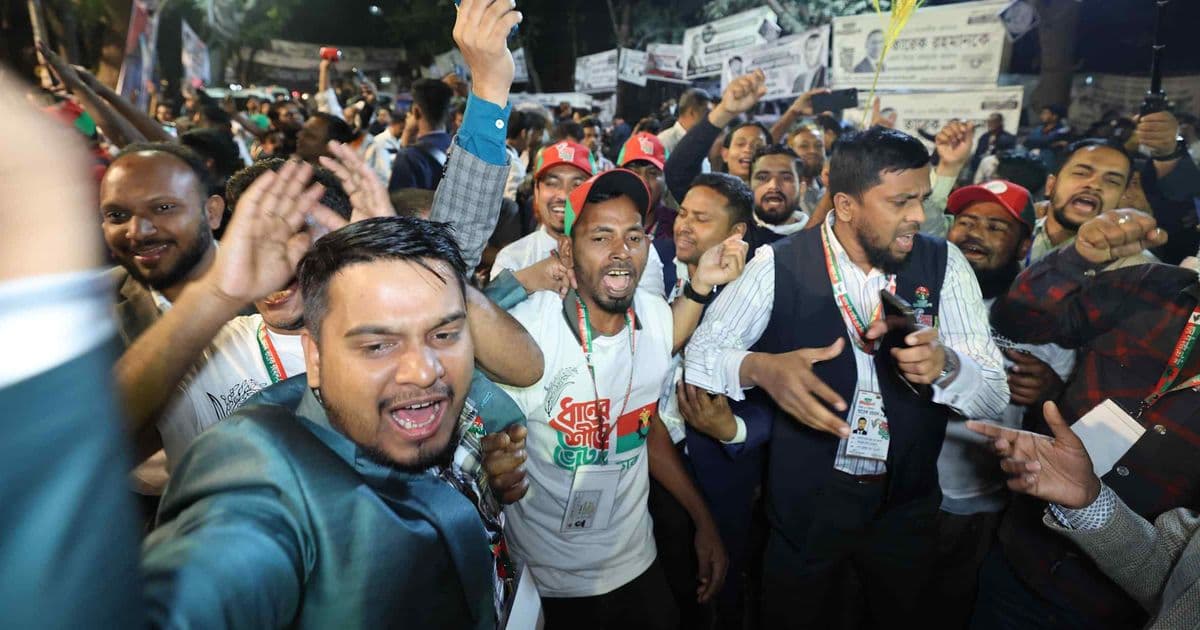
Unofficial results indicate Bangladesh Nationalist Party set for strong parliamentary win, signaling potential shift in regional dynamics and economic policy.
Bangladesh's opposition Bangladesh Nationalist Party (BNP) appears headed for a decisive victory in Thursday's parliamentary election, according to unofficial results broadcast by local television channels. The outcome would mark a significant political shift in the South Asian nation following months of political unrest and student-led protests that forced Prime Minister Sheikh Hasina from power in August 2024.
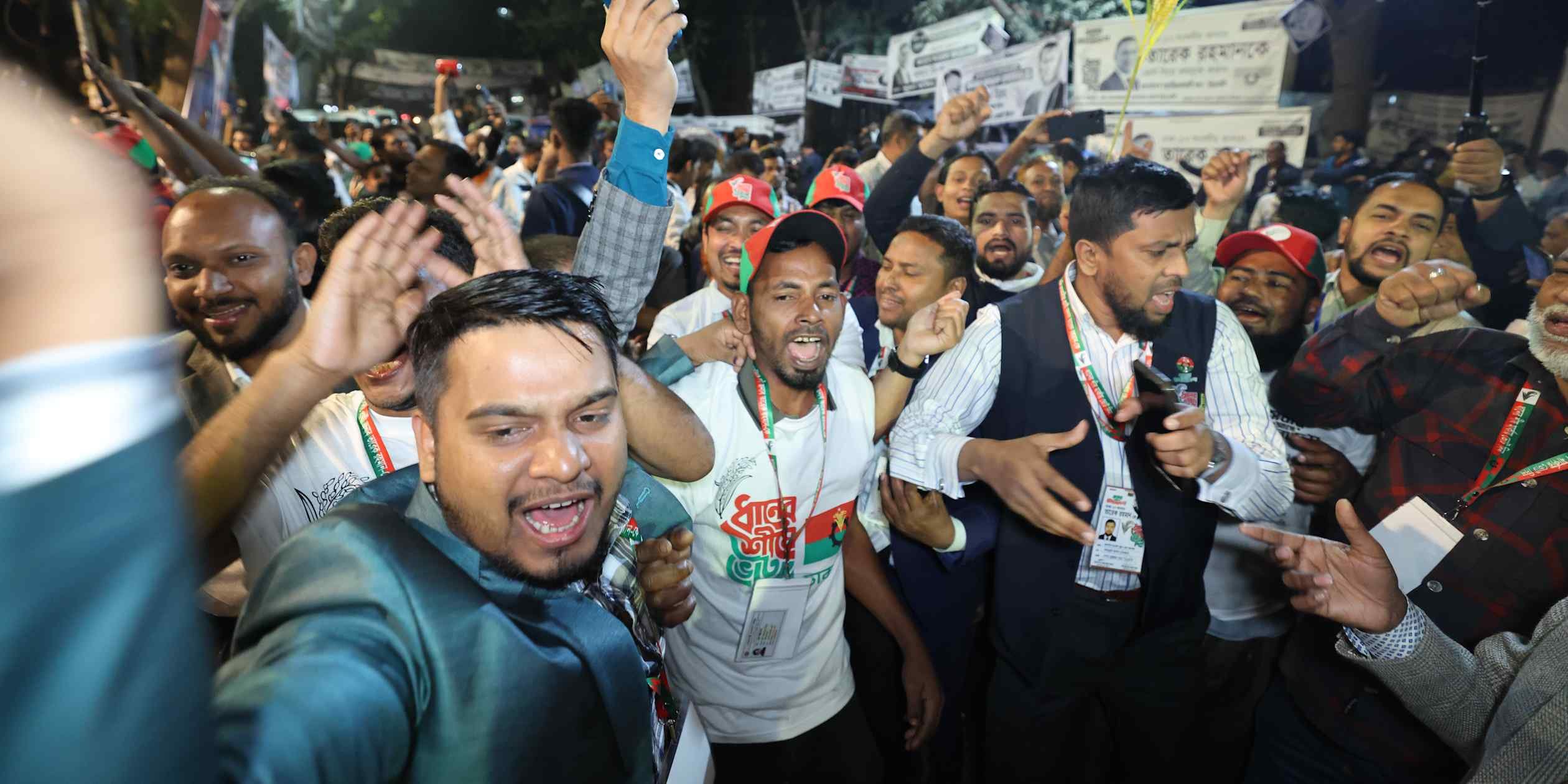
The election represents Bangladesh's first major democratic exercise since the political upheaval that ended Hasina's 15-year rule. BNP supporters gathered across Dhaka to monitor results, with celebrations breaking out as early tallies showed their candidates leading in key constituencies.
Regional Implications
The potential BNP victory carries particular significance for India, which has maintained close ties with Hasina's Awami League government. A BNP-led administration could lead to a reset in Dhaka-Delhi relations, potentially easing tensions that emerged during the recent political crisis.
BNP leaders have campaigned on promises of "total deregulation" and economic reforms aimed at stimulating private sector growth. The party has also pledged to focus on export promotion and anti-corruption measures, positioning itself as a fresh alternative to the previous government's policies.
Economic Context
Bangladesh's economy, one of the fastest-growing in South Asia, faces challenges including high inflation, currency pressures, and the need for continued foreign investment. The BNP's economic platform emphasizes market liberalization and reduced government intervention, which could appeal to international investors seeking a more business-friendly environment.
The election comes amid broader regional economic shifts, with neighboring countries like Vietnam attracting significant foreign investment in technology and manufacturing sectors. Bangladesh's new leadership will need to address competitiveness concerns while maintaining the country's strong export-oriented growth model.
Political Landscape
The BNP's apparent victory reflects voter desire for change following the political turbulence of 2024. The party has positioned itself as representing a new generation of leadership while maintaining its traditional center-right economic policies.
However, the transition of power may face challenges, including potential resistance from entrenched political interests and the need to build consensus across Bangladesh's diverse political spectrum. The new government will also need to address ongoing concerns about political stability and institutional reform.
International Response
Western governments and international organizations have closely monitored the election process, with many expressing hope that the vote represents a return to democratic norms after months of uncertainty. The United States and European Union have emphasized the importance of peaceful transition and respect for democratic institutions.
Looking Ahead
The BNP's victory, if confirmed, sets the stage for significant policy shifts in Bangladesh. Key areas to watch include:
- Economic liberalization and regulatory reform
- Foreign investment policies and international partnerships
- Relations with neighboring countries, particularly India
- Institutional reforms and governance improvements
- Social policies and minority rights protections
As Bangladesh enters this new political chapter, the international community will be watching closely to see whether the BNP can deliver on its promises of economic renewal and political stability while navigating the complex challenges facing this dynamic South Asian nation.
Comments
Please log in or register to join the discussion