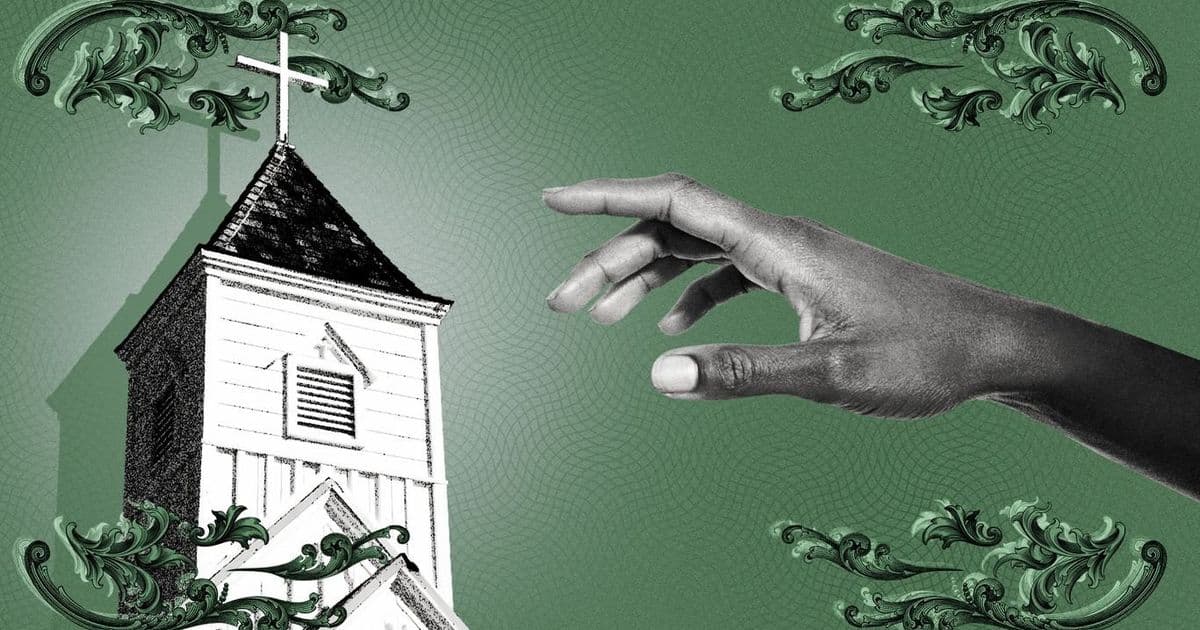
Private donors are stepping in to preserve African American historical sites and institutions after federal funding cuts, highlighting the growing role of philanthropy in cultural preservation.
Private donors are stepping in to preserve African American historical sites and institutions after federal funding cuts, highlighting the growing role of philanthropy in cultural preservation.
The Funding Crisis
The Trump administration's recent cuts to federal funding for cultural and historical preservation programs have created an urgent crisis for African American heritage sites across the country. Museums, historic landmarks, and educational institutions dedicated to Black history are facing severe budget shortfalls just as they're needed most.
According to the National Trust for Historic Preservation, federal grants for African American historical sites have been reduced by approximately 40% since 2017. This comes at a time when many of these institutions were already struggling with declining attendance and operational costs.
Private Sector Response
In response to the funding vacuum, several major philanthropic organizations have launched emergency initiatives to support Black history preservation:
- The Ford Foundation announced a $50 million emergency fund specifically for African American cultural institutions
- The Andrew W. Mellon Foundation has committed $30 million to digitize and preserve at-risk historical collections
- The W.K. Kellogg Foundation is providing $25 million in operational support to struggling museums
These private efforts represent a significant shift in how cultural preservation is funded in America, with private donors increasingly taking on roles traditionally filled by government agencies.
What's at Risk
The funding crisis threatens numerous important sites and institutions:
- The National Museum of African American History and Culture in Washington D.C. faces potential exhibit closures
- Historic Black colleges and universities are seeing cuts to their archival preservation programs
- Local historical societies documenting African American communities are at risk of shutting down entirely
- Important oral history projects documenting living witnesses to civil rights history may be lost
The Broader Impact
Beyond the immediate threat to specific institutions, the funding cuts represent a larger challenge to how American history is preserved and taught. Many African American historical sites serve dual purposes as both tourist attractions and educational resources for local communities.
Dr. Lonnie Bunch, Secretary of the Smithsonian Institution, noted that "When we lose these institutions, we don't just lose buildings or artifacts. We lose the stories, the context, and the ability to understand our shared history."
Looking Forward
The reliance on private philanthropy to fill the gap left by federal funding cuts raises questions about the sustainability of this model. While private donors can provide crucial emergency support, many experts worry about the long-term implications of shifting historical preservation from public to private funding.
As the crisis continues to unfold, the race to save Black history highlights both the vulnerability of cultural institutions and the power of private philanthropy to respond to urgent needs. The coming months will be critical in determining which institutions can survive this funding crisis and which may be lost to history.
Comments
Please log in or register to join the discussion