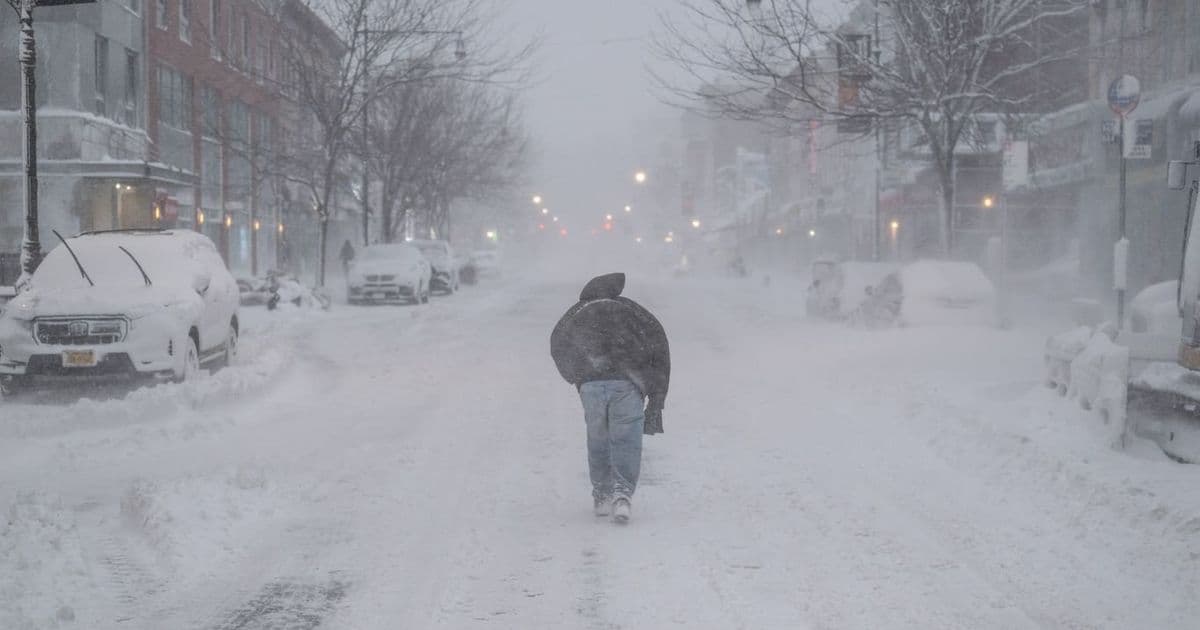
A severe winter storm is disrupting business operations across the Northeast, with widespread travel bans and economic impacts rippling through transportation, retail, and energy sectors.
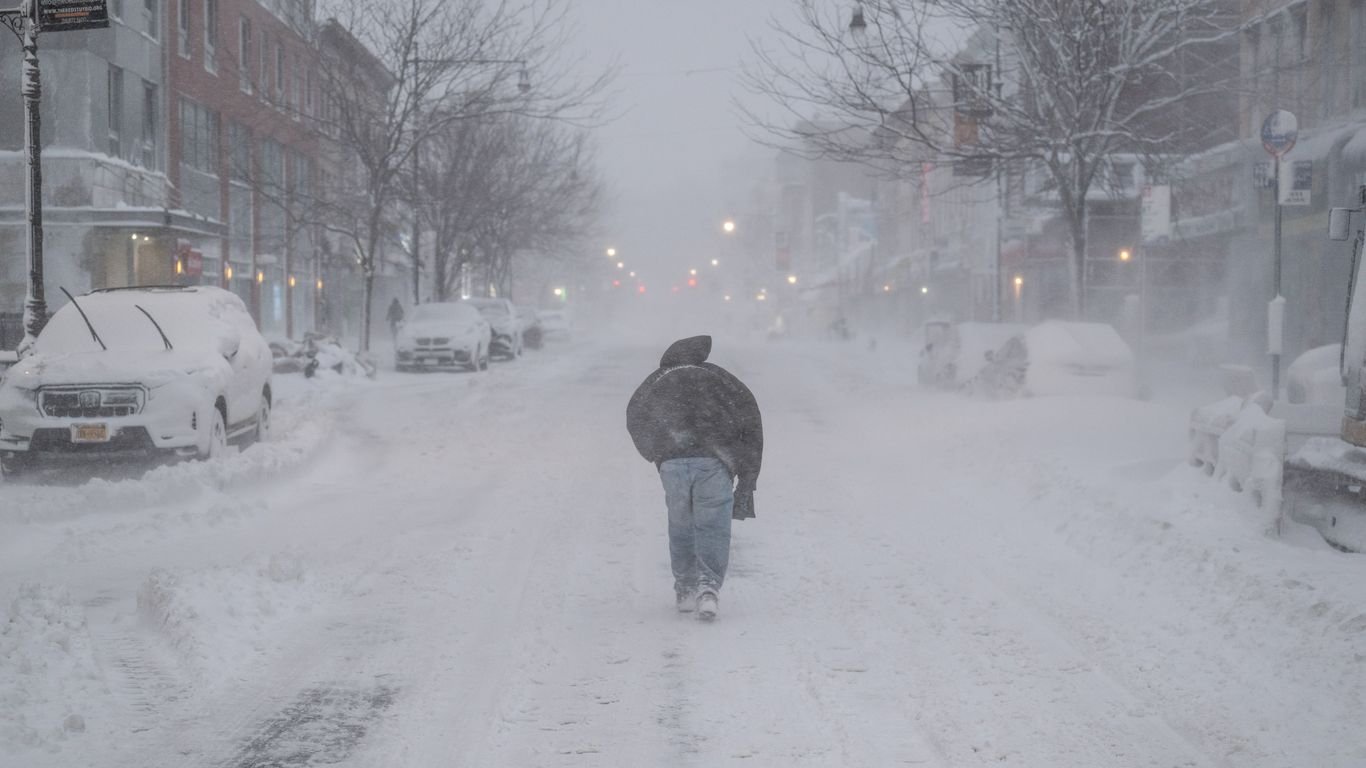
A major winter storm is currently impacting the Northeast United States, triggering blizzard warnings and government-imposed travel bans across multiple states. The National Weather Service reports snowfall rates exceeding 2 inches per hour in some areas, with wind gusts reaching 60 mph creating whiteout conditions. This severe weather event is causing significant disruptions to business operations throughout the region.
Transportation networks are experiencing widespread paralysis. Over 1,500 flights have been canceled at major Northeast airports including JFK, LaGuardia, and Logan International, according to FlightAware data. Amtrak has suspended service on several Northeast Corridor routes, while regional transit authorities in New York, Boston, and Philadelphia have implemented partial or full shutdowns of bus and rail services. The American Trucking Associations estimates over $80 million in daily economic losses from freight delays during such regional shutdowns.
Retail and hospitality sectors face immediate revenue impacts. Major shopping districts in New York and Boston report foot traffic declines exceeding 75% compared to typical February weekends. Restaurant reservation platforms show cancellation rates nearing 90% for establishments in affected areas. Conversely, grocery delivery services like Instacart report order volumes up 300% in storm-impacted regions as consumers stockpile essentials.
Energy markets show volatility with natural gas spot prices rising 12% as heating demand spikes across the region. Grid operators have issued conservation alerts in several states, with electricity demand projections exceeding typical winter peaks by 15-20%. Utility companies have mobilized over 10,000 repair personnel anticipating potential widespread outages.
Logistics providers report critical supply chain disruptions. Package delivery services including FedEx and UPS have suspended service guarantees across affected ZIP codes. Major e-commerce companies anticipate 2-4 day delivery delays for Northeast customers. Warehousing operations face staffing shortages with up to 40% of shift workers unable to reach distribution centers.
The insurance industry anticipates significant claims activity. Historical data from the Insurance Information Institute shows average winter storm claims exceeding $1.2 billion for comparable events. Property insurers have activated emergency response teams with catastrophe bonds pricing indicating market expectations of $500-$800 million in insured losses.
Business continuity strategies are being tested across sectors. Financial firms have activated remote work protocols for critical operations, while manufacturers implement just-in-time inventory adjustments. The storm's timing during Q1 earnings season forces companies to reassess guidance, particularly for retail and transportation businesses with significant Northeast exposure.
Economic analysts project the storm's total impact could reach $500 million in direct losses and $1.2 billion in broader economic disruption based on comparable historical events documented by the National Centers for Environmental Information. Recovery efforts may provide offsetting economic activity through increased spending on home repairs, snow removal services, and infrastructure restoration in coming weeks.
Comments
Please log in or register to join the discussion