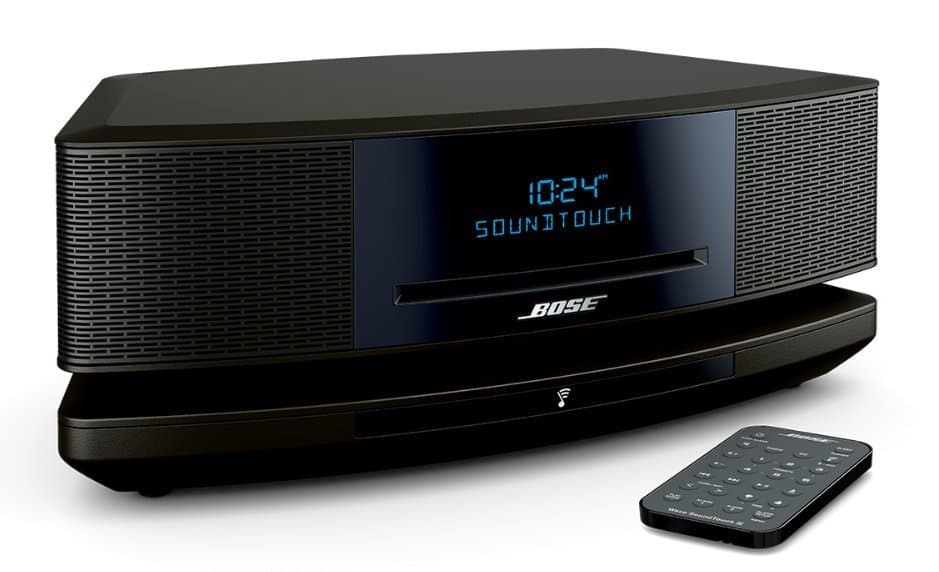
Bose delays SoundTouch cloud shutdown to May 6, adds AirPlay/Spotify Connect support, and releases open APIs enabling third-party tools.
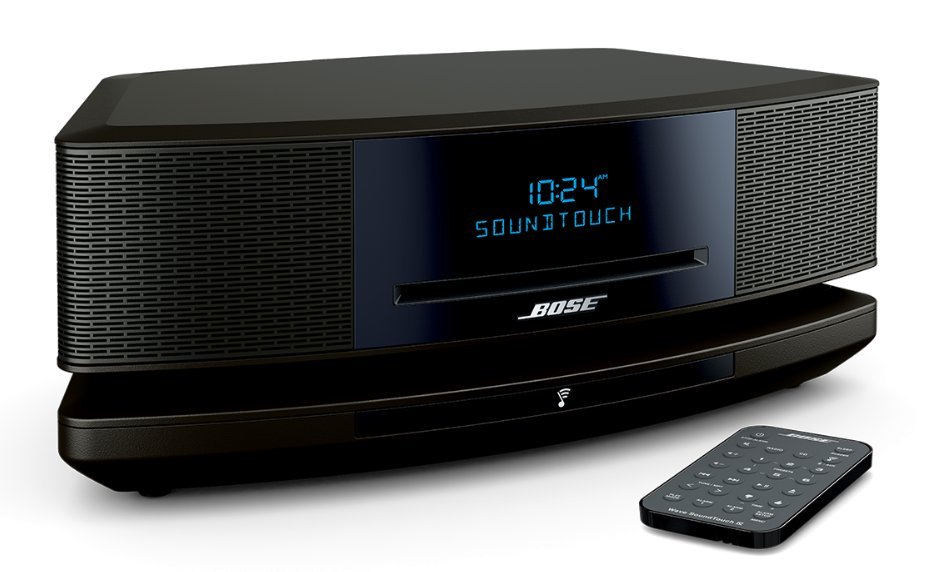
In response to customer feedback, Bose has significantly revised its approach to sunsetting cloud services for its SoundTouch Wi-Fi speaker lineup. Originally set for February 18, 2024, the shutdown date has been extended to May 6, 2024, providing additional transition time. More importantly, Bose is implementing technical solutions that preserve functionality beyond Bluetooth audio, including open sourcing core APIs to enable community-driven development.
The initial shutdown plan would have reduced SoundTouch speakers to basic Bluetooth and auxiliary input devices. Under the updated strategy:
- AirPlay and Spotify Connect support will be added, enabling direct streaming without Bose's cloud infrastructure
- API source code for SoundTouch protocols is being released publicly on Bose's developer portal, allowing third-party developers to build compatible control tools and integrations
- The SoundTouch mobile app will retain offline functionality including speaker configuration, multi-room grouping, and basic playback controls (play/pause/skip/volume)
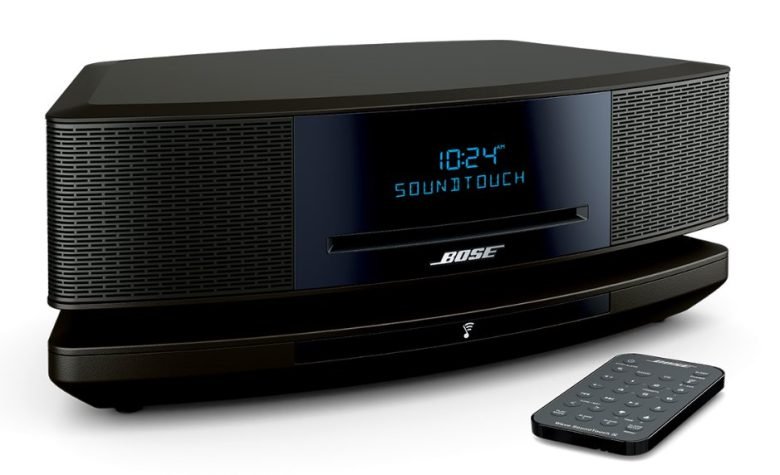 Bose Wave SoundTouch music system IV
This technical shift transforms what could have been product obsolescence into an opportunity for ecosystem development. By documenting and releasing communication protocols, Bose enables developers to create alternative control applications, home automation integrations, or custom streaming solutions. For example, developers could theoretically build open-source alternatives to Bose's mobile app or integrate SoundTouch speakers with platforms like Home Assistant.
However, certain cloud-dependent features will still terminate on May 6:
- Preset buttons (both physical and in-app) will become non-functional
- Music service browsing/playback via the SoundTouch app will cease
- No further software updates or security patches will be released
The SoundTouch API documentation covers device discovery, connection management, source selection, playback control, and preset management - essentially exposing most functionality previously locked to Bose's ecosystem. While Bose won't provide official support for third-party implementations, the documentation includes authentication mechanisms and protocol specifications.
This approach contrasts sharply with industry norms where companies routinely disable cloud-dependent hardware. By enabling local control protocols and releasing API documentation, Bose demonstrates a commitment to product longevity. Technical users can now explore creating Raspberry Pi-based controllers, open-source mobile apps, or custom integrations that breathe new life into these speakers long after Bose's official support ends.
For developers, the SoundTouch API release represents an uncommon opportunity to reverse-engineer and extend functionality of proprietary hardware. The documentation provides concrete implementation details for network communication, allowing developers to bypass Bose's cloud entirely while maintaining advanced features. This case study in responsible product sunsetting sets a noteworthy precedent for hardware manufacturers facing similar transitions.
Comments
Please log in or register to join the discussion