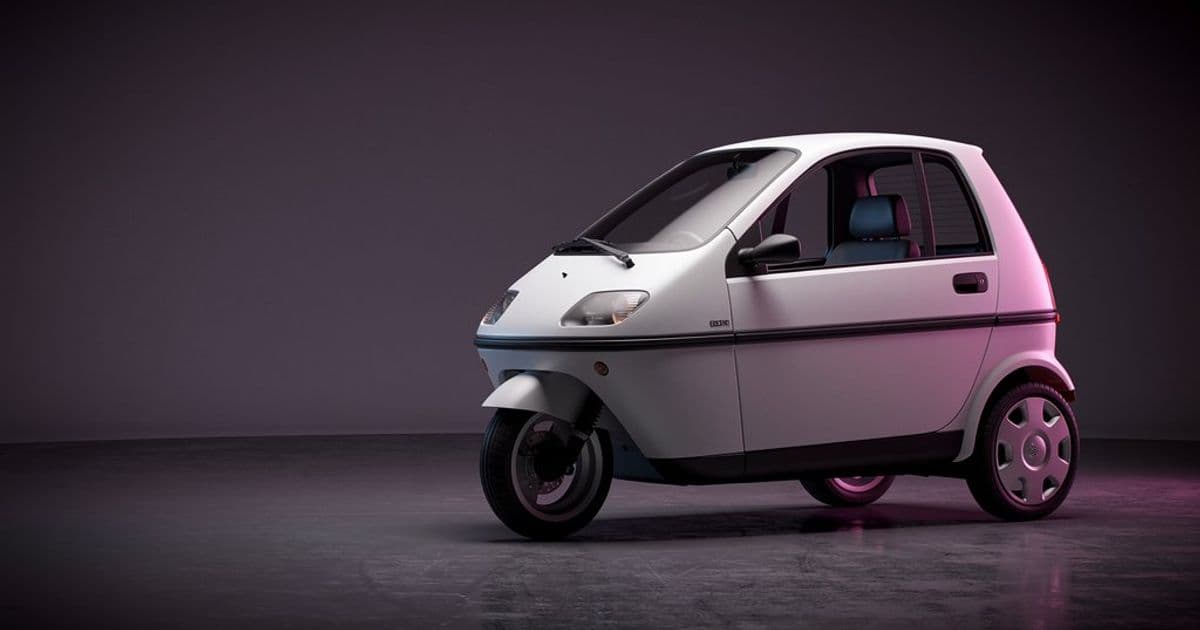
Sir Clive Sinclair's 1985 battery-electric tricycle promised affordable personal transport but failed commercially due to design limitations and safety concerns.
{{IMAGE:1}}
In January 1985, Sinclair Vehicles launched the C5 electric tricycle amid considerable hype. Marketed as revolutionary personal transport, the vehicle embodied Sir Clive Sinclair's vision for electric mobility following his success with ZX Spectrum computers. Technically classified as an "electrically assisted pedal cycle" under UK law, the C5 featured a recumbent design, polypropylene body, and a 250W motor driving the left rear wheel. With a top speed of 15 mph (24 km/h) and a claimed 20-mile (32 km) range, it retailed for £399 (approximately £1,200 today).
Technical Specifications and Design
{{IMAGE:2}}
The C5's chassis consisted of a Y-shaped steel frame supporting injection-moulded polypropylene shells. Its drivetrain combined pedal power with a Polymotor electric motor and Oldham lead-acid battery. The motor's 4,100 RPM output passed through a 13:1 gear reduction to compensate for low torque. Electronics monitored motor load and temperature, shutting down power if currents exceeded 140 amps or temperatures became critical. The vehicle weighed 45 kg (99 lb) including the battery, with a cockpit featuring handlebar steering and a luggage compartment.
Key limitations emerged during testing:
- Real-world range averaged 5–10 miles in cold weather, far below claims
- Couldn't climb gradients steeper than 8% without pedal assistance
- No reverse gear, requiring manual lifting to change direction
- Open cockpit offered no weather protection
Development History
{{IMAGE:5}}
The project originated from Sinclair's 1979 "C1" concept for an electric city car. When UK legislation created the "electrically assisted pedal cycle" category in 1983—exempt from licensing, tax, and insurance—Sinclair pivoted to the three-wheeled C5. Lotus Cars refined the chassis, while industrial designer Gus Desbarats styled the body, later admitting he could only "convert an ugly pointless device into a prettier, safer, and more usable pointless device." Production occurred at Hoover's Merthyr Tydfil factory, capable of building 8,000 units weekly.
Launch and Critical Failure
{{IMAGE:3}}
The January 10, 1985, launch at London's Alexandra Palace proved disastrous. Demonstration units malfunctioned in cold weather, with batteries failing on slopes and motors overheating. Media reviews highlighted critical flaws:
- Safety: At knee-height to car bumpers, drivers were invisible in traffic
- Practicality: No weatherproofing, limited storage, and theft vulnerability
- Performance: Struggled on inclines and congested roads
Consumer organizations delivered fatal verdicts. The AA measured actual range at 10 miles, while Which? magazine reported gearbox failures in all tested units. By April 1985, production dropped 90% after just 5,000 sales.
Legacy and Lessons
{{IMAGE:4}}
Sinclair Vehicles entered receivership in October 1985, owing £7.75 million. Only 5,000 of 14,000 produced units sold. Despite this:
- Unsold stock became collector's items, fetching up to £6,000
- Enthusiasts modified C5s with jet engines and high-power motors, achieving 150 mph
- Concepts for successors (C10 city car and C15 highway model) never materialized
The C5's failure stemmed from fundamental mismatches: marketed as car-alternative transport but designed as a niche pedal-assist vehicle without market validation. As designer Desbarats noted, Sinclair misunderstood the difference between creating new markets (like computing) and disrupting mature ones (transportation). Today, the C5 endures as a case study in the perils of solving engineering challenges without addressing human factors.
Explore original Sinclair C5 specifications | Brooklands Museum C5 collection
Comments
Please log in or register to join the discussion