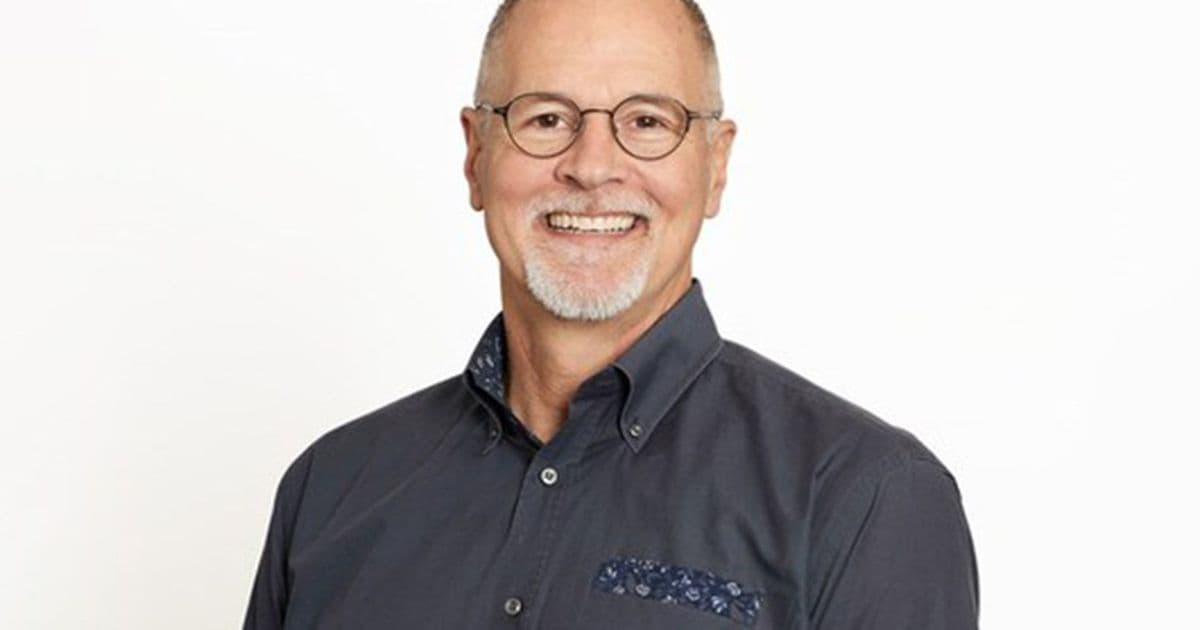
Boston Dynamics CEO Robert Playter has stepped down after more than three decades with the company, with CFO Amanda McMaster taking over as interim CEO as Playter plans his retirement.
Boston Dynamics, the pioneering robotics company known for its advanced humanoid and quadrupedal robots, has announced a significant leadership transition. Robert Playter, who has led the company as CEO since 2019 and been with the organization for over 30 years, has stepped down from his position and plans to retire.
Playter's departure marks the end of an era for Boston Dynamics, where he played a crucial role in transforming the company from a research-focused entity into a commercial powerhouse. Under his leadership, Boston Dynamics achieved several major milestones, most notably the company's acquisition by Hyundai in 2020 for approximately $1.1 billion.
During Playter's tenure as CEO, Boston Dynamics expanded its commercial offerings significantly. The company began selling its Spot robot for industrial and commercial applications, introduced the Stretch robot for warehouse automation, and continued development of its Atlas humanoid robot platform. Playter was instrumental in shifting the company's focus from purely research-oriented projects to practical, market-ready solutions.
Taking over as interim CEO is Amanda McMaster, who has served as Boston Dynamics' Chief Financial Officer. McMaster brings extensive financial and operational experience to the role, having been with the company since 2018. Her appointment as interim CEO suggests continuity in the company's strategic direction during this transition period.
The leadership change comes at a time when Boston Dynamics is well-positioned for continued growth. The company has established itself as a leader in mobile robotics, with its technology being adopted across various industries including manufacturing, construction, energy, and public safety. Hyundai's backing has provided the resources necessary for Boston Dynamics to scale its operations and pursue new market opportunities.
Industry analysts note that Playter's departure, while significant, appears to be part of a planned succession strategy. The company has not announced plans to conduct an external search for a permanent CEO, suggesting that McMaster may be considered for the permanent role or that the board is taking time to evaluate the company's leadership needs.
Boston Dynamics' journey under Playter's leadership represents one of the most successful transitions of advanced robotics technology from research to commercial application. The company's robots, particularly Spot and Atlas, have become cultural icons while also proving their practical value in real-world applications.
As Playter prepares for retirement, the robotics industry recognizes his contributions to advancing the field. His career at Boston Dynamics spanned the company's evolution from a division of MIT to an independent entity, through various ownership changes, and ultimately to its current position as a key player in Hyundai's growing technology portfolio.
The transition in leadership will be closely watched by investors, customers, and competitors alike. Boston Dynamics remains at the forefront of robotics innovation, and the company's ability to maintain its technological edge while expanding its commercial footprint will be crucial to its continued success.
For now, the company appears to be in capable hands with McMaster at the helm. Her financial expertise and understanding of Boston Dynamics' operations position her well to guide the company through this transition period while maintaining the momentum that Playter helped build over his three-decade career with the organization.
As the robotics industry continues to evolve rapidly, with increasing applications in manufacturing, logistics, healthcare, and other sectors, Boston Dynamics' leadership transition represents a pivotal moment for one of the field's most influential companies.
Comments
Please log in or register to join the discussion