KDE's Breeze theme is undergoing significant changes to better align with QtQuick styling and prepare for the upcoming Union style engine, requiring developers to adopt QStyle APIs for better theming compatibility.
KDE's Breeze theme is undergoing a significant transformation as the project prepares for the upcoming Union style engine. Akseli Lahtinen, a KDE developer, has outlined the technical changes being implemented in the master branch of Plasma, which aim to modernize Breeze and ensure compatibility with future theming possibilities.
The Need for Change
The primary motivation behind these changes is twofold. First, KDE wants to bring Breeze in line with current QtQuick styling conventions, which represents the project's vision for the future of the theme. Second, these modifications will help identify and resolve discrepancies that could complicate the transition to Union theming.
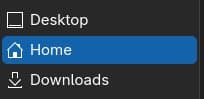
As Lahtinen explains, the changes focus on making QStyle::PE_PanelItemViewItem more rounded, which affects numerous UI elements throughout the KDE ecosystem. This includes components like the places panel in Dolphin file manager, bringing them in line with the rounded styling already present in System Settings.
The Technical Challenge
Implementing these changes hasn't been straightforward due to the complexities of Qt's styling system. The QStyle API requires careful handling of margins and spacing to prevent visual artifacts where UI elements touch the edges of their containers. This has revealed decades of accumulated cruft across KDE's codebase, where developers have implemented custom styling solutions instead of relying on the QStyle API.
Lahtinen acknowledges that the QStyle API isn't the most user-friendly, which explains why many developers have opted for custom implementations. However, this approach creates problems when moving to a unified styling engine like Union.
Why This Matters for Union
The transition to Union represents a fundamental shift in how KDE applications handle theming. Currently, KDE maintains separate styling engines for QtWidgets and QtQuick components. Union aims to unify these into a single, cohesive system that can be extended and customized more easily.
This unification introduces new possibilities for theme developers but also creates potential compatibility issues. When applications use custom drawing code instead of QStyle APIs, they bypass the styling engine entirely, making them immune to theme changes. While this might seem beneficial for consistency, it actually creates fragmentation and limits the flexibility that Union promises.
A Practical Example
Consider a hypothetical application called "KoolApp" that draws its own selection backgrounds using QPainter. If this application directly paints a rectangle with 90-degree angles, it will ignore any styling changes made by Union. A theme developer could create a beautiful rounded selection background, but KoolApp would continue displaying sharp-cornered rectangles, breaking the visual consistency of the desktop environment.
The solution is to use QStyle APIs like drawPrimitive instead of custom painting. This approach delegates the visual rendering to the styling engine, ensuring that the application respects theme changes while maintaining the desired functionality.
The Timing Question
Some might wonder why these changes are happening now rather than waiting for Union's release. Lahtinen argues that addressing these issues proactively makes sense for several reasons. First, it's easier to identify whether styling problems originate from the theme itself or from applications when working with the current Breeze theme. Second, Union introduces additional complexity as a new styling engine, making bug hunting more challenging if issues are discovered later.
By gradually rolling out these changes, KDE can ensure a smoother transition to Union and reduce the likelihood of compatibility issues when the new styling engine becomes available.
Call for Community Testing
The KDE Visual Design Group has issued a call for testing, inviting users and developers to help identify and resolve styling discrepancies. The testing focuses on ensuring that Breeze's QStyle implementation is properly utilized across the KDE software stack and third-party Qt applications.
Community members are encouraged to test various Qt applications, report visual oddities, and contribute fixes where possible. The goal isn't perfect 1-to-1 compatibility between QtWidgets and QtQuick without Union, but rather to ensure that the QStyle API is being used correctly throughout the ecosystem.
Broader Implications
These changes benefit more than just Breeze. Other QtWidgets styles like Fusion, Kvantum, and Klassy will also benefit from applications properly using QStyle APIs. This creates a more consistent and flexible theming environment across the entire KDE ecosystem.
The transition represents a significant undertaking for KDE, requiring coordination between theme developers, application maintainers, and the broader community. However, the long-term benefits of a unified, flexible theming system make this effort worthwhile.
As KDE continues to evolve its desktop environment, these foundational changes to Breeze demonstrate the project's commitment to modernization and user customization. The success of Union will depend heavily on developers adopting these new patterns, making community involvement in testing and feedback crucial to the project's success.
For developers working on Qt applications within the KDE ecosystem, now is the time to review their styling implementations and ensure they're leveraging QStyle APIs appropriately. The future of KDE theming depends on this collective effort to embrace a more unified and flexible approach to user interface design.
Comments
Please log in or register to join the discussion