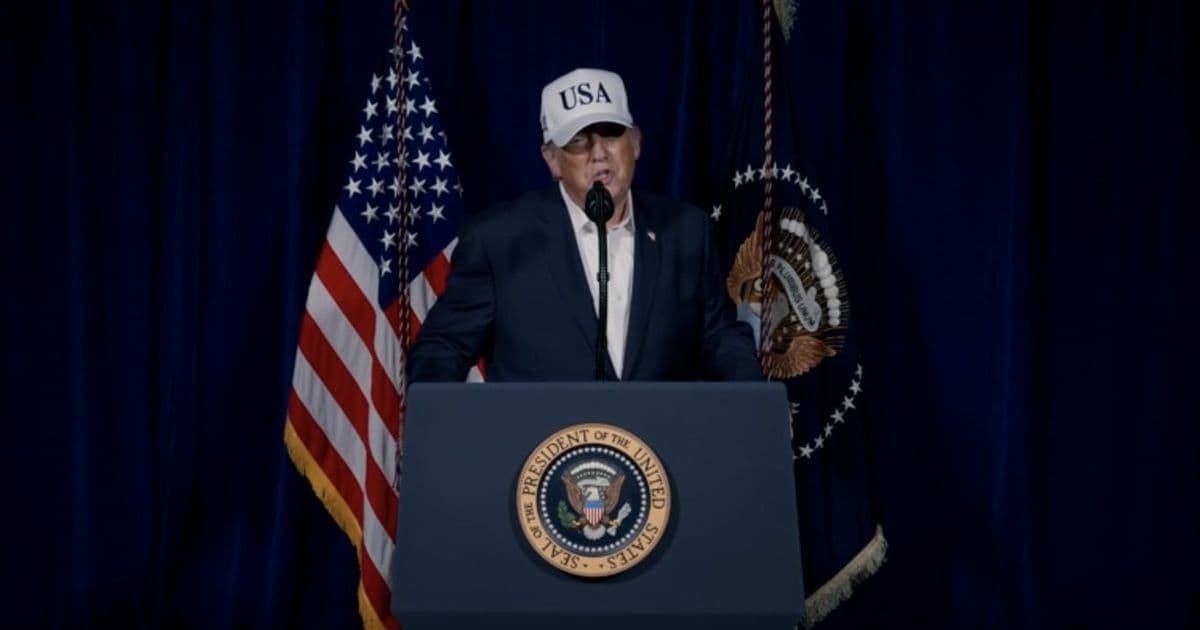
Democratic lawmakers are divided on President Trump's military action against Iran, with some backing the strikes while others condemn them as unconstitutional and dangerous.
Democratic Party leadership is facing internal conflict after President Trump ordered military strikes against Iran, with lawmakers split between supporting the president's national security decision and criticizing it as an overreach of executive power.
The Split Within the Party
The divide became apparent almost immediately after Trump announced the strikes via his Truth Social platform, with some Democrats backing the president's authority to act while others called for congressional oversight and questioned the legal basis for the attack.
House Minority Leader Hakeem Jeffries issued a measured statement acknowledging the need for national security while emphasizing the importance of congressional consultation. "While we must support our military personnel and defend American interests, any military action requires thorough congressional review and debate," Jeffries said.
However, progressive Democrats have been far more critical. Representative Alexandria Ocasio-Cortez called the strikes "unconstitutional" and demanded that Trump seek congressional approval before any further military action. "The President cannot unilaterally wage war without congressional authorization," she stated on social media.
Constitutional Questions Emerge
The debate has reignited discussions about the War Powers Act and presidential authority in military matters. Constitutional scholars note that while presidents have broad authority to respond to imminent threats, sustained military operations typically require congressional approval.
Senator Chris Murphy, a member of the Foreign Relations Committee, questioned whether the strikes met the threshold for presidential action without congressional notification. "We need to know what specific threat justified this level of military response," Murphy said in a floor speech.
Political Calculations
Some Democratic strategists suggest the party's response reflects both principled differences and political calculations ahead of the 2026 midterms. Moderate Democrats in swing districts have been more cautious in their criticism, while progressives in safe seats have taken stronger stances against the military action.
Former Democratic strategist Maria Cardona noted, "This is a classic case of the party's foreign policy establishment versus its progressive wing. The question is whether they can find common ground without appearing weak on national security or too hawkish for their base."
International Context
The strikes come amid heightened tensions between the U.S. and Iran over nuclear negotiations and regional proxy conflicts. Trump administration officials maintain that the action was necessary to prevent an imminent attack on American personnel or interests.
However, European allies have expressed concern about the escalation, with several calling for de-escalation and renewed diplomatic efforts. The United Nations Security Council is expected to discuss the situation in emergency session.
What Happens Next
Congressional Democrats are preparing potential oversight measures, including hearings on the legal justification for the strikes and possible legislation to limit presidential war powers. Some members are also discussing a War Powers Resolution to force Trump to cease military operations unless Congress authorizes them.
The internal Democratic debate mirrors similar divisions that emerged during previous administrations' military actions, highlighting the ongoing tension between executive authority and congressional oversight in matters of war and peace.
The party's ability to present a unified response could have significant implications for both the immediate political fallout and longer-term debates about presidential war powers in an era of rapid military decision-making.
Comments
Please log in or register to join the discussion