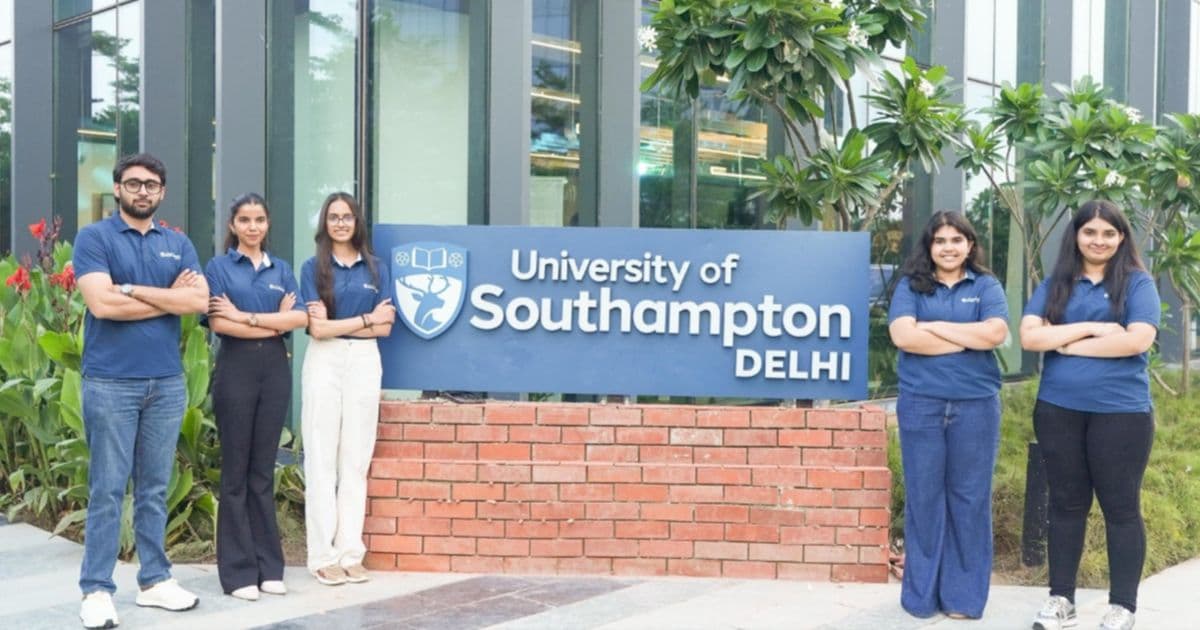
UK universities are establishing campuses in India and other countries to diversify income amid funding shortages and declining international student numbers, though regulatory and geopolitical risks remain significant.
British universities are rapidly expanding their global footprint, establishing campuses in India and beyond as they seek to diversify income streams amid mounting financial pressures at home. The University of Southampton recently opened its first overseas campus in New Delhi, marking a significant milestone in the UK's education export strategy.
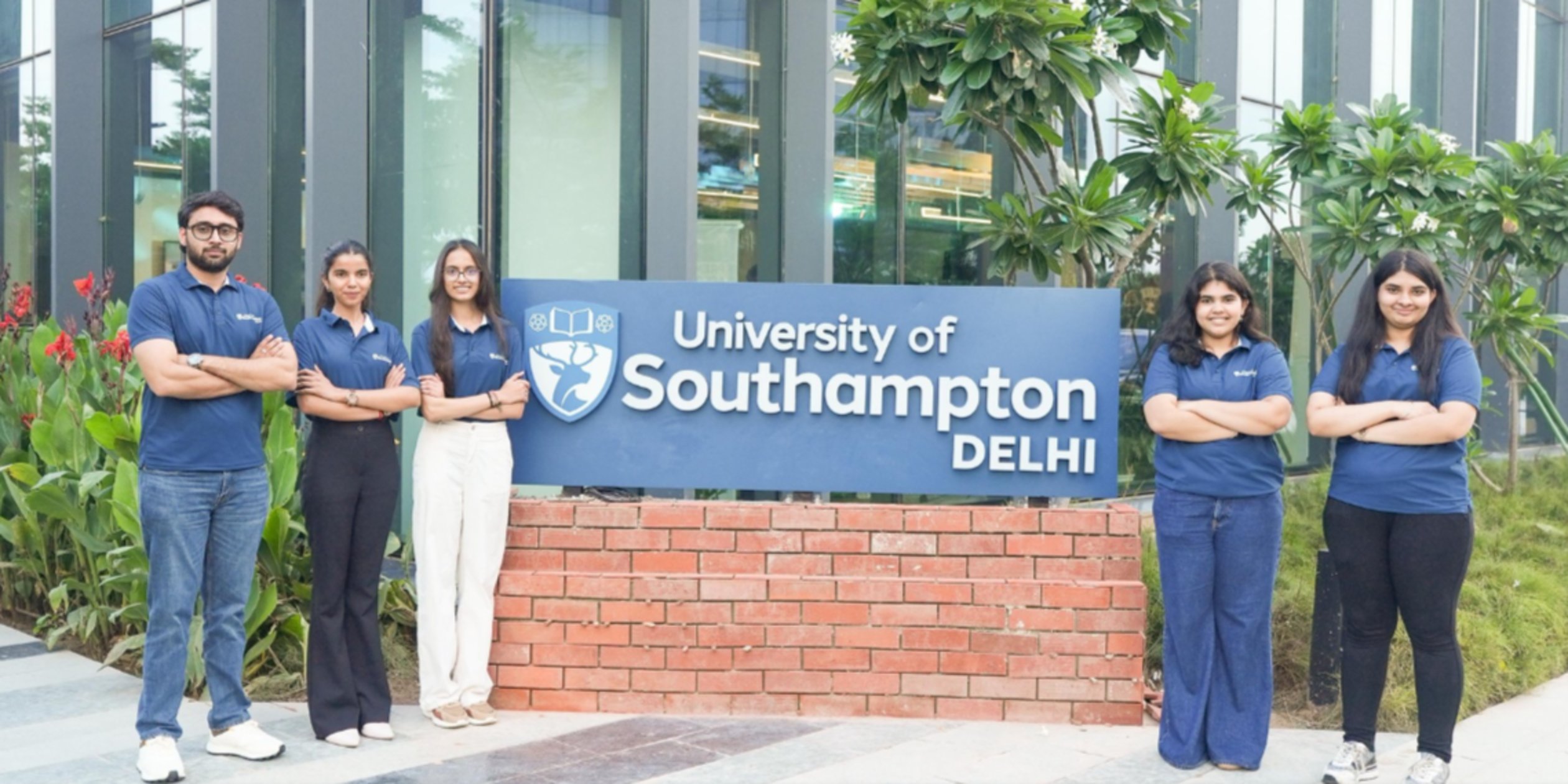
Southampton's Delhi campus welcomed around 150 students in its inaugural cohort last September, with plans to enroll up to 5,000 students annually by 2035. Students like Aastha Chhatwal commute daily to earn the same Southampton qualification they would receive in the UK, while remaining connected to India's evolving business landscape.
The expansion follows a trade agreement between London and New Delhi that pledges to deepen education partnerships. Nine British institutions have secured licenses to establish Indian campuses: Aberdeen, Bristol, Coventry, Lancaster, Liverpool, Queen's University Belfast, Surrey, and York join Southampton in this initiative.
This overseas expansion comes as UK universities face mounting financial pressure. Analysis from the Office for Students shows that 45% of higher education institutions will face a deficit in fiscal 2025-2026. Tighter visa rules have contributed to a 6% fall in international students last year, who typically pay up to three times more than local students.
Education Secretary Bridget Phillipson has championed the International Education Strategy, which aims to increase the sector's overseas earnings to £40 billion ($54 billion) annually by 2030, up from £32 billion currently. The strategy encourages institutions to expand abroad through branch campuses, partnerships, and digital learning rather than focusing solely on attracting students to the UK.
However, experts caution that establishing overseas campuses carries significant financial and reputational risks. Vincenzo Raimo, former pro vice-chancellor for global engagement at the University of Reading, notes that "the idea that transnational education simply fills a financial hole is misleading." When overseas operations succeed, surpluses are typically reinvested into those campuses and research rather than solving UK financial shortfalls.
Geopolitical considerations add another layer of complexity. Andrew Church, a lawyer at Pinsent Masons who advises education institutions, warns that UK universities may need export licenses before transferring certain technical information abroad, particularly for computer science and engineering courses. The competitive landscape has also shifted, with British universities now competing against institutions in South Korea, Japan, and Singapore for international students.
The experience of British secondary school franchises in China offers a cautionary tale. Wellington College, which counts novelist George Orwell among its former students, has eight overseas schools including six in China. However, the Chinese government's 2023 requirement for patriotic education to be embedded in school curricula has forced some British schools to close.
Julian Fisher, founder of consultancy Venture Education, notes that the private secondary school market has become saturated as British schools rushed overseas, accelerated by the UK's controversial 20% value-added tax on private education. According to Schoolata, new overseas campuses for British schools peaked at 18 in 2020 but fell to just one in 2024 and 10 in 2025.
Despite these challenges, Wellington College is expanding into Southeast Asia, partnering with a local operator in Singapore to open its first school in Jakarta this summer. Lesley Wong, director of operations at Wellington College Education Singapore Group, cites the school's academically rigorous curriculum and strong pastoral care as key attractions for Asian parents.
As UK universities navigate this complex landscape, the balance between financial necessity and educational quality remains delicate. While overseas expansion offers potential revenue streams and global partnerships, institutions must carefully weigh the risks of regulatory compliance, geopolitical tensions, and the substantial investment required to maintain educational standards abroad.
Comments
Please log in or register to join the discussion