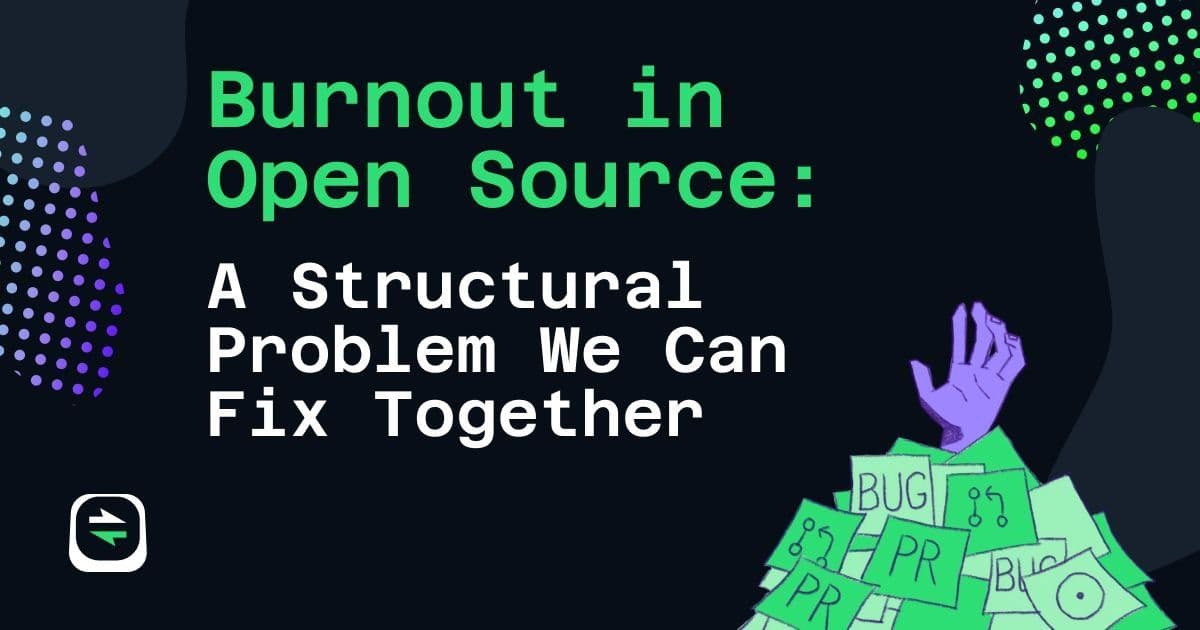
Open‑source maintainers face a hidden crisis: the relentless pressure of unpaid labor and toxic community interactions is driving widespread burnout. By examining the financial precarity and hostile behaviors that erode developers’ wellbeing, this article proposes systemic reforms—decentralised funding, collective governance, and community‑wide support structures—to restore balance and protect the software infrastructure that depends on them.
Burnout in Open Source: A Structural Problem We Can Fix Together
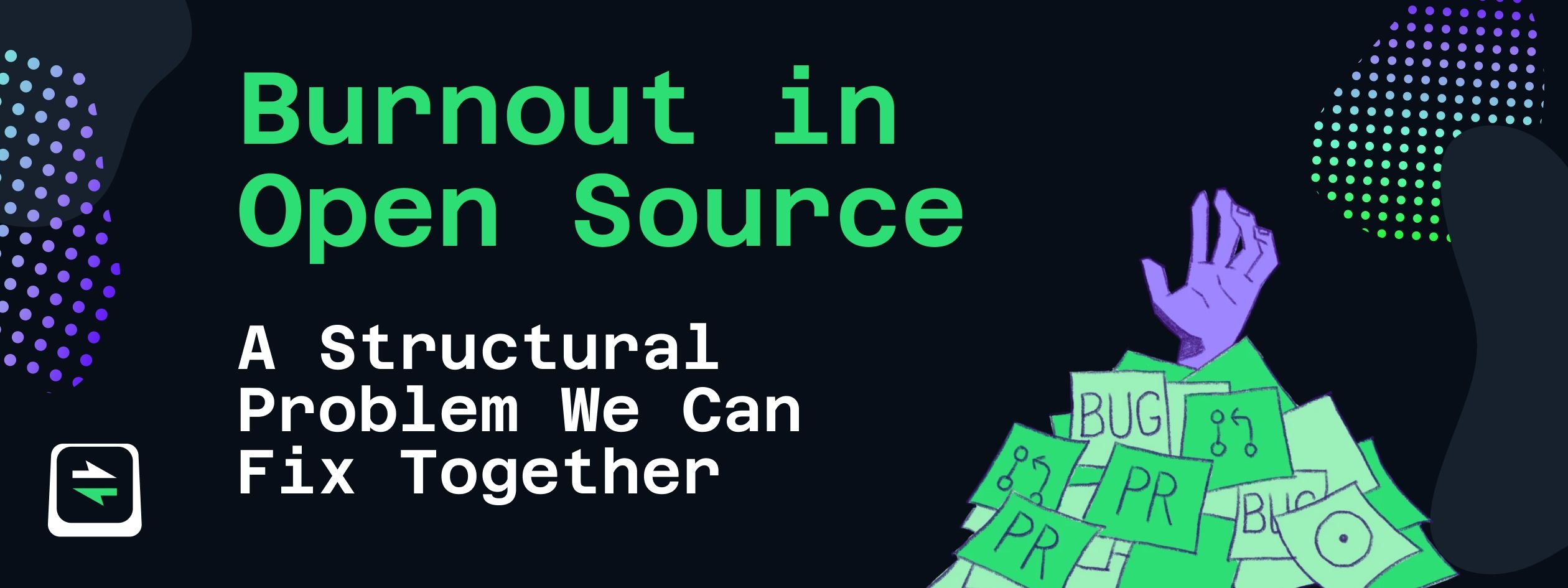
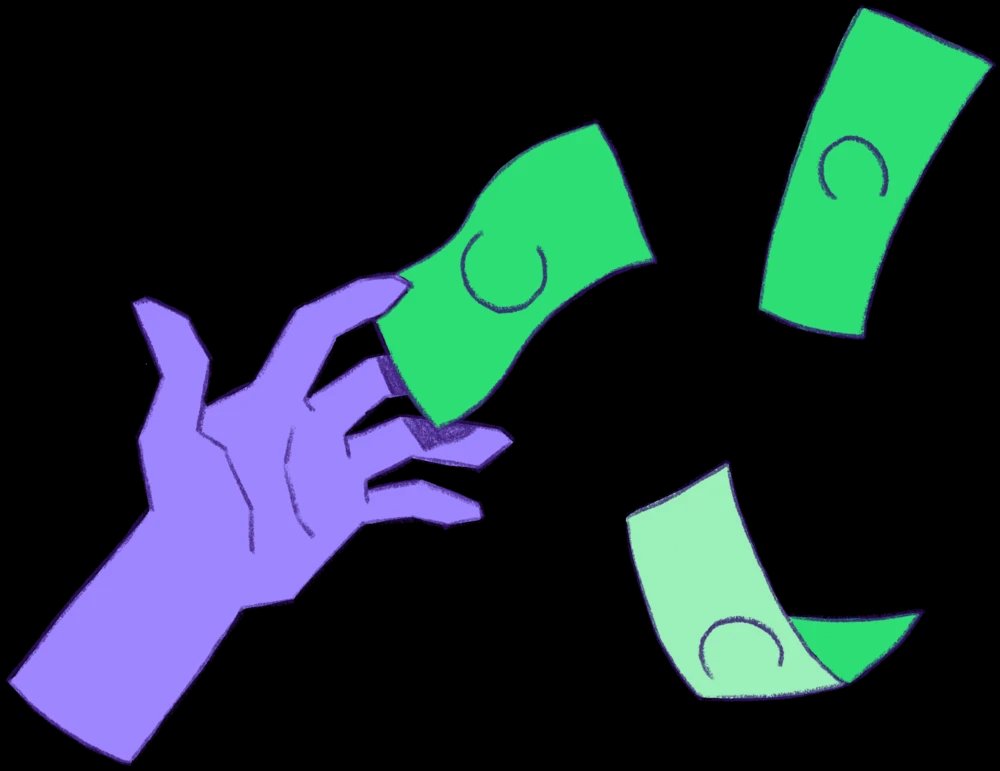
Imagine you build a tool to solve a personal need, release it as open source, and watch it explode in popularity. Companies adopt it, users praise its elegance, and you feel a rush of purpose. Then the flood of feature requests, bug reports, and pull‑requests arrives, each framed as an urgent demand. You start answering them in evenings, weekends, and sleepless nights, while your day job still requires a full eight‑hour shift. The gratitude you receive is sparse, the financial reward nonexistent, and the community’s tone can shift from appreciative to hostile overnight. After months of this double‑shift, the project that once sparked joy becomes a source of anxiety and exhaustion.
Why burnout matters for the whole ecosystem
Burnout—defined as chronic physical and mental fatigue caused by prolonged work stress—does more than sap an individual’s motivation. In the open‑source realm, a single maintainer often guards the security and stability of critical infrastructure. When that person is running on fumes, vulnerabilities slip through, malicious contributions go unchecked, and the entire software supply chain is jeopardised. The stakes are therefore not merely personal; they are systemic.
Two structural drivers of burnout
1. Financial precarity – the "double‑shift" trap
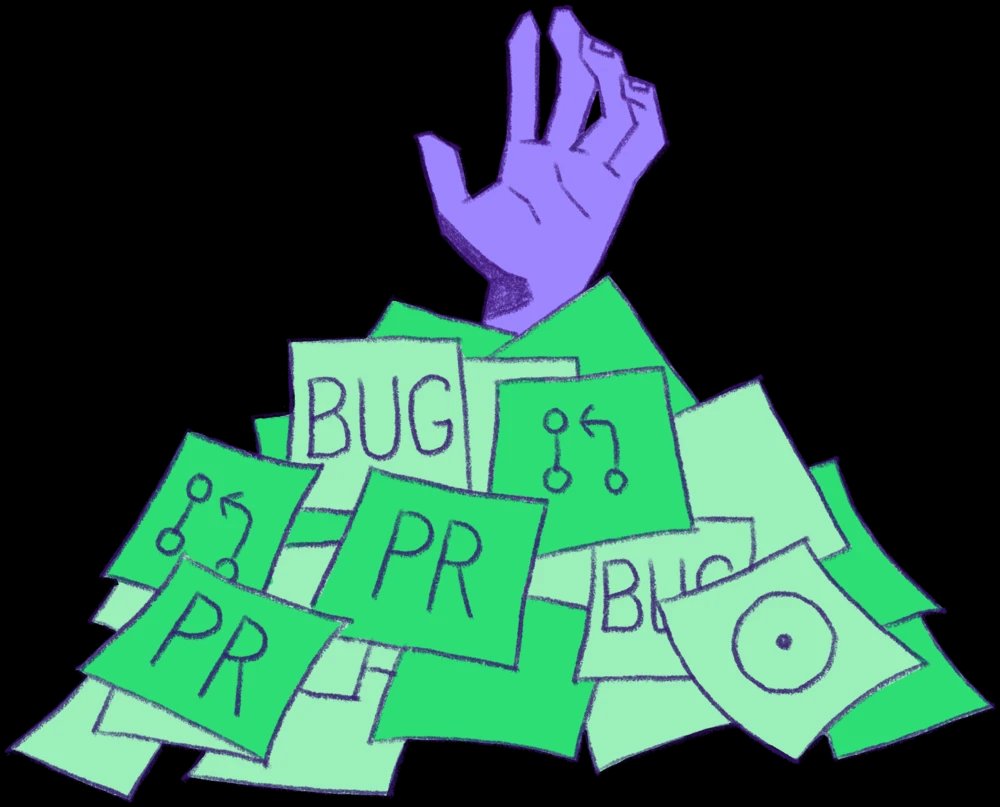
Most open‑source contributors cannot earn a living from their projects alone. A typical narrative involves a full‑time salaried job plus an unpaid "stealth" job maintaining the open‑source codebase. The result is a relentless workload that infringes on sleep, family time, and personal health. Psychological studies link high demand, low reward, and perceived unfairness to a heightened risk of burnout, and the testimonies of maintainers echo these findings.
"There was a long time where I was doing Open Source almost more time than my full‑time job, and getting paid nothing. I just burnt out. I stopped writing and contributing to Open Source." – Marc Grabanski, Open Collective case study
Why payment alone is not a panacea
Even when funding is introduced, the model matters. Direct sponsorship can create a dependency that threatens a maintainer’s autonomy, potentially steering the project toward the sponsor’s commercial interests. The recent RubyGems takeover illustrates how financial pressure can erode a maintainer’s control, leading to community backlash and further stress.
Towards a resilient funding ecosystem
- Decentralised pools – platforms such as Open Collective or the GitHub Sponsors program enable many small contributors to fund a project collectively, diluting the influence of any single patron.
- Collective governance – establishing a board or steering committee that includes contributors, users, and sponsors can safeguard decision‑making from unilateral pressure.
- Transparent compensation frameworks – clear criteria for how funds are allocated (e.g., time‑based salaries, bug‑bounty budgets, community‑outreach stipends) help maintainers see a direct link between effort and reward, reinforcing a sense of fairness.
2. Toxic community behavior – the hidden cost of entitlement
Beyond money, many maintainers report that hostile interactions erode their sense of purpose. Users sometimes treat an open‑source project as a commercial service, demanding rapid fixes, posting low‑quality pull‑requests generated by AI, or launching personal attacks when expectations are not met. Psychological research shows that exposure to hostile communication increases burnout risk, especially when the recipient feels compelled to comply out of a sense of responsibility.
"The angry response has been overwhelming. Every single day I'm reading someone else rant about how awful of a job we're doing. It's been hard to stay motivated." – James Kyle, Dear JavaScript
Building a supportive culture
- Platform‑level nudges – GitHub could surface brief reminders on issue and PR pages about respectful communication, linking to a concise "Open‑Source Etiquette" guide.
- Community‑driven mentorship – Pairing newer contributors with seasoned maintainers can diffuse tension, provide emotional support, and model constructive feedback.
- Sponsored wellbeing programs – Companies that rely on a project could fund mental‑health resources, such as counseling vouchers or workshops on conflict resolution, thereby sharing the cost of a healthier ecosystem.
Implications for the future of software infrastructure
If the current trajectory continues, we risk a cascade of maintainer attrition, leading to abandoned projects, security regressions, and a slowdown in innovation. Conversely, implementing systemic changes—fair compensation, shared governance, and a culture of respect—creates a virtuous cycle: maintainers retain energy, projects stay secure, and downstream companies benefit from stable, well‑maintained dependencies.
Counter‑perspectives and open questions
Some argue that the ethos of open source is inherently volunteer‑driven, and that introducing monetary incentives could dilute the collaborative spirit. Others worry that formalising compensation may create bureaucratic overhead that discourages casual contributors. These concerns are valid and highlight the need for experiment‑driven policy: pilot funding models, gather data on maintainer wellbeing, and iterate based on feedback.
A call to collective action
Burnout is not an individual failing; it is a symptom of a system that expects endless generosity without reciprocal support. By re‑imagining how we fund, govern, and interact within open‑source communities, we can restore balance to the energy equation that sustains these projects. The path forward requires collaboration among maintainers, companies, platform providers, and users alike.
If you have read this far, thank you for your attention. The full research report is available via the link below. I welcome feedback from anyone who has lived the open‑source experience—your insights will help shape a more sustainable future.
Comments
Please log in or register to join the discussion