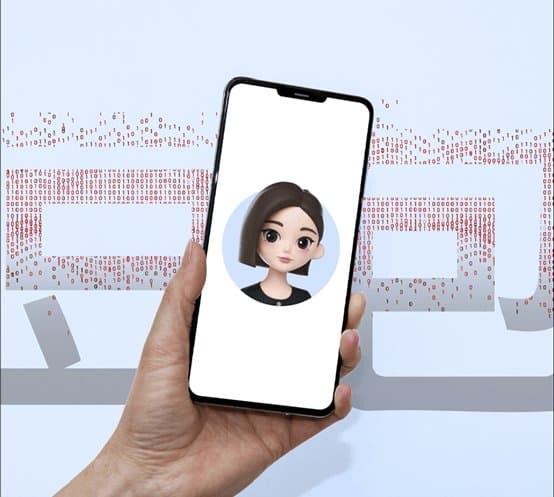
ByteDance is pivoting its Doubao smartphone strategy with a second-generation device planned for mid-2026, while expanding system-level AI partnerships with smaller phone makers to avoid the setbacks of its first-generation model.
ByteDance is resetting its smartphone ambitions with a second-generation Doubao phone targeted for mid-2026, while simultaneously pursuing deeper AI integration partnerships with smaller phone manufacturers to expand its ecosystem beyond a single device. The move comes after the company's first-generation Doubao smartphone faced significant challenges in late 2025 when major mobile apps restricted access to key AI-related functions.
First-Generation Setbacks Prompt Strategic Reset
The initial Doubao smartphone, launched in December 2025, encountered immediate obstacles when several major mobile applications limited or blocked access to AI features. This forced ByteDance to reassess its approach and quietly initiate development of a second-generation device under the internal codename "Doubao Phone Assistant." The new model is now scheduled for a second-half Q2 2026 debut, with hardware development continuing through the company's partnership with ZTE Nubia.
To address the issues that plagued the first iteration, ByteDance's Doubao team is actively negotiating with major internet platforms to secure broader access permissions. According to reports, the company has already obtained partial approvals from select apps in categories including ride-hailing, food delivery, and ticketing services. This proactive approach aims to prevent a repeat of the access restrictions that hampered the original device's functionality.
Dual-Track Partnership Strategy Emerges
ByteDance is pursuing a nuanced partnership strategy that differentiates between major smartphone manufacturers and smaller or niche players. For established brands like OPPO, vivo, and Honor, the company is limiting cooperation to modular offerings such as model API access or standalone products like the Doubao AI Keyboard. This approach allows ByteDance to maintain relationships with dominant players while avoiding direct competition.
In contrast, the company is exploring deeper integration opportunities with smaller manufacturers including Transsion, Meizu, and Lenovo. These partnerships could involve pre-installed Doubao AI entry points at the system level, with ByteDance offering technology licensing and subscription fees in exchange for deeper integration. This strategy allows ByteDance to expand its AI ecosystem across multiple device manufacturers while building a broader user base for its Doubao AI assistant.
Expanding Beyond Smartphones: AI Hardware Ecosystem
The Doubao smartphone initiative is just one component of ByteDance's broader AI hardware strategy. The company is developing a multi-product hardware ecosystem centered around AI-powered devices that serve as next-generation human-computer interaction gateways.
In the smart glasses category, ByteDance has two products in development. A non-display AI glasses model is expected to launch shortly after the 2026 Lunar New Year, while a more advanced display-enabled version is planned for Q4 2026. These devices aim to provide users with AI assistance in a hands-free format, potentially competing with offerings from companies like Meta and Amazon in the AI wearables space.
Additionally, ByteDance is developing AI-powered earbuds with integrated cameras. This product category represents an innovative approach to ambient computing, where AI assistance is available through multiple form factors depending on user context and needs. The combination of glasses and earbuds with camera capabilities suggests ByteDance is betting on multimodal AI interaction as the future of human-computer interfaces.
Strategic Implications for ByteDance's AI Ecosystem
The reset and expansion of the Doubao phone initiative reflects ByteDance's recognition that AI integration requires ecosystem cooperation rather than device-centric approaches. By pursuing partnerships with multiple manufacturers and focusing on system-level integration, ByteDance is positioning Doubao as a platform rather than a single product.
The timing of the second-generation phone, targeting mid-2026, suggests ByteDance is taking a measured approach to hardware development. This timeline allows for the maturation of AI capabilities, the resolution of ecosystem access issues, and the establishment of partnership frameworks with device manufacturers.
For the broader smartphone industry, ByteDance's strategy represents a new model for AI integration where software companies seek deeper hardware partnerships without necessarily becoming full-fledged device manufacturers. This approach could influence how other AI companies approach mobile device integration, potentially leading to more modular and interoperable AI ecosystems across different hardware platforms.
As ByteDance continues to develop its Doubao ecosystem across smartphones, glasses, and earbuds, the company is positioning itself as a major player in the next generation of AI-powered devices. The success of this strategy will depend on its ability to secure ecosystem partnerships, deliver compelling AI experiences, and navigate the complex relationships between software platforms and hardware manufacturers in the mobile industry.
Comments
Please log in or register to join the discussion