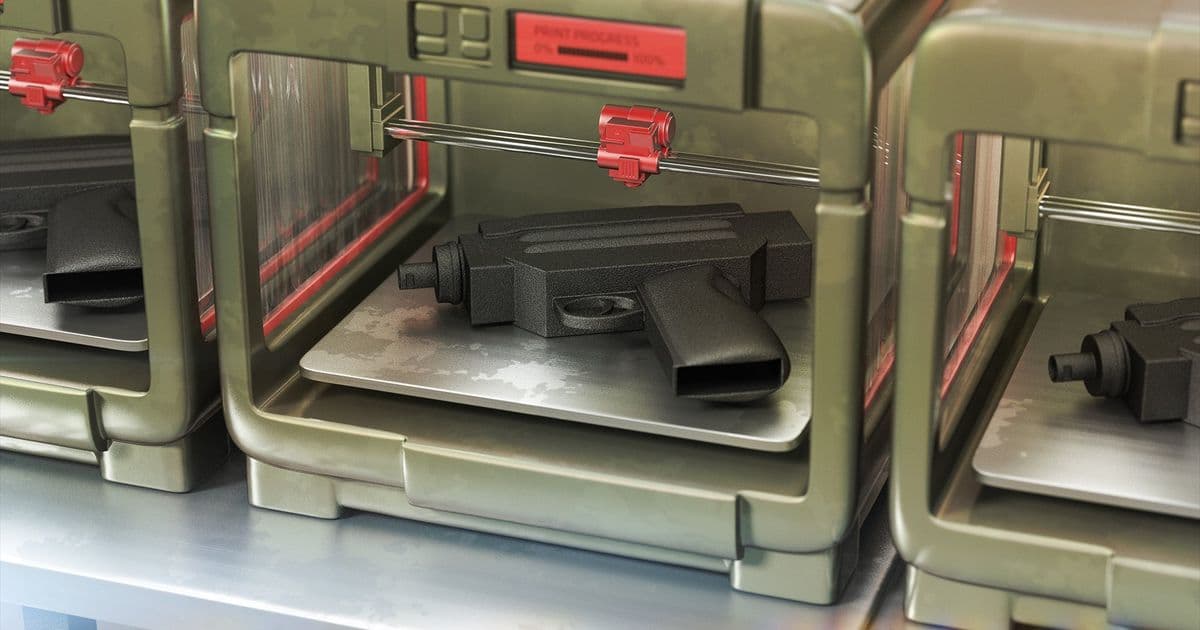
California Attorney General sues websites and individuals for distributing 3D-printed gun files, citing new civil codes that prohibit digital firearm manufacturing code distribution to unlicensed manufacturers.
California Attorney General Rob Bonta has filed a civil lawsuit against two websites and three individuals for allegedly violating state laws that prohibit the distribution of digital files for 3D-printed firearms. The case targets platforms hosting gun design files and instructional content, marking a significant escalation in the legal battle over ghost guns.
The Defendants and Their Platforms
The lawsuit names Alexander Holladay, operator of the CTRL+Pew website, gun rights attorney Matthew Larosiere, and 3D-printed gun designer John Elik (known online as "IvanTheTroll"). These individuals are accused of running websites that distribute digital firearm manufacturing code and provide guides for creating untraceable weapons.
New California Civil Codes in Action
The case leverages two recently enacted California Civil Code sections that took effect this year. Section 3273.61 establishes liability for anyone distributing digital firearm manufacturing code to unlicensed manufacturers within the state. Section 3273.625 goes further, penalizing those who "knowingly, willfully, or recklessly" cause others to engage in unlawful firearm manufacturing or facilitate such activities.
Attorney General's Statement
"This groundbreaking lawsuit shows that our office is not bound by the old playbook," Bonta stated. He emphasized that the defendants' actions enable unlicensed individuals who cannot pass background checks to illegally print deadly weapons without oversight or traceability.
Ghost Gun Proliferation Concerns
The lawsuit highlights the growing concern over ghost guns—untraceable firearms assembled from kits or 3D-printed parts. These weapons bypass traditional background check requirements and lack serial numbers, making them attractive to prohibited buyers and difficult for law enforcement to track.
Legislative Responses Across States
California's legal action coincides with legislative efforts in other states. New York is developing laws that would place responsibility on 3D printer manufacturers to prevent weapon printing. Washington state proposes implementing "blocking features" and blueprint detection algorithms in 3D printing software. Colorado focuses on criminalizing the possession of 3D-printed gun files.
Industry and Enthusiast Concerns
3D printing enthusiasts argue that proposed regulations may be overly broad, potentially stifling innovation and legitimate uses of the technology. Technical challenges plague some proposals, such as requiring 3D printers to scan and reject gun-shaped files—a solution that experts say would likely produce numerous false positives and could interfere with legitimate manufacturing processes.
Civil vs. Criminal Proceedings
As a civil suit, the case cannot result in imprisonment regardless of the outcome. However, successful litigation could lead to significant financial penalties and court orders to cease operations, effectively shutting down the targeted websites and limiting the distribution of 3D-printed gun files.
The case represents a novel application of digital distribution laws to firearm manufacturing and may set precedents for how states regulate the intersection of emerging technologies and gun control.

Reporting by Jowi Morales, Contributing Writer
Comments
Please log in or register to join the discussion