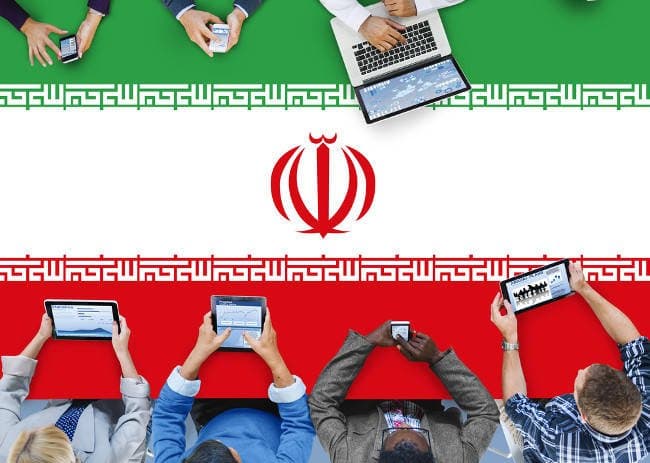
The US-Iran conflict marks a shift in how cyber operations are conducted in military conflicts, with the Trump administration taking an unusually public approach to offensive hacking operations against Iran.
The US-Iran conflict represents a significant departure from traditional military operations, with cyber warfare taking center stage in a way that's unprecedented in modern conflicts. Unlike previous military engagements where cyber operations remained largely classified and behind the scenes, the Trump administration's approach to Iran has been notably public, with offensive hacking operations becoming a central component of the strategy.
This shift marks what cybersecurity experts are calling the first "out-loud" cyberwar, where the United States has openly acknowledged and even boasted about its cyber capabilities being deployed against Iranian targets. The traditional hush-hush nature of cyber operations has been upended, with team Trump invading Iran with hackers taking the lead role in what appears to be a coordinated digital offensive.
The public nature of these operations represents a fundamental change in how the United States approaches cyber warfare. Historically, even when cyber operations were conducted as part of military conflicts, they were kept classified to protect operational security and maintain plausible deniability. The current approach suggests a new doctrine where cyber capabilities are not just tools of war but also instruments of psychological warfare and deterrence.
This new paradigm has several implications for the tech industry and cybersecurity landscape. First, it normalizes the idea of offensive cyber operations being conducted openly, potentially lowering the threshold for future conflicts. Second, it may accelerate the development and deployment of cyber weapons, as their effectiveness becomes more publicly demonstrable. Third, it could lead to increased investment in defensive cyber capabilities as nations recognize the growing importance of the digital domain in modern warfare.
The conflict's impact on the tech industry extends beyond just the immediate military operations. Companies involved in cybersecurity, cloud computing, and critical infrastructure may find themselves caught between government demands for cooperation and the need to protect customer data and privacy. The episode discusses how tech companies are navigating these competing pressures and what it means for their operations in both the US and Iran.
One particularly concerning aspect is the potential for retaliation. With CISA (Cybersecurity and Infrastructure Security Agency) facing budget cuts, questions arise about whether the US is adequately prepared to defend against Iranian counter-attacks. The episode explores whether reduced federal cybersecurity resources leave critical infrastructure more vulnerable to revenge attacks from Iranian hackers or their allies.
The discussion also touches on the relationship between tech companies and the Pentagon, specifically mentioning Anthropic's involvement. This raises important questions about the role of private AI companies in military operations and the ethical implications of their technology being used in active conflicts.
From a technical perspective, the conflict highlights the sophistication of modern cyber weapons and their ability to cause real-world damage. Unlike traditional cyber espionage, offensive operations in this conflict appear designed to disrupt Iranian military communications, financial systems, and critical infrastructure. The episode examines the specific types of attacks being employed and their effectiveness.
The public nature of these operations also has diplomatic implications. By making cyber operations a visible part of military strategy, the US may be attempting to deter future Iranian aggression through demonstrated capability. However, this approach also risks escalating the conflict and encouraging other nations to develop and deploy their own offensive cyber capabilities.
For the cybersecurity community, this conflict represents a real-world laboratory for understanding how cyber operations function in active military conflicts. Security professionals are closely monitoring the tactics, techniques, and procedures being employed, as they provide valuable insights into modern cyber warfare capabilities and limitations.
The episode featuring Brandon Vigliarolo, cybersecurity editor Jessica Lyons, and systems editor Tobias Mann provides a comprehensive analysis of these developments. Their discussion covers not just the technical aspects of the cyber operations but also their broader implications for international relations, tech industry dynamics, and future conflict scenarios.
As the conflict continues, the tech industry and cybersecurity community will be watching closely to see how this new model of "out-loud" cyberwarfare evolves. The lessons learned from this conflict could shape military doctrine, corporate security strategies, and international cyber norms for years to come. Whether this approach ultimately proves effective or leads to unintended consequences remains to be seen, but one thing is clear: the era of quiet cyber operations may be coming to an end.
Comments
Please log in or register to join the discussion