Canonical is positioning Ubuntu 26.04 LTS as the foundation for commercial RISC-V adoption, with RVA23 compliance enabling real hardware support beyond QEMU emulation.
Canonical is positioning Ubuntu 26.04 LTS as the foundation for commercial RISC-V adoption, with RVA23 compliance enabling real hardware support beyond QEMU emulation.

Ubuntu's RISC-V Journey: From Emulation to Production
Canonical has been steadily building Ubuntu's RISC-V capabilities over the past year, and 2026 marks a significant transition from experimental support to production-ready deployments. The company's recent blog post outlines their strategic shift as real RISC-V hardware becomes commercially available.
The RVA23 Milestone
Last year's Ubuntu 25.10 release marked a crucial turning point by adopting the RVA23 profile as the baseline for RISC-V support. This move, while limiting initial support to QEMU emulation, established a unified foundation for future hardware compatibility. The RVA23 profile represents the latest RISC-V architecture specification, ensuring Ubuntu can leverage modern RISC-V capabilities.
Commercial Hardware Arrives in 2026
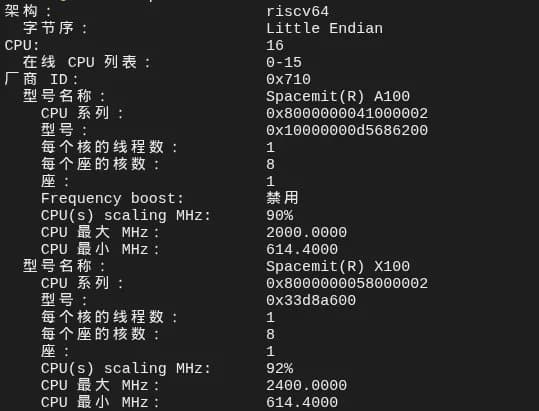
The most significant development for Ubuntu on RISC-V is the arrival of RVA23-compliant System-on-Chips (SoCs) this year. Key players like SpacemiT are bringing the K3 processor to market, finally enabling Ubuntu to run on physical hardware rather than just emulated environments. This transition from lab environments to commercial products represents years of ecosystem development finally bearing fruit.
Canonical's 2026 RISC-V Strategy
Canonical has outlined five key focus areas for their RISC-V initiatives:
1. Partnership Expansion
The company plans to deepen existing collaborations while onboarding new hardware vendors. This ecosystem approach is critical for RISC-V's success, as the architecture requires broad industry support to compete with established alternatives.
2. Product Parity
Beyond the core Ubuntu distribution, Canonical aims to ensure their entire portfolio works seamlessly on RISC-V. This includes cloud-native tools, IoT products, and other Canonical offerings that enterprises rely on.
3. Ubuntu 26.04 LTS as the Foundation
With RVA23 as the unified baseline, Ubuntu 26.04 LTS will provide long-term support for vendors transitioning from experimental to commercial production. This LTS release is positioned as the stable platform for RISC-V adoption.
4. Standards Leadership
Canonical emphasizes their commitment to upstream enablement and standards alignment. By ensuring new silicon capabilities are immediately accessible to the open-source community, they're fostering an ecosystem where innovation can flourish.
5. Developer Experience
Partnering with Single Board Computer (SBC) vendors, Canonical aims to make Ubuntu the preferred development platform for RISC-V. This focus on developer experience could be crucial for attracting the talent needed to grow the RISC-V ecosystem.
The Broader RISC-V Context
RISC-V's promise of openness, choice, and long-term innovation has attracted significant attention from both the open-source community and commercial entities. Canonical's commitment positions Ubuntu as a key enabler for this ecosystem, providing the stability and support that enterprises require for production deployments.
The transition from experimental to commercial support represents a maturation of the RISC-V ecosystem. As more RVA23-compliant hardware becomes available, Ubuntu's established presence could give it a significant advantage in the RISC-V server and edge computing markets.
Looking Ahead
With Ubuntu 26.04 LTS scheduled for release in April 2026, the coming months will be critical for RISC-V adoption. The success of this transition will depend on hardware availability, software compatibility, and the ability of the ecosystem to deliver on RISC-V's promises of openness and innovation.
Canonical's comprehensive approach—spanning hardware partnerships, software compatibility, and developer experience—suggests they're positioning Ubuntu as the de facto standard for RISC-V deployments. As commercial RISC-V systems move from labs to production environments, Ubuntu 26.04 LTS may well become the foundation upon which the next generation of open hardware innovation is built.
Comments
Please log in or register to join the discussion