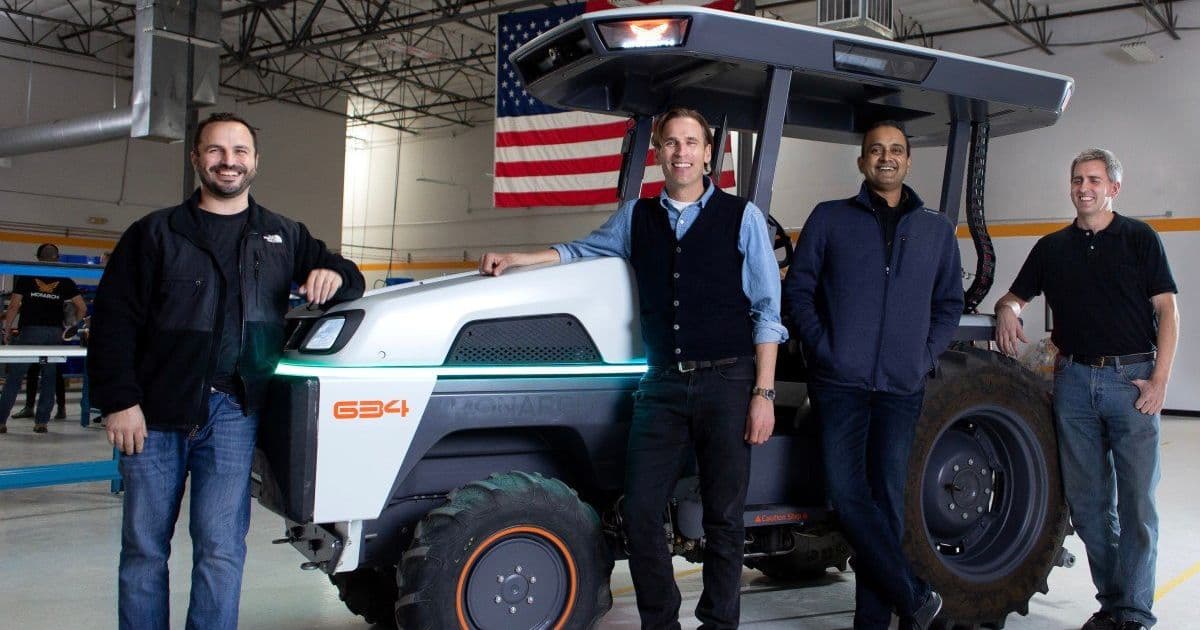
Caterpillar has acquired the assets of Monarch Tractor, a self-driving electric tractor startup that raised over $200 million but struggled to pivot to software services, marking another high-profile failure in the agricultural robotics sector.
Caterpillar has acquired the assets of Monarch Tractor, a self-driving electric tractor startup that raised over $200 million but struggled to pivot to software services, marking another high-profile failure in the agricultural robotics sector.
The acquisition, reported by TechCrunch, represents a significant shift for Monarch Tractor, which had positioned itself as a pioneer in autonomous agricultural technology. The company had initially gained attention for its electric tractors with self-driving capabilities, but faced challenges when attempting to transition its business model toward software services.
Monarch Tractor's journey reflects the broader difficulties faced by hardware-focused startups attempting to pivot into software-centric business models. The agricultural robotics sector has seen several high-profile failures in recent years, as companies struggle to balance the capital-intensive nature of hardware development with the recurring revenue models typically associated with software businesses.
The startup had raised substantial funding, exceeding $200 million, from investors who were attracted to the potential of autonomous farming technology. However, the pivot to software services appears to have been unsuccessful, leading to the asset sale to Caterpillar, a global leader in construction and mining equipment.
This acquisition by Caterpillar suggests the construction giant sees value in Monarch's technology and intellectual property, even if the original business model failed. Caterpillar has been investing in autonomous and electric vehicle technologies across its product lines, making Monarch's assets potentially valuable for its broader technology strategy.
The failure of Monarch Tractor to successfully execute its pivot highlights the challenges faced by many hardware startups in the current market environment. While software businesses can often pivot more easily, hardware companies face significant sunk costs and longer development cycles that make strategic shifts more difficult.
Industry observers note that Monarch's struggles are part of a larger pattern in the agricultural technology sector, where the promise of autonomous farming has often outpaced the practical realities of implementation and market adoption. The high costs of developing and manufacturing autonomous tractors, combined with the conservative nature of the agricultural industry, have created a challenging environment for startups.
For Caterpillar, the acquisition provides an opportunity to acquire technology and talent in the autonomous vehicle space without having to develop everything in-house. The company has been gradually expanding its technology capabilities, and Monarch's assets could accelerate its efforts in this area.
The deal also raises questions about the future of autonomous farming technology and whether the current generation of startups can successfully bridge the gap between technological innovation and practical agricultural applications. While the technology continues to advance, the business models for bringing these innovations to market remain challenging.
Monarch Tractor's failure to pivot successfully serves as a cautionary tale for other hardware startups considering similar transitions. The company's experience suggests that such pivots require not just technological capability but also deep understanding of new market dynamics and customer needs.
As the agricultural technology sector continues to evolve, the acquisition of Monarch's assets by Caterpillar may represent a more pragmatic approach to bringing autonomous farming technology to market. Rather than trying to build a standalone software business, the technology may find its best application as part of a larger equipment manufacturer's product ecosystem.
The broader implications of this acquisition extend beyond just Monarch Tractor. It signals that while the technology for autonomous farming continues to advance, the path to commercial success remains challenging. Companies in this space may need to reconsider their business models and partnerships to achieve sustainable growth.
For investors in the agricultural technology sector, Monarch's story provides important lessons about the risks associated with hardware startups attempting to pivot to software models. The substantial funding raised by Monarch suggests that even well-funded companies can struggle with such transitions, particularly in capital-intensive industries like agricultural equipment.
The acquisition by Caterpillar also highlights the ongoing consolidation in the agricultural technology sector, as larger companies acquire promising technologies and talent from failed startups. This pattern may continue as the industry matures and the most viable technologies are integrated into established product lines.
Looking forward, the fate of Monarch Tractor's technology under Caterpillar's ownership will be closely watched by the industry. If Caterpillar can successfully integrate and commercialize the autonomous farming technology, it could validate the underlying technology even if the original business model failed.
This acquisition represents another chapter in the ongoing story of autonomous vehicle technology, demonstrating that while the technology continues to advance, the path to commercial success remains complex and challenging, particularly for startups attempting to disrupt established industries.
Comments
Please log in or register to join the discussion