Two Ohio inmates built computers from recycled PC components and hid them in a prison ceiling, accessing the network to view pornography and research explosives.
In a bizarre case of a rehabilitation program gone wrong, two inmates at Ohio's Marion Correctional Institution built computers from recycled PC components and hid them in the ceiling of a training room, according to a report from the Ohio Inspector General's Office.
The discovery came after IT staff noticed unusual internet activity on a contractor's account on July 3, 2015. The account had exceeded its daily internet threshold despite the contractor not being scheduled to work that day. Investigators found the user had spent three hours attempting to bypass the prison's proxy server to access restricted content.
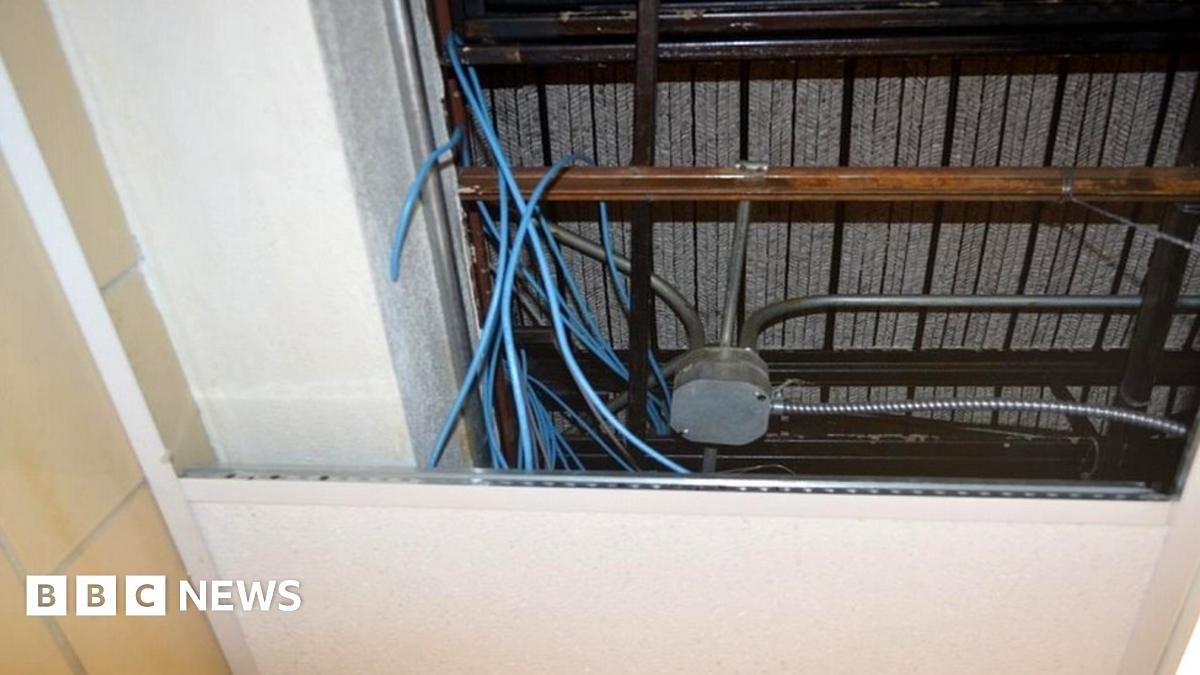
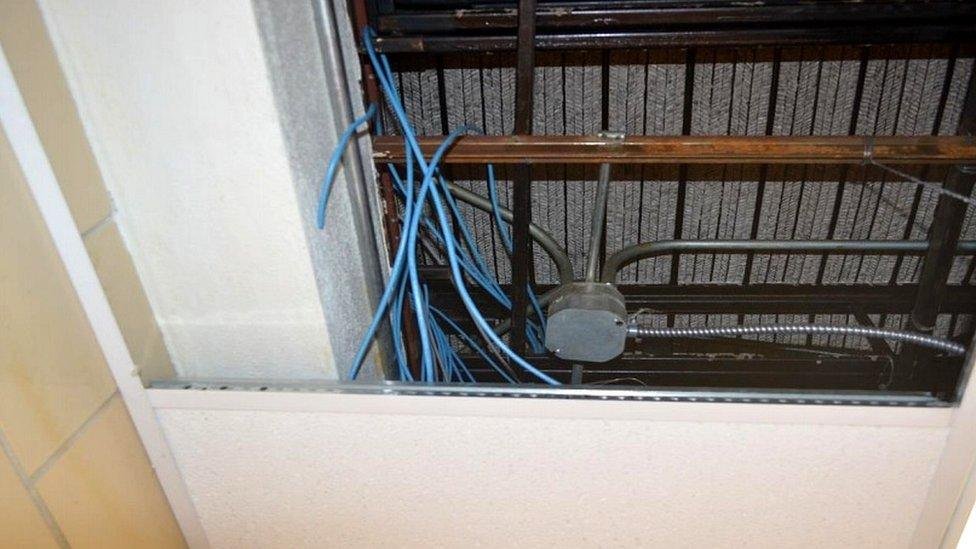
Following the digital trail, IT staff discovered a network cable leading up into the ceiling. When they removed the ceiling tiles, they found two computers mounted on plywood boards hidden above.
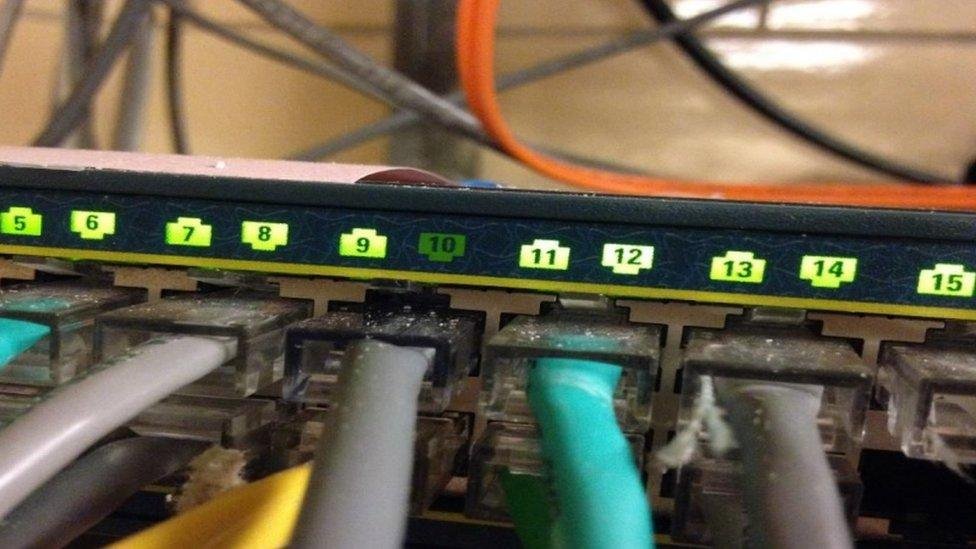
One of the inmates later admitted to investigators that he had used components from other PCs that were part of a computer waste recycling program. "And then... bam, I'm on the network," he told investigators about connecting his makeshift machine to an internet connection device in the prison.
The forensic analysis of the hard drives revealed a trove of concerning content. Investigators found records of passes being issued for inmates to access various parts of the prison, pornography, articles about making drugs and explosives, and even credit card information.
The case, which occurred in 2015, has only recently been made public. The report has been forwarded to the Ohio Ethics Commission and local officials for further action. The Ohio Department of Rehabilitation and Correction stated they would review the reports and take additional steps to prevent similar incidents.
"It is of critical importance that we provide necessary safeguards in regards to the use of technology while still providing opportunities for offenders to participate in meaningful and rehabilitative programming," the department said in a statement.
The incident raises serious questions about supervision in prison work programs and the security of electronic waste recycling initiatives. It also highlights the technical ingenuity that can emerge even in highly controlled environments when motivated individuals have access to components and basic networking knowledge.
Comments
Please log in or register to join the discussion