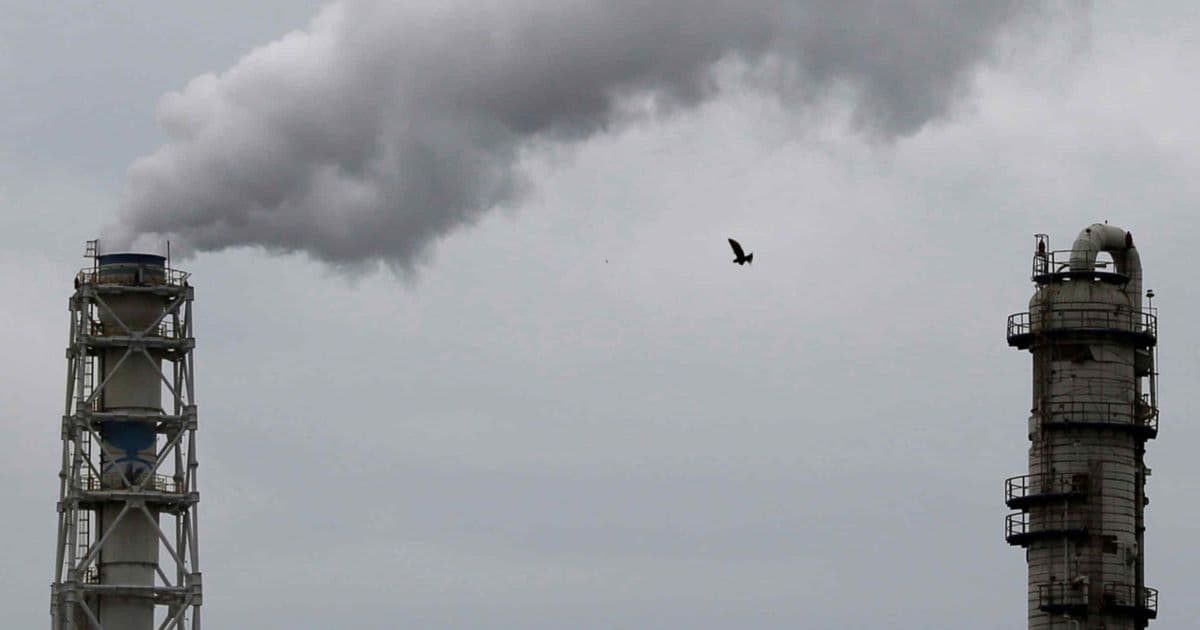
Taiwan has begun collecting carbon emissions levies from major industrial emitters, marking a significant step in the nation's climate policy. The payments will fund a government initiative aimed at reducing greenhouse gas emissions, aligning with Taiwan's commitment to achieve net-zero carbon emissions by 2050.
Taipei's implementation of a carbon emissions levy represents a pivotal moment in the island's environmental policy landscape. The government has begun charging major industrial facilities for their carbon emissions, with the first payment deadline set for this weekend. This initiative marks Taiwan's first systematic approach to carbon pricing, designed to generate substantial funding for decarbonization efforts.
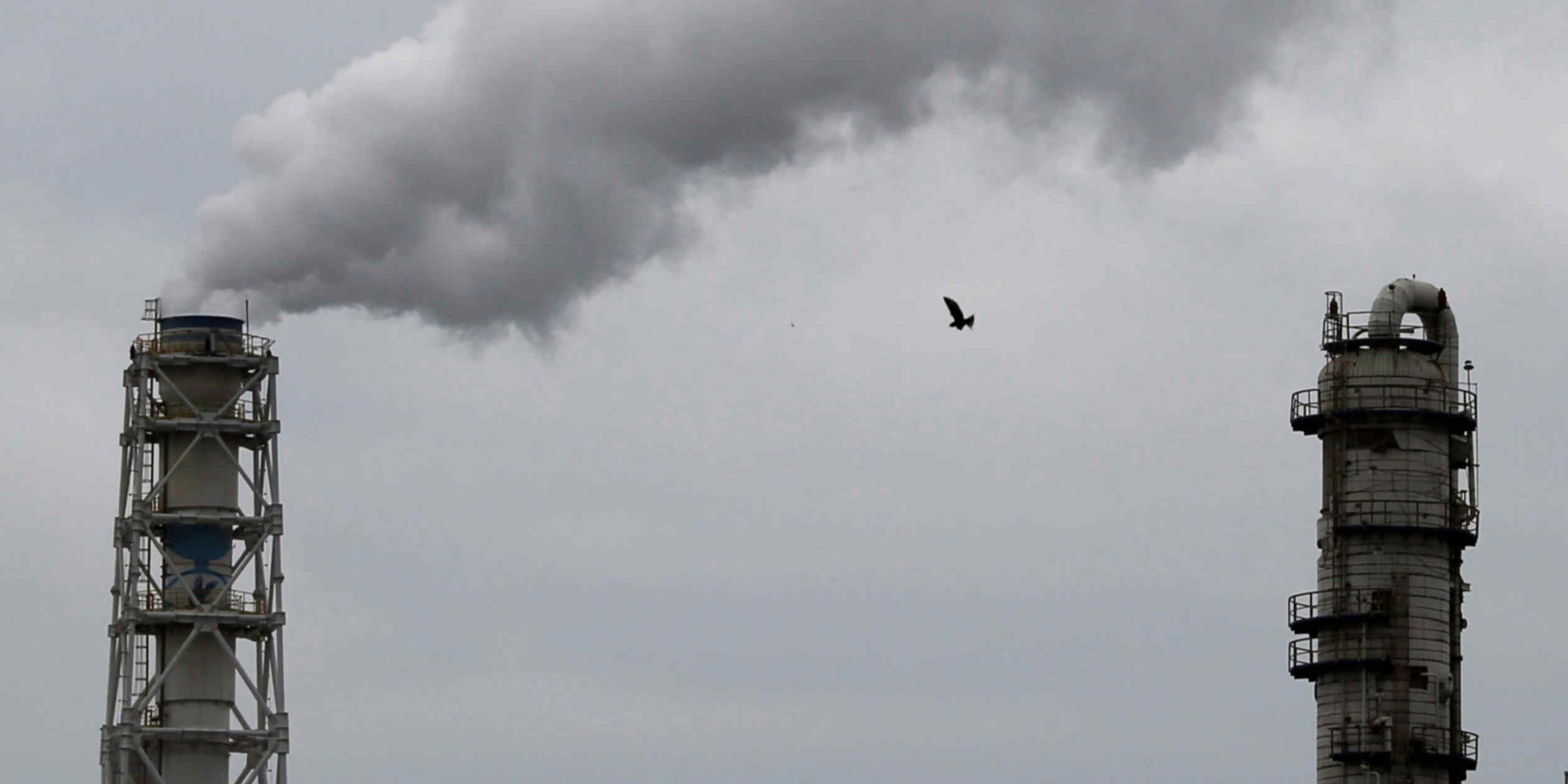
The carbon levy targets Taiwan's largest industrial emitters, including manufacturing plants, energy producers, and heavy industries. While specific company names haven't been disclosed, industry analysts estimate that hundreds of facilities will be subject to the new regulation. The payments, collectively valued in the millions of dollars, will establish a dedicated government fund focused on greenhouse gas reduction initiatives.
"Taiwan's carbon levy represents a significant policy shift from voluntary emissions targets to mandatory financial accountability," said Dr. Lin Wei, an environmental economist at National Taiwan University. "By directly linking industrial activity to financial consequences, the government is creating economic incentives for cleaner operations."
The carbon pricing mechanism follows a tiered approach, with higher rates applied to industries with greater emissions intensity. Preliminary data suggests that energy-intensive sectors like steel production, petrochemicals, and cement manufacturing will face the highest per-unit charges. This differential pricing structure aims to encourage technological innovation and process optimization across industries.
The collected funds will support multiple decarbonization initiatives, including renewable energy subsidies, carbon capture technology development, and industrial efficiency improvement programs. The government has indicated that at least 40% of the levy revenue will be allocated to supporting small and medium-sized enterprises in their transition to cleaner operations.
Taipei's carbon pricing strategy aligns with the nation's broader climate commitments. In 2021, Taiwan pledged to achieve net-zero carbon emissions by 2050, with intermediate targets of reducing emissions to 50% of 2005 levels by 2030. The carbon levy represents a concrete policy tool to help meet these ambitious targets.
The implementation comes amid growing concerns about Taiwan's environmental footprint. As a major manufacturing hub with significant energy consumption, Taiwan's industrial sector accounts for approximately 55% of the nation's total greenhouse gas emissions. The carbon levy addresses this critical challenge by creating direct economic incentives for emission reductions.
International comparisons reveal that Taiwan's carbon pricing model differs from several established systems. Unlike the European Union's Emissions Trading System, which operates on a cap-and-trade basis, Taiwan has opted for a direct levy approach. This model simplifies administrative requirements while providing more predictable revenue streams for government climate initiatives.
The policy faces several implementation challenges. Industry groups have expressed concerns about potential competitiveness impacts, particularly for export-oriented manufacturers. Additionally, questions remain about enforcement mechanisms and monitoring capabilities to ensure accurate reporting of emissions data.
"Effective implementation will depend on robust measurement, reporting, and verification systems," noted Chen Mei-ling, director of Taiwan's Environmental Protection Administration. "We're investing in advanced monitoring technologies and third-party verification processes to ensure the integrity of the carbon accounting system."
The timing of the carbon levy coincides with broader regional developments in climate policy. Japan has implemented similar carbon pricing mechanisms, while China continues to expand its national emissions trading system. These regional efforts create potential opportunities for cross-border cooperation on carbon reduction technologies and methodologies.
For Taiwan's industrial sector, the carbon levy represents both a challenge and an opportunity. Companies that proactively invest in cleaner technologies and operational efficiencies may gain competitive advantages as carbon pricing becomes more widespread. Early movers could benefit from government subsidies and incentives while avoiding future regulatory penalties.
The environmental implications of the carbon levy extend beyond Taiwan's borders. As a key supplier in global electronics and manufacturing supply chains, Taiwan's decarbonization efforts could influence carbon footprints throughout international production networks. This positions Taiwan as a potential leader in sustainable manufacturing practices within the Asia-Pacific region.
Looking ahead, the success of Taiwan's carbon levy will likely influence the development of additional environmental policies. Government officials have indicated that future initiatives may include expanded coverage of the carbon pricing system, potentially incorporating transportation and commercial buildings within the next five years.
As the first payment deadline approaches, Taiwan stands at the threshold of a new era in environmental governance. The carbon levy represents not merely a regulatory requirement but a fundamental reorientation of economic incentives toward sustainability. In the coming years, the effectiveness of this policy will become increasingly apparent as Taiwan navigates the complex transition toward a low-carbon economy.
Comments
Please log in or register to join the discussion