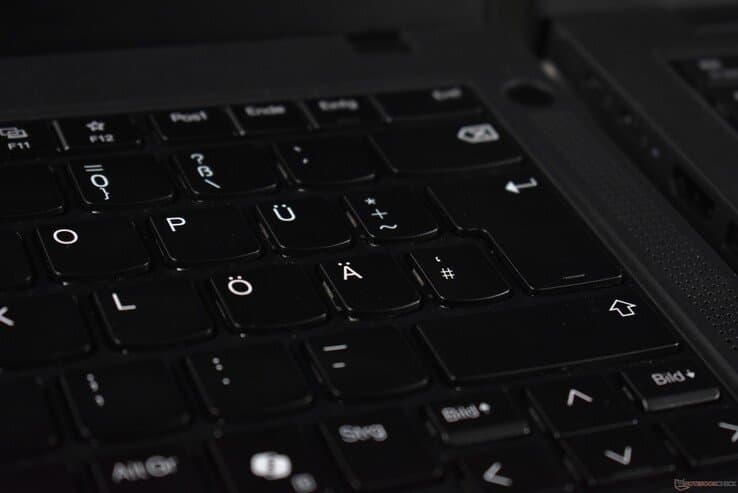
Lenovo addresses a persistent keyboard layout complaint affecting European ThinkPad users with the T14 Gen 7, restoring proper key sizes to frequently used characters.
ThinkPad keyboards have long been celebrated for their comfort, tactile feedback, and productivity-focused layout. However, since the Lenovo ThinkPad T14 Gen 3 launched in 2022, European users have voiced significant complaints about a design change that compromised the keyboard's functionality. With the new ThinkPad T14 Gen 7, Lenovo appears to have finally addressed this issue, bringing relief to those who have endured four years of suboptimal typing experience.
The problem originated when Lenovo decided to reduce the keyboard width on their 14-inch models from 28.5 cm to 27.5 cm. This one-centimeter reduction was achieved by shrinking keys at the right edge of the keyboard. While this change worked reasonably well for US-ANSI style layouts—where the Enter key is smaller and most keys maintained normal dimensions—the impact on European-ISO layouts was significant. For ISO users, the four keys to the left of the large Enter key were reduced from the standard 16 mm width to just 13 mm, creating a noticeable typing impediment.
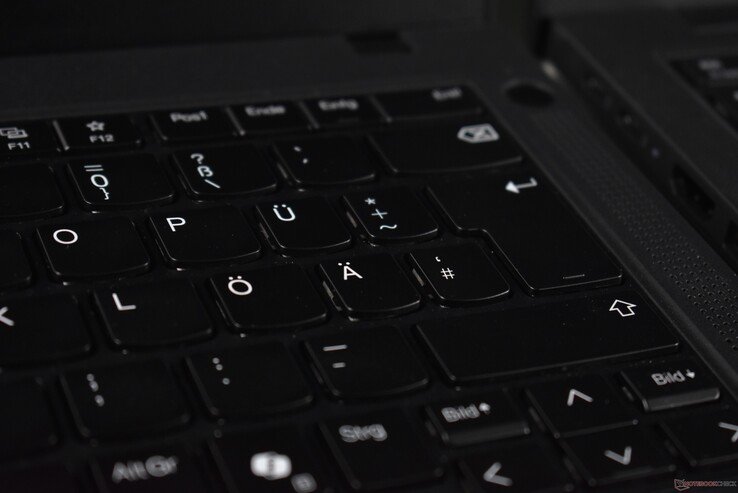
This reduction hit certain European countries particularly hard, where frequently used characters were affected. German users, for example, found their essential "Umlaut" keys—"Ü" and "Ä"—diminished in size, forcing them to adapt to a less comfortable typing experience. These characters are used frequently in German text, making their reduced size not just an aesthetic issue but a practical one that impacted typing speed and comfort.
After years of user feedback and complaints, Lenovo has implemented a solution in the ThinkPad T14 Gen 7. The new model features a modified European ISO layout where the Enter key has been redesigned to be less wide. This adjustment allows Lenovo to restore two of the formerly shrunken keys to their standard 16 mm width. In the German layout specifically, this means the "Ü" and "Ä" keys now have proper dimensions once again.
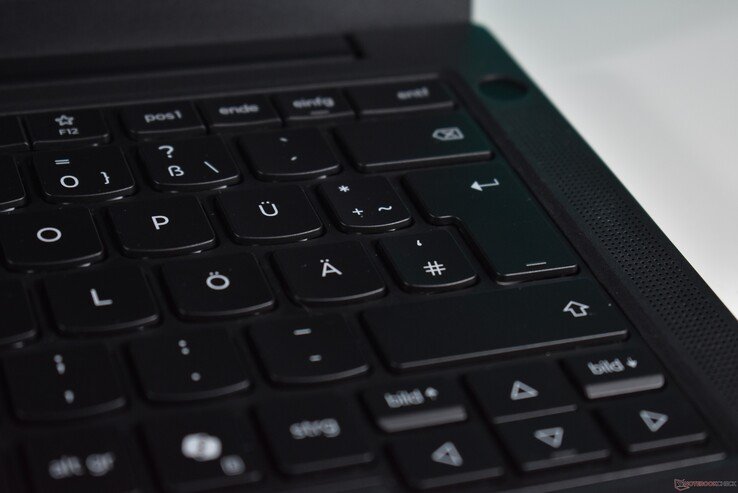
This change may seem minor on paper, but for users who type extensively in languages affected by the previous design, it represents a significant improvement in usability. The restoration of proper key sizes means better tactile feedback, reduced typing errors, and a return to the comfortable, efficient typing experience that ThinkPads were known for.
From a technical standpoint, the modification demonstrates Lenovo's attention to user feedback and their willingness to iterate on design decisions. While the company maintained the narrower overall keyboard profile that was introduced with the Gen 3, they found a way to preserve the key dimensions that matter most to European users.
{{IMAGE:1}}
The ThinkPad T14 Gen 7, which we recently reviewed, brings this keyboard fix alongside other improvements. For business users in Europe who rely on their ThinkPads for productivity, this change alone might justify an upgrade from earlier generations. The restoration of proper key sizes for frequently used characters reduces cognitive load during typing and helps maintain the typing speed that professionals depend on.
For potential buyers considering the T14 Gen 7, this keyboard fix represents a tangible improvement in user experience. While the laptop offers other enhancements in processing power, display quality, and build materials, the keyboard modification addresses a specific pain point that has affected European users for years. This attention to detail in maintaining the core productivity features that made ThinkPads famous shows Lenovo's understanding of what their business users value most.
The fix also highlights an important aspect of laptop design: seemingly small changes can have significant impacts on user experience. For Lenovo to revisit and modify a design element introduced just four years prior demonstrates a commitment to user satisfaction that goes beyond typical product refresh cycles.
Comments
Please log in or register to join the discussion